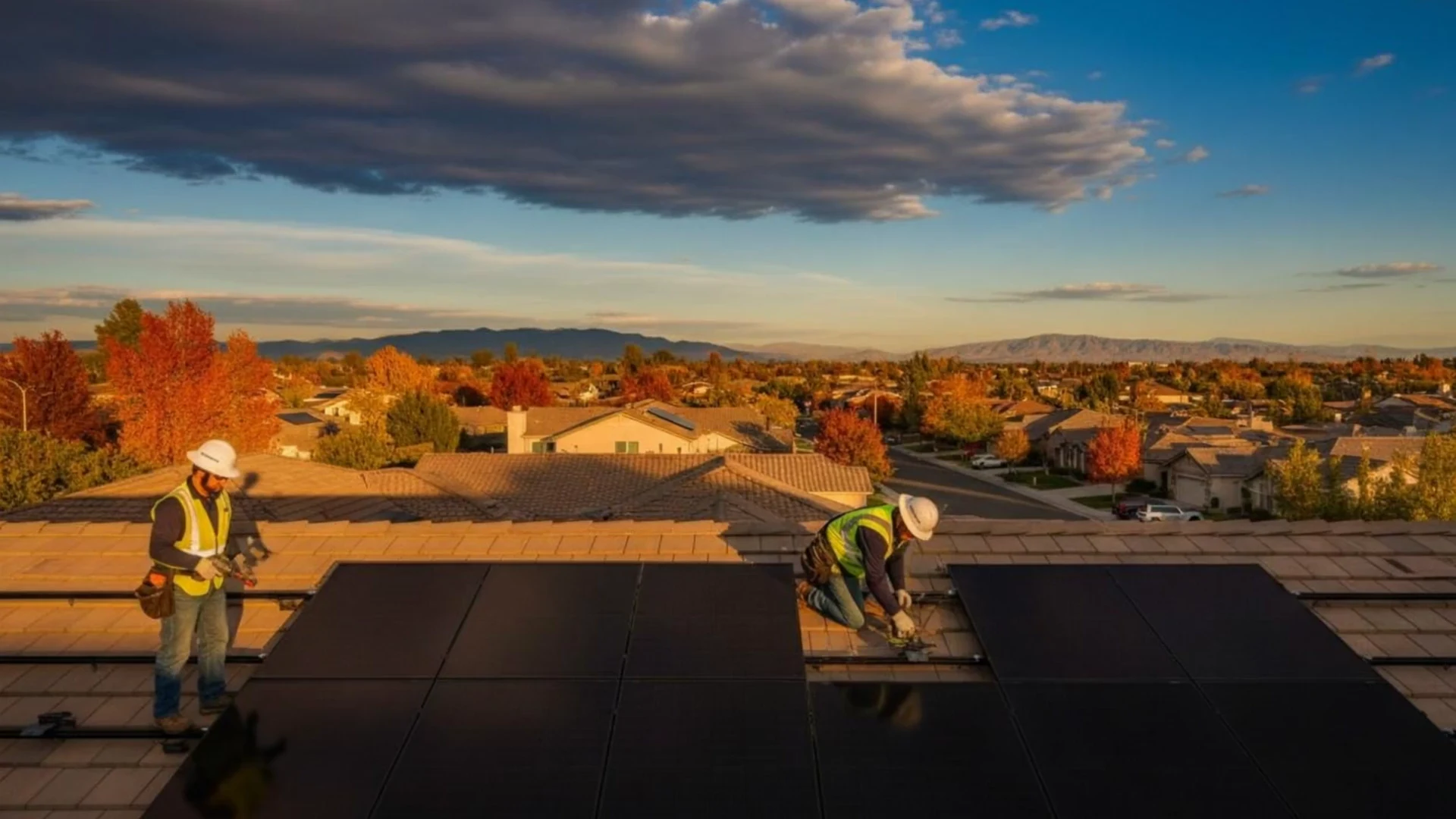
Solar Panel Removal & Reinstallation in Pinellas Park, FL
America’s #1 Choice for Energy Independence
We handle removal, storage, and reinstallation — coordinating with your roofer so your project runs smoothly from start to finish.
By submitting or calling, you consent to receive calls and SMS from The Light Group USA at the number provided, including via auto-dialer or pre-recorded messages. Consent is not required for purchase. Msg/data rates may apply. Reply STOP to opt out. See our Privacy Policy.

Protect your roof and your solar investment
Let professionals handle your solar panel removal the right way.
By submitting or calling, you consent to receive calls and SMS from The Light Group USA at the number provided, including via auto-dialer or pre-recorded messages. Consent is not required for purchase. Msg/data rates may apply. Reply STOP to opt out. See our Privacy Policy.
Panel removal and reinstall in Pinellas Park
Pinellas Park sits well under a kilometer from tidal water, and that proximity shows up in the hardware rather than in the panels. Salt-laden air attacks aluminum rails, lag hardware, grounding lugs and the inside of MC4 connector shells, corroding where the eye cannot follow. Modules can look immaculate from the ground while the mounting system beneath them is quietly failing. A roof replacement is the one moment all of it is exposed.
The trigger is the roof, as it almost always is. Around Park Boulevard and Freedom Lake Park, homeowners get a roofing estimate, read the exclusion for solar at the bottom, and then find that the company that installed the array is no longer reachable. What they need is not a repair and not a new system: they need the array taken down safely, stored properly, and remounted onto a new roof without wrecking anybody's warranty.
This is a dense county with tight lots, and where the panels go during the roofing job is a practical question, not an afterthought. Modules have to be racked upright on edge with separators, covered and off the ground, for however long the roof takes. Laid flat on glass or stacked bare in a driveway, they pick up cell cracks that produce no error code and no warranty claim, only a slow loss of output.
Electric service is Duke Energy Florida, an investor-owned utility that credits exported energy at retail rate, so the reconnection side is comparatively predictable. The permitting side depends on whether the address is inside Pinellas Park city limits or in unincorporated Pinellas County. Either way this is scheduled work, which is why it fits a planned route covered from Tampa with dates set around the roofer.
On a Pinellas Park removal we get these right
Common questions about solar service in Pinellas Park
It damages the mounting and electrical hardware first, not the panels. Salt air attacks aluminum rails, stainless fasteners, grounding lugs and the interior of MC4 connector housings, and it does so out of sight. Modules can look perfect while the system holding them up is corroding. Removal is the practical opportunity to inspect and replace.
Either on your property or at our storage, agreed before removal day, because lots here are often tight. Wherever they go, they are racked upright on edge with separators, covered and off the ground, with a documented count at teardown and remount. Flat stacking and glass-down storage are what cause invisible cell damage.
It depends on the parcel. Addresses inside Pinellas Park city limits permit through the city; addresses in unincorporated Pinellas County go to the county. Florida generally requires a permit and reinspection for solar removal and reinstallation even when the system design does not change, so we confirm jurisdiction before filing.
Duke Energy Florida credits exported energy at retail rate, and reinstalling an existing array does not change its size or technology. What has to happen is a correct reconnection with the permit and reinspection completed. We confirm the account details from your meter and bill before the remount so the system does not come online outside its agreement.
It makes documentation more important, not the job harder. When modules fill the usable roof plane there is little room to improvise on the remount, so every row is photographed and every string labeled before removal. New mounts still have to land on rafters, and if any position needs to shift, that is explained before it is done.
Other solar work we do here
Panel Removal & Reinstallation near Pinellas Park
Crews based in Orlando and Tampa, covering 217 cities statewide.
Tampa Bay
- Apollo Beach
- Auburndale
- Bartow
- Bayonet Point
- Bayshore Gardens
- Bloomingdale
- Bradenton
- Brandon
- Carrollwood
- Citrus Park
- Clearwater
- Davenport
- Dunedin
- East Lake
- East Lake-Orient Park
- Egypt Lake-Leto
- Elfers
- Englewood
- Fish Hawk
- Four Corners
- Fruitville
- Gibsonton
- Haines City
- Holiday
- Jasmine Estates
- Keystone
- Lake Magdalene
- Lake Wales
- Lakeland
- Lakewood Ranch
- Land O' Lakes
- Largo
- Lealman
- Lutz
- New Port Richey
- North Port
- Northdale
- Palm Harbor
- Palm River-Clair Mel
- Palmer Ranch
- Pinellas Park
- Plant City
- Poinciana
- Riverview
- Ruskin
- Safety Harbor
- Sarasota
- Seminole
- South Bradenton
- South Venice
- St. Petersburg
- Sun City Center
- Tampa
- Tarpon Springs
- Temple Terrace
- Thonotosassa
- Town 'n' Country
- Trinity
- University
- Valrico
- Venice
- Wesley Chapel
- Westchase
- Wimauma
- Winter Haven
- Zephyrhills
We also cover Florida Panhandle, North Florida, Northeast Florida, Central Florida, Space Coast, Southwest Florida, Treasure Coast, South Florida. See every Florida city we service.