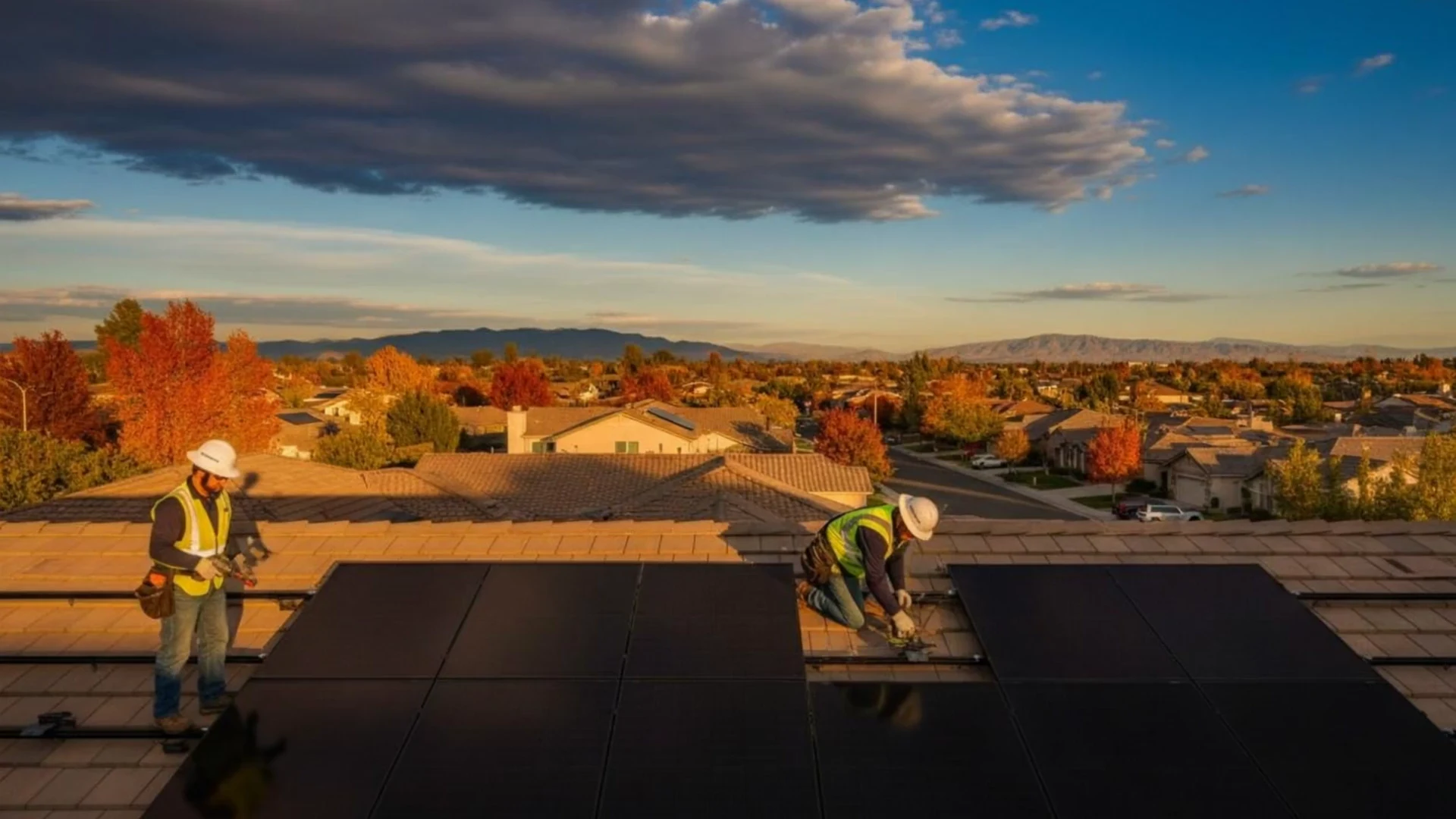
Solar Panel Removal & Reinstallation in South Venice, FL
America’s #1 Choice for Energy Independence
We handle removal, storage, and reinstallation — coordinating with your roofer so your project runs smoothly from start to finish.
By submitting or calling, you consent to receive calls and SMS from The Light Group USA at the number provided, including via auto-dialer or pre-recorded messages. Consent is not required for purchase. Msg/data rates may apply. Reply STOP to opt out. See our Privacy Policy.

Protect your roof and your solar investment
Let professionals handle your solar panel removal the right way.
By submitting or calling, you consent to receive calls and SMS from The Light Group USA at the number provided, including via auto-dialer or pre-recorded messages. Consent is not required for purchase. Msg/data rates may apply. Reply STOP to opt out. See our Privacy Policy.
Panel removal and reinstall in South Venice
South Venice runs down to the water along Shamrock Boulevard, out toward the beach ferry landing, and it has no city hall. It is an unincorporated Sarasota County community, so the permit for taking an array down and putting it back is a county matter from start to finish. That single fact sets the inspection sequence and the lead time for the whole job.
Much of the housing here is small, single-story and decades old, which usually means the roof has aged past the array bolted to it. A system installed on a covering that was already halfway through its service life reaches this moment eventually: the roof needs replacing, the panels are in the way, and the roofing company will not touch them under any circumstances.
This is a waterfront community, and salt does its damage in the joints. Rails, bolts, clamps, grounding lugs and connector housings corrode from the inside long before the glass shows anything at all. A reroof is the only time the entire mounting system is at arm's length, which makes it the right moment to replace what has quietly gone bad.
The other local reality is that many owners are not here year-round. That works in favor of scheduled work: a removal and reinstall can be planned for a window when the house is empty, with documentation and photographs standing in for someone watching from the driveway. It is planned work either way, covered from Orlando and Tampa on a date agreed in advance.
On a South Venice removal we get these right
Common questions about solar service in South Venice
Sarasota County does. South Venice is an unincorporated community with no municipal building department, so both the permit for a solar removal and reinstallation and the final inspection are handled at the county level. We confirm jurisdiction from the parcel address before scheduling, because it determines submittal requirements and how inspections are sequenced.
Yes, and it is often easier that way. The work is scheduled rather than dispatched, so it can be planned for a window when the house is empty. What replaces your presence is documentation: attachment photographs before and after, a written string map, dated updates, and a permit that closes out properly.
Yes, and it concentrates in the hardware rather than the panels. Salt works into rail splices, bolt threads, grounding lugs and connector housings, corroding inside the joint where an inspection from the ground sees nothing. With the array down for a roof, every attachment is reachable, which is the moment to replace what has degraded.
If the choice exists, yes. Florida's hurricane season runs from June 1 to November 30, and roofing calendars tighten as it approaches. Because a reroof is known weeks ahead, the removal and the reinstall can both be placed outside the busiest stretch, which also reduces the risk of an array sitting in storage during a storm.
Possibly, depending on what the reinstall involves. FPL credits exported energy at the retail rate, and the interconnection agreement covers the system in a defined configuration, so a removal and reinstallation can require notification and in some cases a reinspection before export resumes. That step is identified upfront, not discovered at reconnection.
Other solar work we do here
Panel Removal & Reinstallation near South Venice
Crews based in Orlando and Tampa, covering 217 cities statewide.
Tampa Bay
- Apollo Beach
- Auburndale
- Bartow
- Bayonet Point
- Bayshore Gardens
- Bloomingdale
- Bradenton
- Brandon
- Carrollwood
- Citrus Park
- Clearwater
- Davenport
- Dunedin
- East Lake
- East Lake-Orient Park
- Egypt Lake-Leto
- Elfers
- Englewood
- Fish Hawk
- Four Corners
- Fruitville
- Gibsonton
- Haines City
- Holiday
- Jasmine Estates
- Keystone
- Lake Magdalene
- Lake Wales
- Lakeland
- Lakewood Ranch
- Land O' Lakes
- Largo
- Lealman
- Lutz
- New Port Richey
- North Port
- Northdale
- Palm Harbor
- Palm River-Clair Mel
- Palmer Ranch
- Pinellas Park
- Plant City
- Poinciana
- Riverview
- Ruskin
- Safety Harbor
- Sarasota
- Seminole
- South Bradenton
- South Venice
- St. Petersburg
- Sun City Center
- Tampa
- Tarpon Springs
- Temple Terrace
- Thonotosassa
- Town 'n' Country
- Trinity
- University
- Valrico
- Venice
- Wesley Chapel
- Westchase
- Wimauma
- Winter Haven
- Zephyrhills
We also cover Florida Panhandle, North Florida, Northeast Florida, Central Florida, Space Coast, Southwest Florida, Treasure Coast, South Florida. See every Florida city we service.