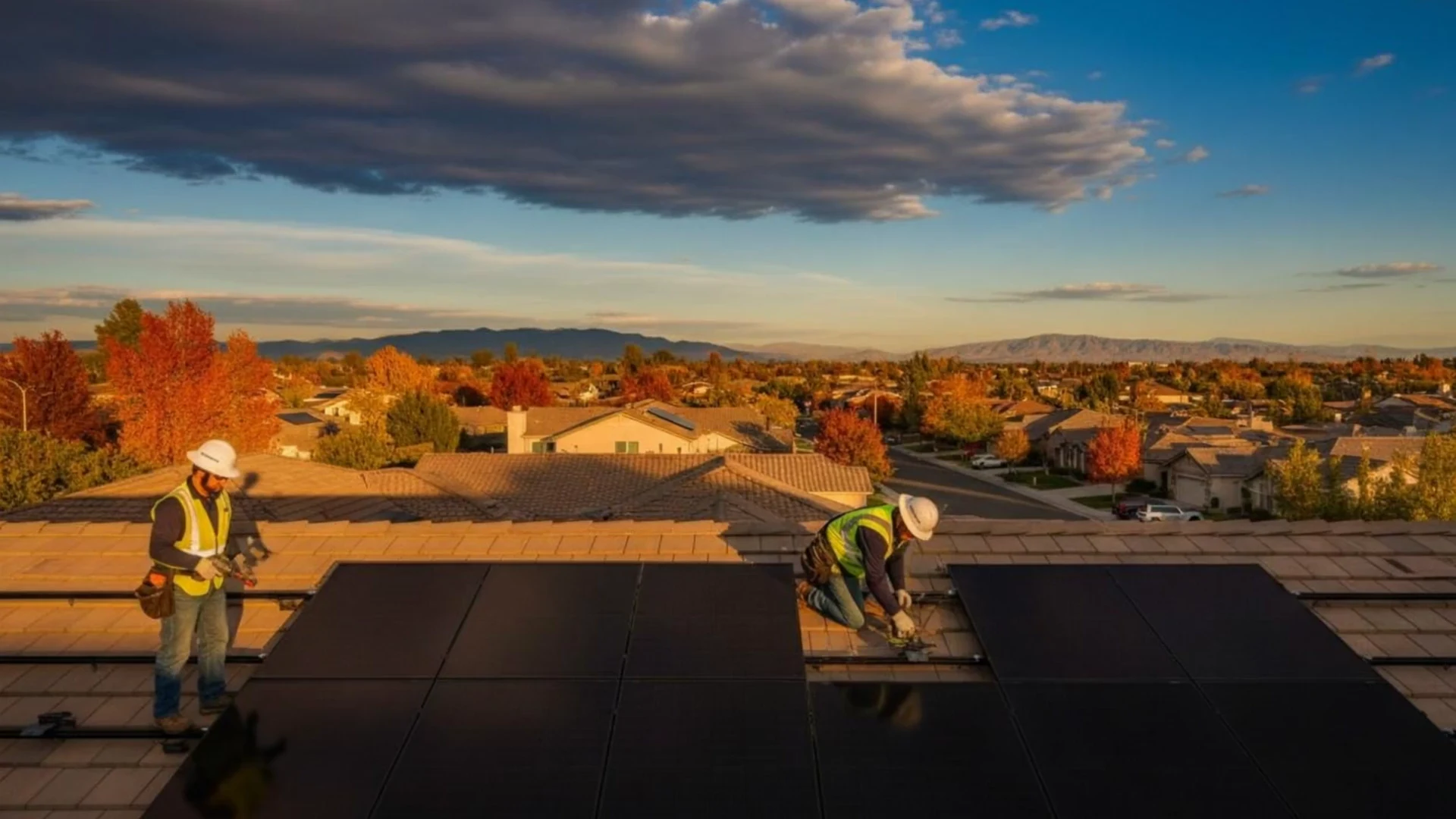
Solar Panel Removal & Reinstallation in Holiday, FL
America’s #1 Choice for Energy Independence
We handle removal, storage, and reinstallation — coordinating with your roofer so your project runs smoothly from start to finish.
By submitting or calling, you consent to receive calls and SMS from The Light Group USA at the number provided, including via auto-dialer or pre-recorded messages. Consent is not required for purchase. Msg/data rates may apply. Reply STOP to opt out. See our Privacy Policy.

Protect your roof and your solar investment
Let professionals handle your solar panel removal the right way.
By submitting or calling, you consent to receive calls and SMS from The Light Group USA at the number provided, including via auto-dialer or pre-recorded messages. Consent is not required for purchase. Msg/data rates may apply. Reply STOP to opt out. See our Privacy Policy.
Panel removal and reinstall in Holiday
Holiday is a Pasco County community of small single-story homes, and that shapes the job more than anything else. Roofs are modest, arrays sit close together, and there is not much clear space around the house for a crew to work or for panels to sit. When the roof comes due, the first practical question is not how to get the modules down but where they will live for the next few weeks.
The address is unincorporated Pasco County, so the permit and the reinspection come from the county rather than from a city hall. The power comes from Duke Energy Florida, which credits exported energy at the retail rate one for one and holds an interconnection record tied to your specific system. Both of those get handled before the array goes back onto a new roof.
Holiday sits right against the water out near the Anclote River, and tidal water carries salt the same way open coast does. It reaches rails, clamps, grounding lugs and MC4 connectors first, working inside housings where nothing is visible until a connection fails or a lug loses its bond. With the array down, that hardware is finally inspectable instead of theoretical.
Many of these systems went up years ago through companies that are no longer around, so there is often no paperwork, no monitoring login and no layout drawing. That is normal and it is workable. This is planned work with a real date, covered from Tampa on a schedule, which leaves time to rebuild the documentation instead of improvising on the roof.
On a Holiday removal we get these right
Common questions about solar service in Holiday
Somewhere flat, dry, off the ground and out of the work zone, agreed before removal day. A reroof takes days to weeks, so the array cannot lean against a fence or fill a garage that cars still use. On tight Holiday lots this is the detail that decides whether the modules survive the project undamaged.
In Florida this work generally requires a permit and a reinspection, and for Holiday that comes from Pasco County, since the community is unincorporated rather than inside a city. The authority follows the exact address, so it is verified against the parcel rather than assumed, before any date is set with the roofer.
Usually yes, since panels degrade slowly and most of the value is still there, but the answer comes from what is found with the array down. Corroded rails, degraded connectors, a failing inverter or damaged modules change the math, and it is better to know while everything is on the ground than after it is bolted back on.
Yes, at the record level. Duke Energy Florida credits exported power at the retail rate one for one, and your interconnection agreement describes a specific system. If anything about that system changes during the reinstall, it has to be updated before reconnection, which is a step that is easy to skip and awkward to fix later.
Often yes, and a removal is the right moment to try. With the inverter and modules accessible, serial numbers and model data can be recorded, the equipment can be re-registered where the manufacturer allows it, and the communications hardware can be checked. Systems installed by companies that closed are frequently recoverable this way.
Other solar work we do here
Panel Removal & Reinstallation near Holiday
Crews based in Orlando and Tampa, covering 217 cities statewide.
Tampa Bay
- Apollo Beach
- Auburndale
- Bartow
- Bayonet Point
- Bayshore Gardens
- Bloomingdale
- Bradenton
- Brandon
- Carrollwood
- Citrus Park
- Clearwater
- Davenport
- Dunedin
- East Lake
- East Lake-Orient Park
- Egypt Lake-Leto
- Elfers
- Englewood
- Fish Hawk
- Four Corners
- Fruitville
- Gibsonton
- Haines City
- Holiday
- Jasmine Estates
- Keystone
- Lake Magdalene
- Lake Wales
- Lakeland
- Lakewood Ranch
- Land O' Lakes
- Largo
- Lealman
- Lutz
- New Port Richey
- North Port
- Northdale
- Palm Harbor
- Palm River-Clair Mel
- Palmer Ranch
- Pinellas Park
- Plant City
- Poinciana
- Riverview
- Ruskin
- Safety Harbor
- Sarasota
- Seminole
- South Bradenton
- South Venice
- St. Petersburg
- Sun City Center
- Tampa
- Tarpon Springs
- Temple Terrace
- Thonotosassa
- Town 'n' Country
- Trinity
- University
- Valrico
- Venice
- Wesley Chapel
- Westchase
- Wimauma
- Winter Haven
- Zephyrhills
We also cover Florida Panhandle, North Florida, Northeast Florida, Central Florida, Space Coast, Southwest Florida, Treasure Coast, South Florida. See every Florida city we service.