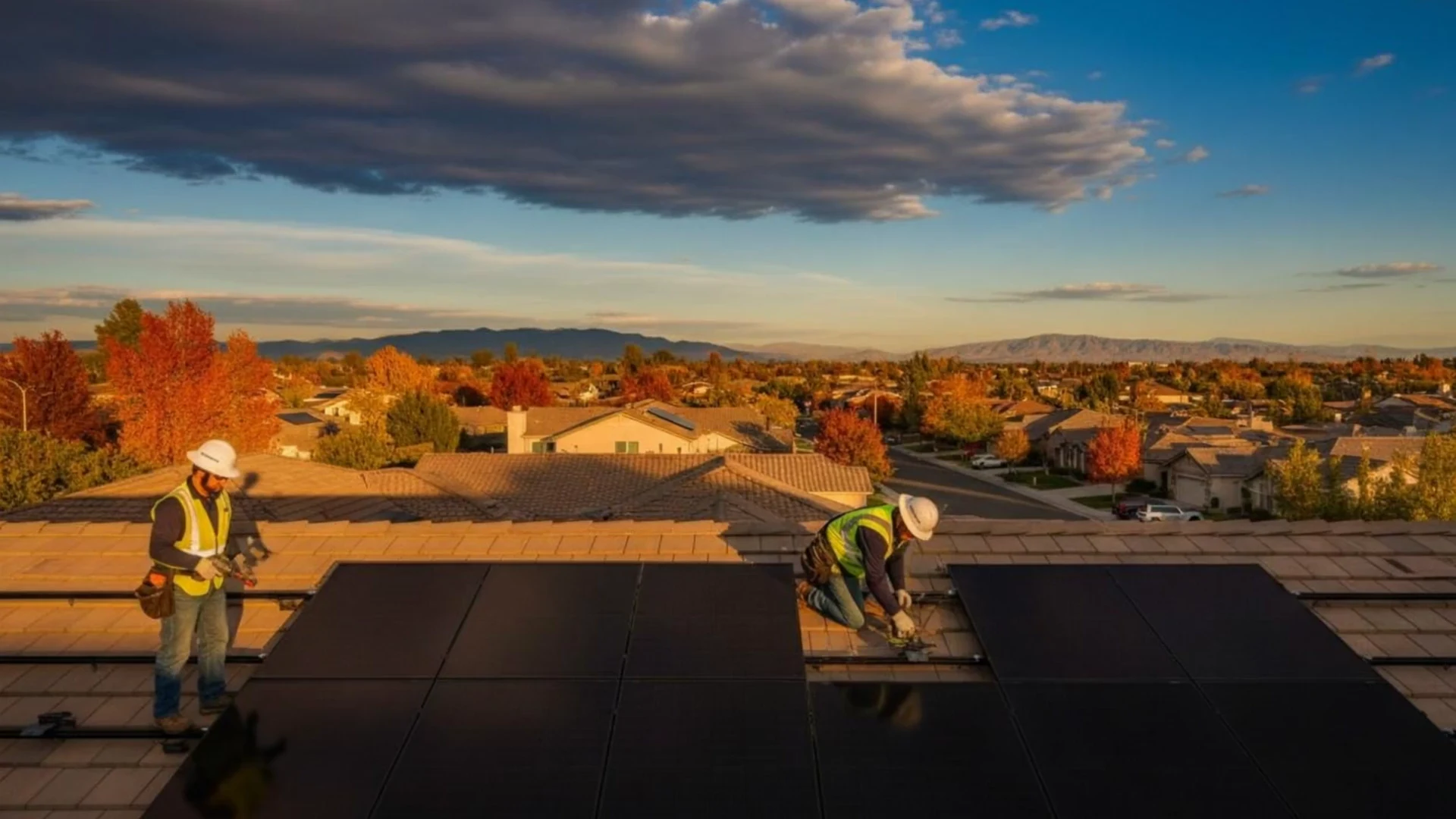
Solar Panel Removal & Reinstallation in Lakeland, FL
America’s #1 Choice for Energy Independence
We handle removal, storage, and reinstallation — coordinating with your roofer so your project runs smoothly from start to finish.
By submitting or calling, you consent to receive calls and SMS from The Light Group USA at the number provided, including via auto-dialer or pre-recorded messages. Consent is not required for purchase. Msg/data rates may apply. Reply STOP to opt out. See our Privacy Policy.

Protect your roof and your solar investment
Let professionals handle your solar panel removal the right way.
By submitting or calling, you consent to receive calls and SMS from The Light Group USA at the number provided, including via auto-dialer or pre-recorded messages. Consent is not required for purchase. Msg/data rates may apply. Reply STOP to opt out. See our Privacy Policy.
Panel removal and reinstall in Lakeland
Lakeland runs on a municipal utility, and that changes the shape of this job. Lakeland Electric is owned by the city, and municipals set their own interconnection requirements and their own rules for crediting what a rooftop array exports. That is not the same framework the investor-owned utilities operate under. When a system comes down for a roof and goes back up, the process runs through Lakeland Electric and the timeline is theirs to set.
Which is why the paperwork order matters as much as the wrenches. Before a single clamp comes off, the existing interconnection record, the inverter model and the as-built layout are worth having in hand. If the array goes back matching what is on file, reconnection is largely administrative. If the layout has to change because the new roof planes changed, that is a conversation to open before the roofer starts, not after.
The city sits between Lake Mirror and Lake Hollingsworth, in the part of Florida that takes more lightning than anywhere else in the country. Surge damage tends to show up at the inverter and on the communications side before it touches a module, which is why a system already in pieces is worth checking rather than just re-bolting. This is freshwater country, not salt, so the failure modes are different from a coastal roof.
Roof first, then everything else in order. Panels come off in labeled rows, get stored flat with separators and never on their glass, and the roofer works a completely clear deck. Reinstallation means new penetrations into rafters, flashing tucked under the course above, and clamps torqued to the module maker's specification. We schedule Lakeland from Orlando and Tampa, on a planned window that both crews can actually build around.
On a Lakeland removal we get these right
Common questions about solar service in Lakeland
It can. Lakeland Electric is a city-owned municipal utility, and municipals set their own interconnection requirements and their own rules for crediting exported energy rather than following the investor-owned utilities. That affects what is required to bring a system back online after a roof replacement, so their process is confirmed before the array is removed.
The system is on record with them, so the sensible order is to confirm their requirements before removal rather than afterward. If the array goes back identical, the process is usually straightforward. If the roof forces a change to the layout, module count or inverter, the utility should have that in writing before reconnection.
Physically it is the easiest time, since access is already paid for and the deck is bare. Administratively it is a different project: more modules can change the string design, the inverter capacity and the interconnection on file with Lakeland Electric. If it is even a possibility, raise it before the removal rather than during it.
Not automatically. Inverters have a shorter service life than modules, so if one is already near the end of its warranty and the system is apart anyway, replacing it then avoids a second mobilization later. If it is healthy and reporting normally, there is no reason to touch it. The decision belongs to the homeowner with the data in front of them.
That depends on who made the hole. The roofer warrants the surface they installed. The company that drills new penetrations through it owns those penetrations, the flashing at each one and the reconnection. Because three warranties are in play, panel, inverter and roof, the split is worth having in writing before either crew starts.
Other solar work we do here
Panel Removal & Reinstallation near Lakeland
Crews based in Orlando and Tampa, covering 217 cities statewide.
Tampa Bay
- Apollo Beach
- Auburndale
- Bartow
- Bayonet Point
- Bayshore Gardens
- Bloomingdale
- Bradenton
- Brandon
- Carrollwood
- Citrus Park
- Clearwater
- Davenport
- Dunedin
- East Lake
- East Lake-Orient Park
- Egypt Lake-Leto
- Elfers
- Englewood
- Fish Hawk
- Four Corners
- Fruitville
- Gibsonton
- Haines City
- Holiday
- Jasmine Estates
- Keystone
- Lake Magdalene
- Lake Wales
- Lakeland
- Lakewood Ranch
- Land O' Lakes
- Largo
- Lealman
- Lutz
- New Port Richey
- North Port
- Northdale
- Palm Harbor
- Palm River-Clair Mel
- Palmer Ranch
- Pinellas Park
- Plant City
- Poinciana
- Riverview
- Ruskin
- Safety Harbor
- Sarasota
- Seminole
- South Bradenton
- South Venice
- St. Petersburg
- Sun City Center
- Tampa
- Tarpon Springs
- Temple Terrace
- Thonotosassa
- Town 'n' Country
- Trinity
- University
- Valrico
- Venice
- Wesley Chapel
- Westchase
- Wimauma
- Winter Haven
- Zephyrhills
We also cover Florida Panhandle, North Florida, Northeast Florida, Central Florida, Space Coast, Southwest Florida, Treasure Coast, South Florida. See every Florida city we service.