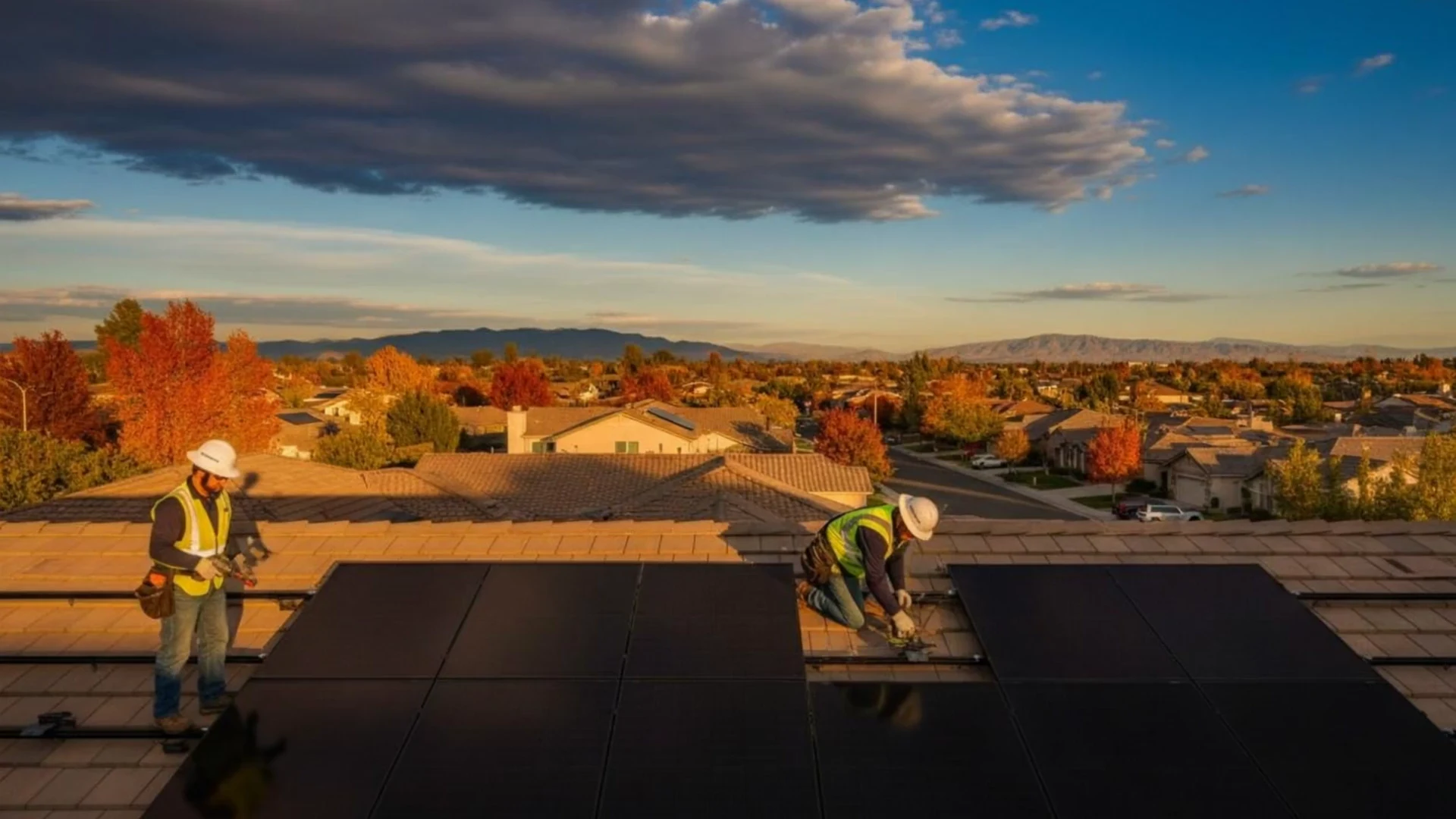
Solar Panel Removal & Reinstallation in Brandon, FL
America’s #1 Choice for Energy Independence
We handle removal, storage, and reinstallation — coordinating with your roofer so your project runs smoothly from start to finish.
By submitting or calling, you consent to receive calls and SMS from The Light Group USA at the number provided, including via auto-dialer or pre-recorded messages. Consent is not required for purchase. Msg/data rates may apply. Reply STOP to opt out. See our Privacy Policy.

Protect your roof and your solar investment
Let professionals handle your solar panel removal the right way.
By submitting or calling, you consent to receive calls and SMS from The Light Group USA at the number provided, including via auto-dialer or pre-recorded messages. Consent is not required for purchase. Msg/data rates may apply. Reply STOP to opt out. See our Privacy Policy.
Panel removal and reinstall in Brandon
Much of Brandon went up in waves of subdivisions between the 1980s and the early 2000s, and the shingle roofs on those houses are now at the age where insurers start asking questions. When the roof gets replaced, an existing solar array has to come off first. Homeowners in the neighborhoods around Westfield Brandon on State Road 60 usually learn that the same week their roofing contractor tells them he does not touch panels.
That leaves a gap between two trades. The roofer wants a clear deck by Monday; the company that sold the system may have closed, merged, or left Florida. Removal and reinstallation is its own scope of work, with its own electrical shutdown, its own permit and its own inspection. It is planned weeks ahead rather than called in, which is exactly why Brandon can be covered from Tampa on a scheduled window.
Brandon sits in Tampa Electric territory, and TECO credits exported energy at the retail rate under the interconnection agreement tied to your system as it was approved. When an array comes down and goes back up, it should return in the same configuration and the same module count unless you talk to the utility first. Adding panels while the roof is bare sounds convenient, but it is a filing, not a favor.
The other Brandon detail is where the modules live while the roof is rebuilt. That can be days or weeks, and a stack of panels leaning against a garage wall through a Tampa Bay lightning season is how good glass turns into cracked glass. Racked, spaced, off the face, connectors capped and under cover: the storage plan belongs in the written scope, not in a conversation on removal morning.
On a Brandon removal we get these right
Common questions about solar service in Brandon
In most cases yes. The work touches the electrical system and creates new roof attachments, so Florida jurisdictions permit and inspect it. Brandon addresses are unincorporated, which means Hillsborough County issues that permit. The paperwork also protects you later: a documented, inspected reinstallation is what an insurer or a buyer's inspector will want to see.
Most will not, and the ones who agree tend to treat the array as debris to move aside. The job involves de-energizing DC circuits, unplugging connectors under load rules, and carrying laminates that crack invisibly. Ask your roofer early and directly. If the answer is no, removal has to be scheduled around the roofing dates.
It follows the roofing schedule, not ours. A straightforward tear-off and shingle replacement is usually days. A re-deck, a tile job, or an insurance claim waiting on material can run weeks. The panels stay racked and covered until the new roof is finished and inspected, then reinstallation happens as one return visit.
Not if the system returns as approved. Tampa Electric credits exported power at the retail rate under the agreement tied to your existing array, so the same module count and the same inverter keep that agreement intact. If you want to expand while the roof is open, that is a change to file with TECO before the work, not after.
That question gets answered in writing before anyone climbs a ladder. The roof warranty belongs to the roofer, the panel and inverter warranties belong to their manufacturers, and the attachment points belong to whoever drilled them. When one company roofs and another reinstalls, the boundary should appear in both scopes of work.
Other solar work we do here
Panel Removal & Reinstallation near Brandon
Crews based in Orlando and Tampa, covering 217 cities statewide.
Tampa Bay
- Apollo Beach
- Auburndale
- Bartow
- Bayonet Point
- Bayshore Gardens
- Bloomingdale
- Bradenton
- Brandon
- Carrollwood
- Citrus Park
- Clearwater
- Davenport
- Dunedin
- East Lake
- East Lake-Orient Park
- Egypt Lake-Leto
- Elfers
- Englewood
- Fish Hawk
- Four Corners
- Fruitville
- Gibsonton
- Haines City
- Holiday
- Jasmine Estates
- Keystone
- Lake Magdalene
- Lake Wales
- Lakeland
- Lakewood Ranch
- Land O' Lakes
- Largo
- Lealman
- Lutz
- New Port Richey
- North Port
- Northdale
- Palm Harbor
- Palm River-Clair Mel
- Palmer Ranch
- Pinellas Park
- Plant City
- Poinciana
- Riverview
- Ruskin
- Safety Harbor
- Sarasota
- Seminole
- South Bradenton
- South Venice
- St. Petersburg
- Sun City Center
- Tampa
- Tarpon Springs
- Temple Terrace
- Thonotosassa
- Town 'n' Country
- Trinity
- University
- Valrico
- Venice
- Wesley Chapel
- Westchase
- Wimauma
- Winter Haven
- Zephyrhills
We also cover Florida Panhandle, North Florida, Northeast Florida, Central Florida, Space Coast, Southwest Florida, Treasure Coast, South Florida. See every Florida city we service.