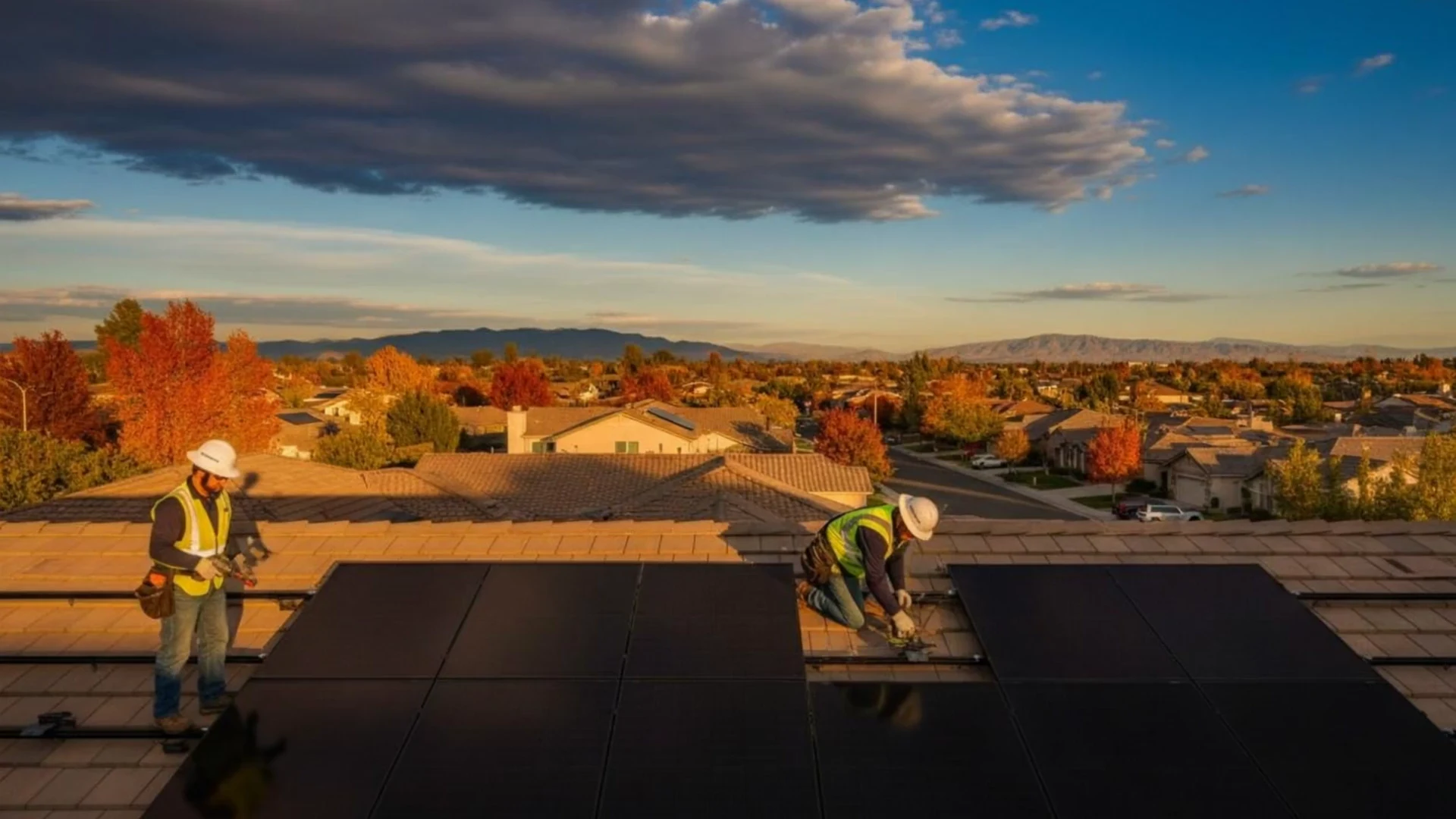
Solar Panel Removal & Reinstallation in Trinity, FL
America’s #1 Choice for Energy Independence
We handle removal, storage, and reinstallation — coordinating with your roofer so your project runs smoothly from start to finish.
By submitting or calling, you consent to receive calls and SMS from The Light Group USA at the number provided, including via auto-dialer or pre-recorded messages. Consent is not required for purchase. Msg/data rates may apply. Reply STOP to opt out. See our Privacy Policy.

Protect your roof and your solar investment
Let professionals handle your solar panel removal the right way.
By submitting or calling, you consent to receive calls and SMS from The Light Group USA at the number provided, including via auto-dialer or pre-recorded messages. Consent is not required for purchase. Msg/data rates may apply. Reply STOP to opt out. See our Privacy Policy.
Panel removal and reinstall in Trinity
Trinity was built as a set of master-planned neighborhoods, and its roofs went on all at once. Tile and architectural shingle laid within a few years of each other are reaching replacement age together, so the array question is arriving on a lot of streets at the same time. The panels have to come off before a tear-off, and the roofer does not do that part of the work.
Much of the housing here carries concrete tile, which changes the job entirely. Tile cracks under a knee and under leverage, the mounts beneath it are a different system from shingle hooks, and replacement tiles have to be sourced before anyone climbs up. The sequence between roofer and solar crew is planned on paper, not agreed on the morning of the tear-off.
Duke Energy Florida serves Trinity and credits exported energy at the retail rate, so reconnection follows investor-owned procedure once the inspection closes. The address is unincorporated, which puts the permit and the reinspection with Pasco County rather than with a city. Both facts are settled before a date is given, because the inspection is what allows the system to produce again.
The Gulf is under a mile west. That is close enough for salt to reach grounding lugs, stainless hardware and the crimp inside an MC4 connector, and it corrodes inside the housing where nothing shows from the driveway. The glass outlives the hardware holding it. It is planned work, scheduled from Orlando or Tampa around the tear-off date rather than called in.
On a Trinity removal we get these right
Common questions about solar service in Trinity
Considerably. Tile has to be lifted rather than walked on, breakage is expected and replacements need to be on hand, and the mounting system underneath is not the same as on shingle. The removal is sequenced with the roofing contractor so the tile work and the solar work do not collide on the same day.
Pasco County, because Trinity is unincorporated. Removal and reinstallation are normally permitted work closed by a reinspection, and Duke Energy Florida waits on that inspection before the system is allowed to export again. We confirm the jurisdiction by address rather than by mailing city, which is not the same thing.
That is a fair question and the array on the ground is the place to answer it. Glass, backsheets, junction boxes, clamps and connectors are all inspectable at that point. Reinstalling a module close to failure means paying for roof access twice, so the condition is reported before anything goes back up.
Under a mile is not far for salt. It reaches grounding lugs, stainless hardware, rail channels and MC4 crimps and corrodes inside connectors and housings where nothing is visible. The modules themselves usually look fine. It is the metal and the contacts that decide how long the system stays reliable.
It should, and it is part of the scope rather than an afterthought. Inverter credentials, gateway connection and portal access are verified at reinstallation, and where the original installer held the account, monitoring is re-registered in your name. A system that comes back online invisibly is one nobody notices failing.
Other solar work we do here
Panel Removal & Reinstallation near Trinity
Crews based in Orlando and Tampa, covering 217 cities statewide.
Tampa Bay
- Apollo Beach
- Auburndale
- Bartow
- Bayonet Point
- Bayshore Gardens
- Bloomingdale
- Bradenton
- Brandon
- Carrollwood
- Citrus Park
- Clearwater
- Davenport
- Dunedin
- East Lake
- East Lake-Orient Park
- Egypt Lake-Leto
- Elfers
- Englewood
- Fish Hawk
- Four Corners
- Fruitville
- Gibsonton
- Haines City
- Holiday
- Jasmine Estates
- Keystone
- Lake Magdalene
- Lake Wales
- Lakeland
- Lakewood Ranch
- Land O' Lakes
- Largo
- Lealman
- Lutz
- New Port Richey
- North Port
- Northdale
- Palm Harbor
- Palm River-Clair Mel
- Palmer Ranch
- Pinellas Park
- Plant City
- Poinciana
- Riverview
- Ruskin
- Safety Harbor
- Sarasota
- Seminole
- South Bradenton
- South Venice
- St. Petersburg
- Sun City Center
- Tampa
- Tarpon Springs
- Temple Terrace
- Thonotosassa
- Town 'n' Country
- Trinity
- University
- Valrico
- Venice
- Wesley Chapel
- Westchase
- Wimauma
- Winter Haven
- Zephyrhills
We also cover Florida Panhandle, North Florida, Northeast Florida, Central Florida, Space Coast, Southwest Florida, Treasure Coast, South Florida. See every Florida city we service.