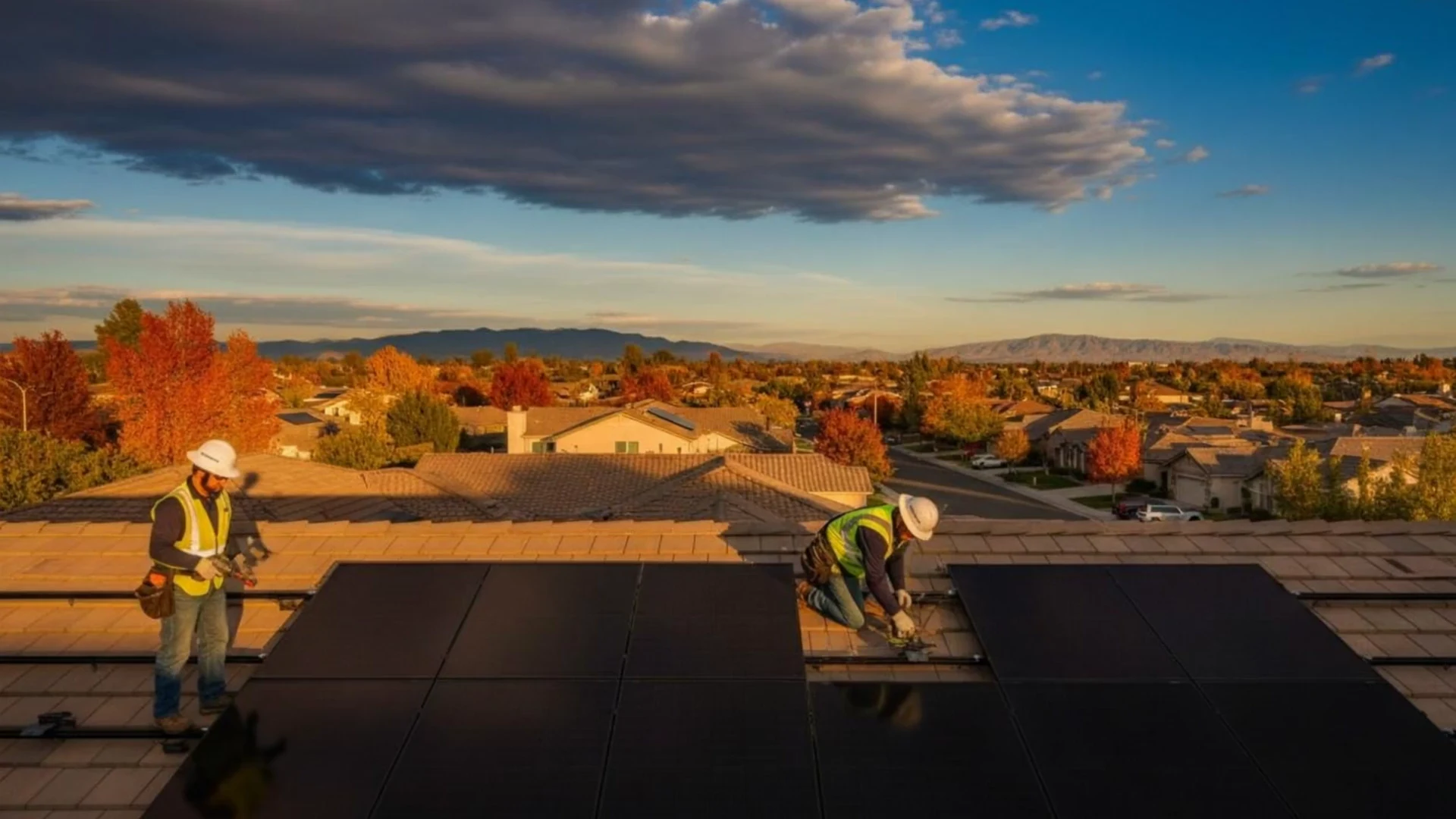
Solar Panel Removal & Reinstallation in Citrus Park, FL
America’s #1 Choice for Energy Independence
We handle removal, storage, and reinstallation — coordinating with your roofer so your project runs smoothly from start to finish.
By submitting or calling, you consent to receive calls and SMS from The Light Group USA at the number provided, including via auto-dialer or pre-recorded messages. Consent is not required for purchase. Msg/data rates may apply. Reply STOP to opt out. See our Privacy Policy.

Protect your roof and your solar investment
Let professionals handle your solar panel removal the right way.
By submitting or calling, you consent to receive calls and SMS from The Light Group USA at the number provided, including via auto-dialer or pre-recorded messages. Consent is not required for purchase. Msg/data rates may apply. Reply STOP to opt out. See our Privacy Policy.
Panel removal and reinstall in Citrus Park
Citrus Park is a Hillsborough County community rather than a city of its own, spread through subdivisions off Gunn Highway around the Town Center mall and the Veterans Expressway ramps. Roughly 28,804 people live across 33625 and 33556, most of them in single-family homes under straightforward shingle. When one of those roofs finally reaches replacement age with an array bolted to it, the solar turns into a scheduling problem before it turns into anything else.
The order of operations usually surfaces late. A roofing contractor sets a tear-off date, then mentions that his crew will not touch the modules, the racking or the conduit. The company that installed the array is often unreachable by then. Two trades now have to share one roof in a fixed sequence, and someone has to be clearly responsible for the racking, the wiring and the flashing when everything goes back down.
Because Citrus Park is unincorporated, the permit for removal and reinstallation comes from Hillsborough County rather than from a city hall, and the reinspection closes at the same office. That matters more for timing than for cost: the county review window sits inside the roofing schedule, not beside it. Confirming the jurisdiction by street address before any date is promised keeps the array off the roof for days instead of weeks.
Tampa Electric serves this address and credits exported power at the retail rate, so nothing about the billing arrangement changes because panels came down and went back up. What changes is production, since the system makes none of it while stored. Removal and reinstallation are planned work rather than emergencies, which is why covering Citrus Park from Tampa on a booked window fits this kind of job without drama.
On a Citrus Park removal we get these right
Common questions about solar service in Citrus Park
Almost always, and here it comes from Hillsborough County because Citrus Park is unincorporated. Removal and reinstallation are treated as electrical and structural work that ends in a reinspection. Confirm the jurisdiction by street address before scheduling, since parcels nearby can fall under a different office than a mailing address implies.
Yes, and it is the usual reason these calls happen. Most roofing contractors exclude solar because the work involves live DC circuits, module handling and an electrical inspection they are not licensed to close. The array comes off as a separate job before the tear-off and goes back once the new roof passes.
The interconnection agreement stays attached to the address, and TECO credits exported power at the retail rate before and after the work. Nothing about the account changes because the array was removed and reinstalled. What is worth recording is the dates the system was offline, so a low production month has an explanation.
The module warranty, the inverter warranty and the new roof warranty are three separate documents backed by three separate companies. A removal does not automatically void any of them. Rough handling, mixed connector brands or an unsealed penetration can each give one of them a reason to decline, so keep the photos and the as-built.
Yes. Orphaned systems are common in Florida and the work does not depend on the original installer. What gets rebuilt alongside the array is the documentation: module and inverter models, string layout, breaker sizes and monitoring credentials, all recorded while the equipment is accessible on the ground rather than back on a roof.
Other solar work we do here
Panel Removal & Reinstallation near Citrus Park
Crews based in Orlando and Tampa, covering 217 cities statewide.
Tampa Bay
- Apollo Beach
- Auburndale
- Bartow
- Bayonet Point
- Bayshore Gardens
- Bloomingdale
- Bradenton
- Brandon
- Carrollwood
- Citrus Park
- Clearwater
- Davenport
- Dunedin
- East Lake
- East Lake-Orient Park
- Egypt Lake-Leto
- Elfers
- Englewood
- Fish Hawk
- Four Corners
- Fruitville
- Gibsonton
- Haines City
- Holiday
- Jasmine Estates
- Keystone
- Lake Magdalene
- Lake Wales
- Lakeland
- Lakewood Ranch
- Land O' Lakes
- Largo
- Lealman
- Lutz
- New Port Richey
- North Port
- Northdale
- Palm Harbor
- Palm River-Clair Mel
- Palmer Ranch
- Pinellas Park
- Plant City
- Poinciana
- Riverview
- Ruskin
- Safety Harbor
- Sarasota
- Seminole
- South Bradenton
- South Venice
- St. Petersburg
- Sun City Center
- Tampa
- Tarpon Springs
- Temple Terrace
- Thonotosassa
- Town 'n' Country
- Trinity
- University
- Valrico
- Venice
- Wesley Chapel
- Westchase
- Wimauma
- Winter Haven
- Zephyrhills
We also cover Florida Panhandle, North Florida, Northeast Florida, Central Florida, Space Coast, Southwest Florida, Treasure Coast, South Florida. See every Florida city we service.