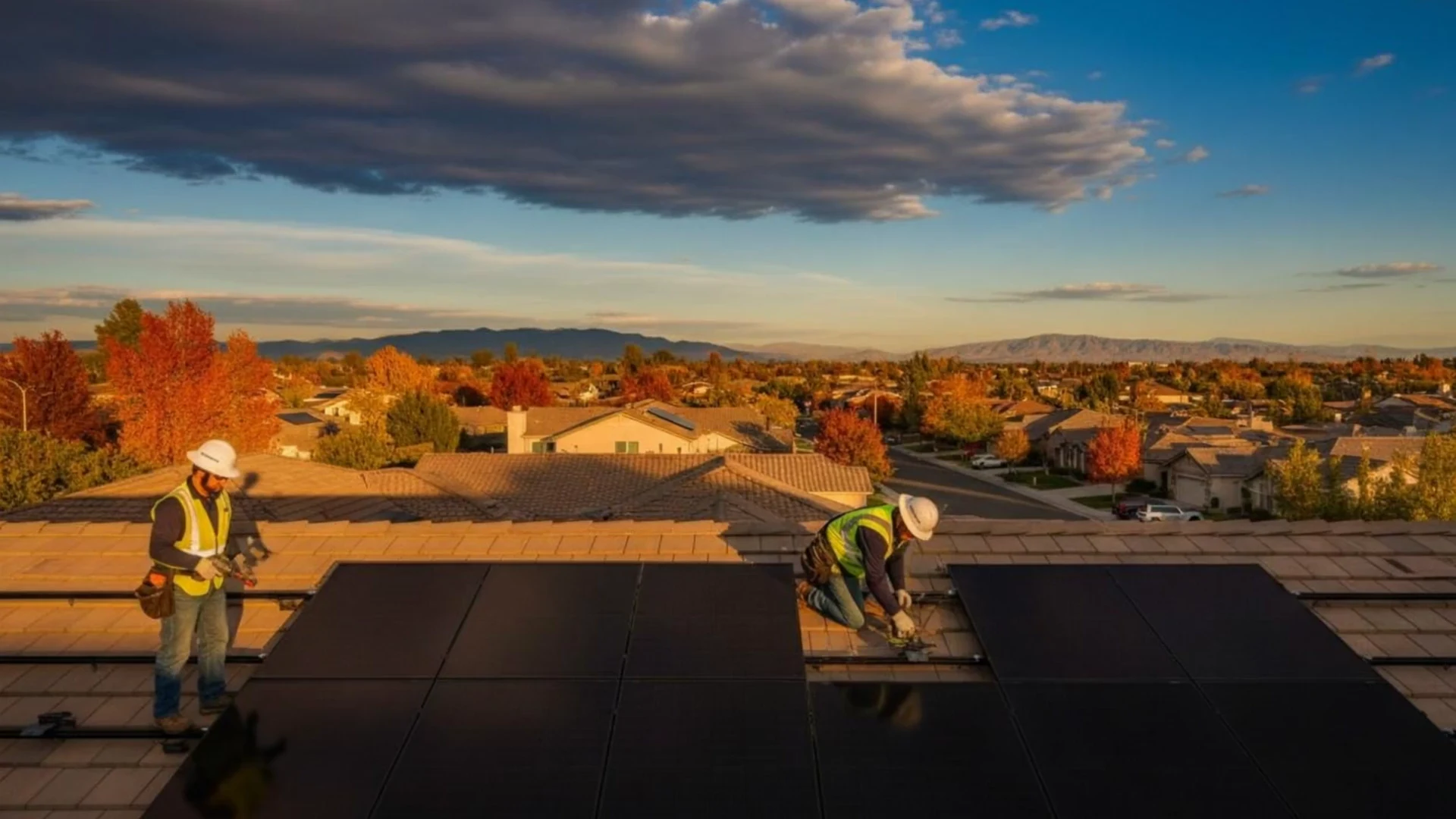
Solar Panel Removal & Reinstallation in Sarasota, FL
America’s #1 Choice for Energy Independence
We handle removal, storage, and reinstallation — coordinating with your roofer so your project runs smoothly from start to finish.
By submitting or calling, you consent to receive calls and SMS from The Light Group USA at the number provided, including via auto-dialer or pre-recorded messages. Consent is not required for purchase. Msg/data rates may apply. Reply STOP to opt out. See our Privacy Policy.

Protect your roof and your solar investment
Let professionals handle your solar panel removal the right way.
By submitting or calling, you consent to receive calls and SMS from The Light Group USA at the number provided, including via auto-dialer or pre-recorded messages. Consent is not required for purchase. Msg/data rates may apply. Reply STOP to opt out. See our Privacy Policy.
Panel removal and reinstall in Sarasota
Sarasota wraps around its bay, from St. Armands Circle across the Ringling Bridge into a downtown and neighborhoods that span five ZIP codes: 34237, 34236, 34234, 34239 and 34232. Nearly 58,000 people live inside the city, in housing of very different ages. What the older stock has in common is roofs that are due, and some of them have solar bolted on top.
The question that comes up most here is who covers what afterward. There are three separate warranties on a house with solar and a new roof, and they belong to three different companies: the module manufacturer, the inverter manufacturer and the roofer. A removal and reinstallation touches all three, and none of them automatically covers the other two companies' work.
The distinction that matters is product versus workmanship. A module's product warranty covers the module failing on its own terms and generally survives being taken off a roof and put back. Workmanship warranties, from the company that originally installed the array, are the ones that end when somebody else touches the mounting. Knowing which is which before the job avoids an argument after it.
Physically, Sarasota Bay air goes after the metal first. Lugs, bolts, splices and connector shells corrode inside their housings while the glass still looks new. Florida Power & Light serves these addresses and credits exported power at the retail rate, unchanged by the array spending a few weeks in a garage. This is scheduled work, covered from Tampa on a booked window.
On a Sarasota removal we get these right
Common questions about solar service in Sarasota
Generally no for the product warranty, which covers the module itself failing. What is genuinely at risk is workmanship coverage from whoever installed the array, since that typically ends when another company works on the mounting. The two are separate documents and should be checked separately before the job.
Whoever made and flashed that penetration, which is why it is agreed in writing beforehand. The roofer warrants the roof surface, the solar contractor warrants the mounts and flashing it installs, and the manufacturers warrant their hardware. Photographs of every attachment point turn that from an argument into a record.
No. They come from different manufacturers, run for different lengths of time and carry different conditions, and the inverter's often depends on registration. Both are recorded during removal, because a system that goes back with unregistered or undocumented equipment is much harder to claim on years later.
The permit and final inspection record, the photographed map of every mount, the module and inverter serials, the torque specification used, and production figures for the first weeks after reinstallation. That set answers almost every question a future buyer, insurer or technician will ask.
It changes what gets inspected. Salt air corrodes grounding lugs, bolts, rail splices and connector shells from inside their housings, and those parts are only reachable while the array is down. On a bay-side roof that inspection is the most valuable half day of the whole project.
Other solar work we do here
Panel Removal & Reinstallation near Sarasota
Crews based in Orlando and Tampa, covering 217 cities statewide.
Tampa Bay
- Apollo Beach
- Auburndale
- Bartow
- Bayonet Point
- Bayshore Gardens
- Bloomingdale
- Bradenton
- Brandon
- Carrollwood
- Citrus Park
- Clearwater
- Davenport
- Dunedin
- East Lake
- East Lake-Orient Park
- Egypt Lake-Leto
- Elfers
- Englewood
- Fish Hawk
- Four Corners
- Fruitville
- Gibsonton
- Haines City
- Holiday
- Jasmine Estates
- Keystone
- Lake Magdalene
- Lake Wales
- Lakeland
- Lakewood Ranch
- Land O' Lakes
- Largo
- Lealman
- Lutz
- New Port Richey
- North Port
- Northdale
- Palm Harbor
- Palm River-Clair Mel
- Palmer Ranch
- Pinellas Park
- Plant City
- Poinciana
- Riverview
- Ruskin
- Safety Harbor
- Sarasota
- Seminole
- South Bradenton
- South Venice
- St. Petersburg
- Sun City Center
- Tampa
- Tarpon Springs
- Temple Terrace
- Thonotosassa
- Town 'n' Country
- Trinity
- University
- Valrico
- Venice
- Wesley Chapel
- Westchase
- Wimauma
- Winter Haven
- Zephyrhills
We also cover Florida Panhandle, North Florida, Northeast Florida, Central Florida, Space Coast, Southwest Florida, Treasure Coast, South Florida. See every Florida city we service.