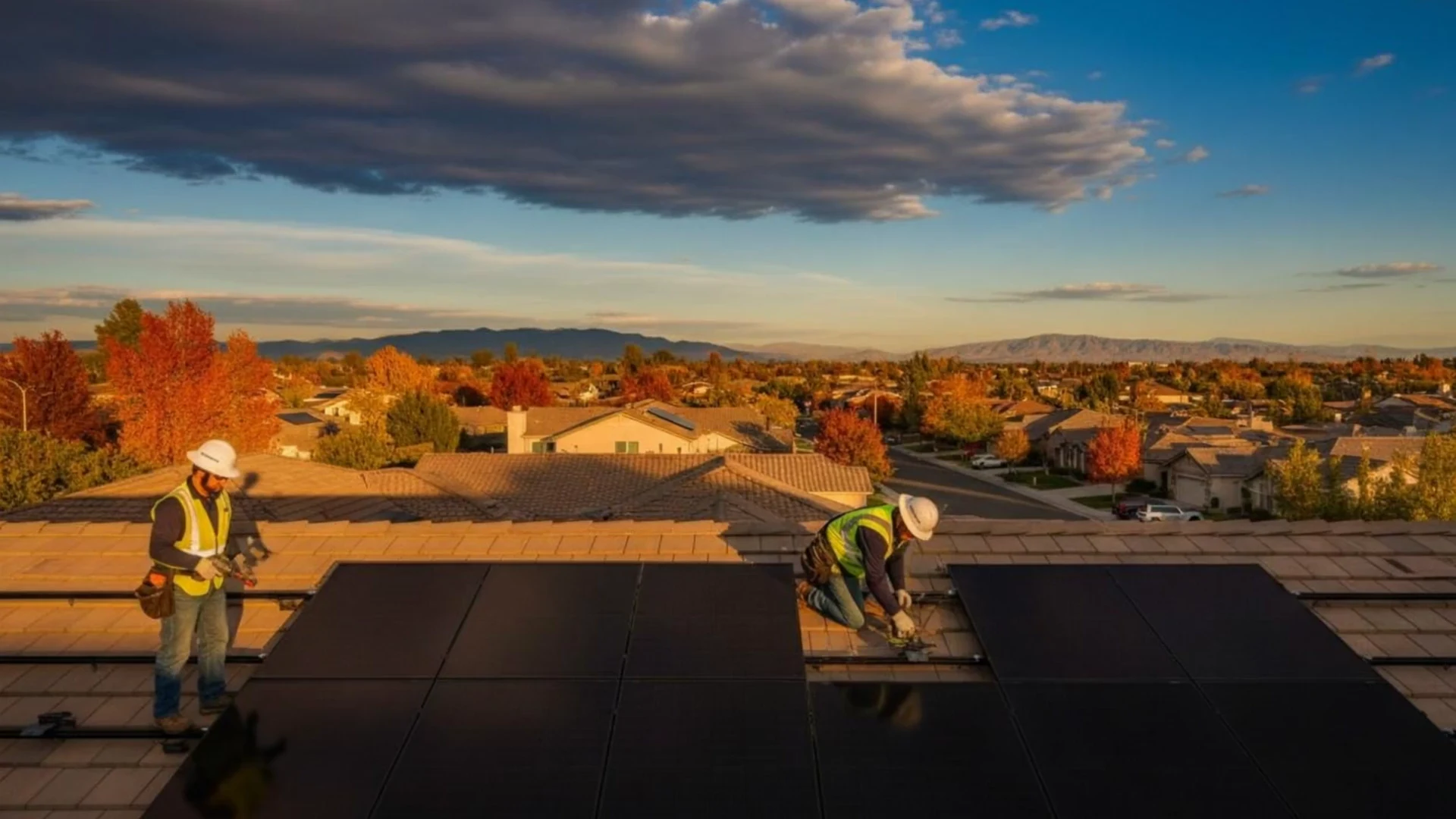
Solar Panel Removal & Reinstallation in Keystone, FL
America’s #1 Choice for Energy Independence
We handle removal, storage, and reinstallation — coordinating with your roofer so your project runs smoothly from start to finish.
By submitting or calling, you consent to receive calls and SMS from The Light Group USA at the number provided, including via auto-dialer or pre-recorded messages. Consent is not required for purchase. Msg/data rates may apply. Reply STOP to opt out. See our Privacy Policy.

Protect your roof and your solar investment
Let professionals handle your solar panel removal the right way.
By submitting or calling, you consent to receive calls and SMS from The Light Group USA at the number provided, including via auto-dialer or pre-recorded messages. Consent is not required for purchase. Msg/data rates may apply. Reply STOP to opt out. See our Privacy Policy.
Panel removal and reinstall in Keystone
Keystone is large-lot country on the northwest edge of Hillsborough County, spread around Lake Keystone and strung along Gunn Highway. Houses sit back from the road on acreage, roofs are big and often complicated, and arrays here tend to be sized for a house with a well, a pump and a detached garage. That size is the first thing that shapes a removal.
Most of Keystone is unincorporated, which means the county issues the permit rather than a city hall. The utility needs confirming too: this is the northern edge of Tampa Electric's territory, and Duke Energy Florida also files service territory in Hillsborough County. Both answers come from the street address, and we read them off the meter and the bill rather than assuming either one.
The call almost always starts with the roof. A re-roof gets scheduled, the roofer says solar is outside their scope, and the original installer cannot be reached. What is actually needed is a defined scope: safe shutdown, labeling, removal by rows, storage while the roof is rebuilt, and a reinstallation that puts every module back where the design intended it.
A large array means more modules through more hands, and handling is where panels get hurt. Tampa Bay also sees more lightning than almost anywhere in the country, so the electrical side of a reinstallation matters as much as the mechanical one: grounding and bonding get restored properly, not approximately. This is planned work, scheduled out of Tampa around the roofing dates.
On a Keystone removal we get these right
Common questions about solar service in Keystone
It is settled by street address. Tampa Electric serves Keystone, and Duke Energy Florida also files service territory in Hillsborough County, so neighbors on different roads are not guaranteed the same company. The meter and the bill give the answer, and it matters because the reconnection paperwork goes to whichever utility serves your address.
Hillsborough County, for most Keystone addresses. Removal and reinstallation typically requires a permit in Florida, and unincorporated areas are handled by the county building department rather than a municipal one. That determines the forms, the fees and the inspector who signs off before the system can be energized again.
It is a poor idea even when they offer. Reinstallation is where the value is won or lost: rafter hits, flashing sequence, clamp torque and matched connectors. A roofing crew is trained on roofs, not on DC circuits and racking specifications, and the panel and inverter warranties assume the array is handled by someone who is.
Yes. Tampa Electric credits exported energy at the retail rate, and reconnecting an existing system does not change that. What does change is timing: exports stop while the array is down and resume once the reinstallation passes inspection and the utility clears the reconnection for your address.
The roof drives it. Removal is typically one day, reinstallation another, and everything in between belongs to the roofer plus the inspection queue. Simple shingle jobs run days; complex roofs, structural repairs or a permit delay run weeks. Booking both solar visits when the roof is scheduled keeps the total tight.
Other solar work we do here
Panel Removal & Reinstallation near Keystone
Crews based in Orlando and Tampa, covering 217 cities statewide.
Tampa Bay
- Apollo Beach
- Auburndale
- Bartow
- Bayonet Point
- Bayshore Gardens
- Bloomingdale
- Bradenton
- Brandon
- Carrollwood
- Citrus Park
- Clearwater
- Davenport
- Dunedin
- East Lake
- East Lake-Orient Park
- Egypt Lake-Leto
- Elfers
- Englewood
- Fish Hawk
- Four Corners
- Fruitville
- Gibsonton
- Haines City
- Holiday
- Jasmine Estates
- Keystone
- Lake Magdalene
- Lake Wales
- Lakeland
- Lakewood Ranch
- Land O' Lakes
- Largo
- Lealman
- Lutz
- New Port Richey
- North Port
- Northdale
- Palm Harbor
- Palm River-Clair Mel
- Palmer Ranch
- Pinellas Park
- Plant City
- Poinciana
- Riverview
- Ruskin
- Safety Harbor
- Sarasota
- Seminole
- South Bradenton
- South Venice
- St. Petersburg
- Sun City Center
- Tampa
- Tarpon Springs
- Temple Terrace
- Thonotosassa
- Town 'n' Country
- Trinity
- University
- Valrico
- Venice
- Wesley Chapel
- Westchase
- Wimauma
- Winter Haven
- Zephyrhills
We also cover Florida Panhandle, North Florida, Northeast Florida, Central Florida, Space Coast, Southwest Florida, Treasure Coast, South Florida. See every Florida city we service.