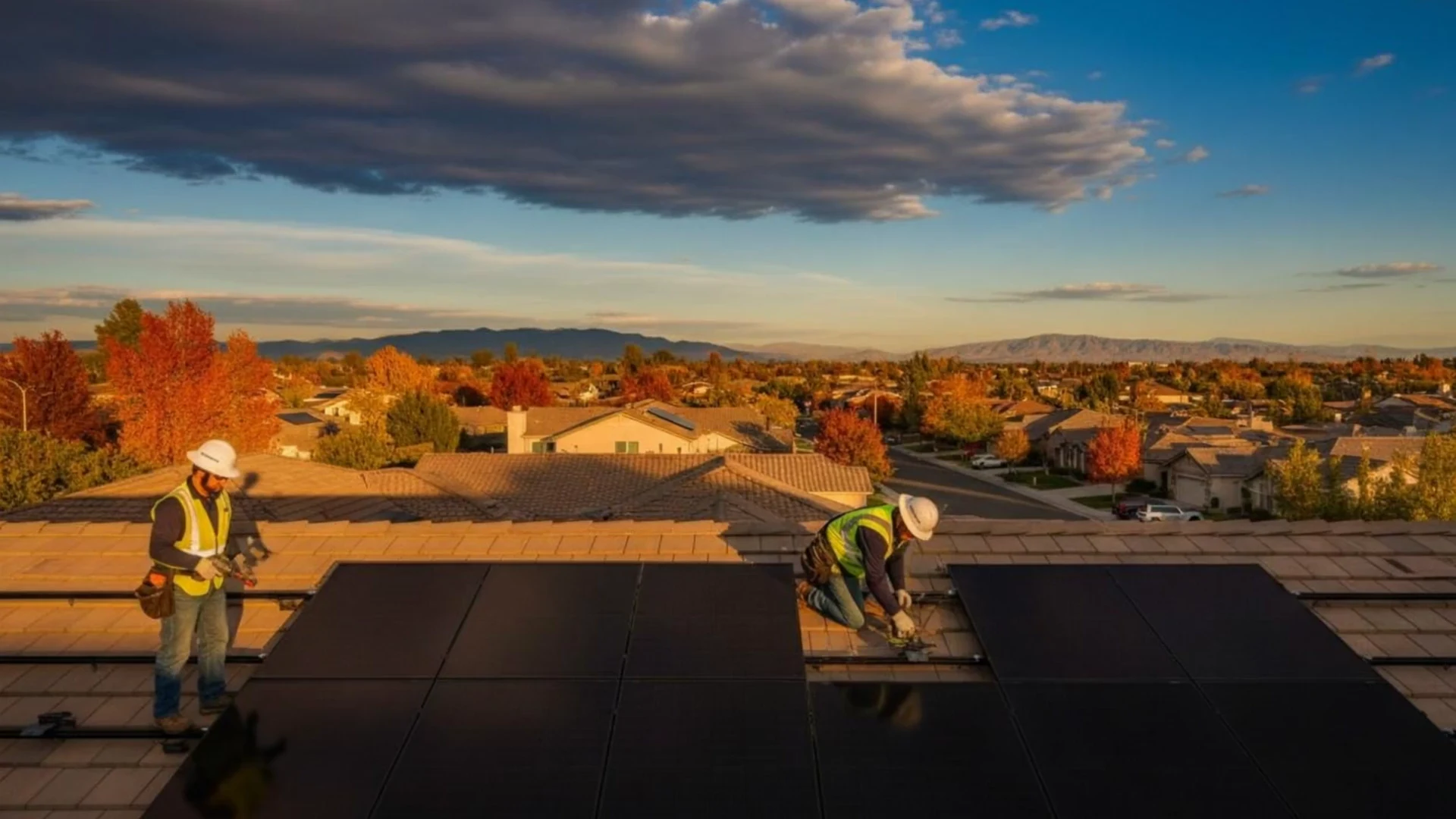
Solar Panel Removal & Reinstallation in Fish Hawk, FL
America’s #1 Choice for Energy Independence
We handle removal, storage, and reinstallation — coordinating with your roofer so your project runs smoothly from start to finish.
By submitting or calling, you consent to receive calls and SMS from The Light Group USA at the number provided, including via auto-dialer or pre-recorded messages. Consent is not required for purchase. Msg/data rates may apply. Reply STOP to opt out. See our Privacy Policy.

Protect your roof and your solar investment
Let professionals handle your solar panel removal the right way.
By submitting or calling, you consent to receive calls and SMS from The Light Group USA at the number provided, including via auto-dialer or pre-recorded messages. Consent is not required for purchase. Msg/data rates may apply. Reply STOP to opt out. See our Privacy Policy.
Panel removal and reinstall in Fish Hawk
Fish Hawk is a planned community built out in phases along Lithia Pinecrest Road, which means whole streets in 33547 and 33569 went up within a few years of one another. Roofs age on that same schedule. When one neighbor replaces a roof with an array bolted to it, several others on the street are usually a season or two behind the same decision.
Electric service here deserves a check rather than an assumption. Tampa Electric serves the community, and this is the northern and eastern fringe of its territory, while Duke Energy Florida also files service territory in Hillsborough County. Both credit exported energy at the retail rate, so the stakes are administrative rather than financial, but the interconnection paperwork follows whichever utility owns the meter.
Nearly twelve kilometers from the bay, the wear pattern is different from the coast. Salt is not the story here; heat is. Modules derate as roof and attic temperatures climb, and dust and pollen build a film that quietly costs output without ever triggering an error. A removal puts the entire array at ground level, which is the only comfortable moment to clean and examine every module.
This is planned work and it schedules well from Tampa. Removal lands on the day the roofer needs the deck clear, and reinstallation follows the completed roof and its inspection. Between those two dates the modules sit in storage, the roofing crew works without solar in the way, and each trade is responsible for a defined part of the finished assembly.
On a Fish Hawk removal we get these right
Common questions about solar service in Fish Hawk
It depends on the street. Tampa Electric serves the community, but this is the northern and eastern edge of its territory and Duke Energy Florida also files service territory in Hillsborough County. Your meter and bill settle it. Both credit exported power at the retail rate, so the answer affects paperwork rather than value.
Usually yes. An existing interconnection agreement describes a system at a specific address, and taking it down and putting it back is normally handled through the utility that issued that agreement. The requirement is procedural rather than difficult, and it is easier to start before removal than to backfill afterward.
They should, and it is worth confirming before the crew leaves. Inverters lose their network connection when they are powered down, and older systems sometimes need the portal account recovered because the original installer held it. Production data returning to normal is the clearest evidence the reinstall went correctly.
Often yes, and it usually helps. Removal and reinstallation are booked visits rather than emergency calls, so grouping houses that share a roofing contractor and a timeline reduces mobilization for everyone. It also keeps the sequence consistent, since all the arrays follow the same roofing crew through the same stages.
Removal itself does not, but improper handling and improper reinstallation can. Manufacturer warranties typically depend on mounting per specification, correct torque and matched connectors. That is why clamp torque, mount locations and connector brands are treated as warranty items during reassembly, not as details left to whoever is on the roof.
Other solar work we do here
Panel Removal & Reinstallation near Fish Hawk
Crews based in Orlando and Tampa, covering 217 cities statewide.
Tampa Bay
- Apollo Beach
- Auburndale
- Bartow
- Bayonet Point
- Bayshore Gardens
- Bloomingdale
- Bradenton
- Brandon
- Carrollwood
- Citrus Park
- Clearwater
- Davenport
- Dunedin
- East Lake
- East Lake-Orient Park
- Egypt Lake-Leto
- Elfers
- Englewood
- Fish Hawk
- Four Corners
- Fruitville
- Gibsonton
- Haines City
- Holiday
- Jasmine Estates
- Keystone
- Lake Magdalene
- Lake Wales
- Lakeland
- Lakewood Ranch
- Land O' Lakes
- Largo
- Lealman
- Lutz
- New Port Richey
- North Port
- Northdale
- Palm Harbor
- Palm River-Clair Mel
- Palmer Ranch
- Pinellas Park
- Plant City
- Poinciana
- Riverview
- Ruskin
- Safety Harbor
- Sarasota
- Seminole
- South Bradenton
- South Venice
- St. Petersburg
- Sun City Center
- Tampa
- Tarpon Springs
- Temple Terrace
- Thonotosassa
- Town 'n' Country
- Trinity
- University
- Valrico
- Venice
- Wesley Chapel
- Westchase
- Wimauma
- Winter Haven
- Zephyrhills
We also cover Florida Panhandle, North Florida, Northeast Florida, Central Florida, Space Coast, Southwest Florida, Treasure Coast, South Florida. See every Florida city we service.