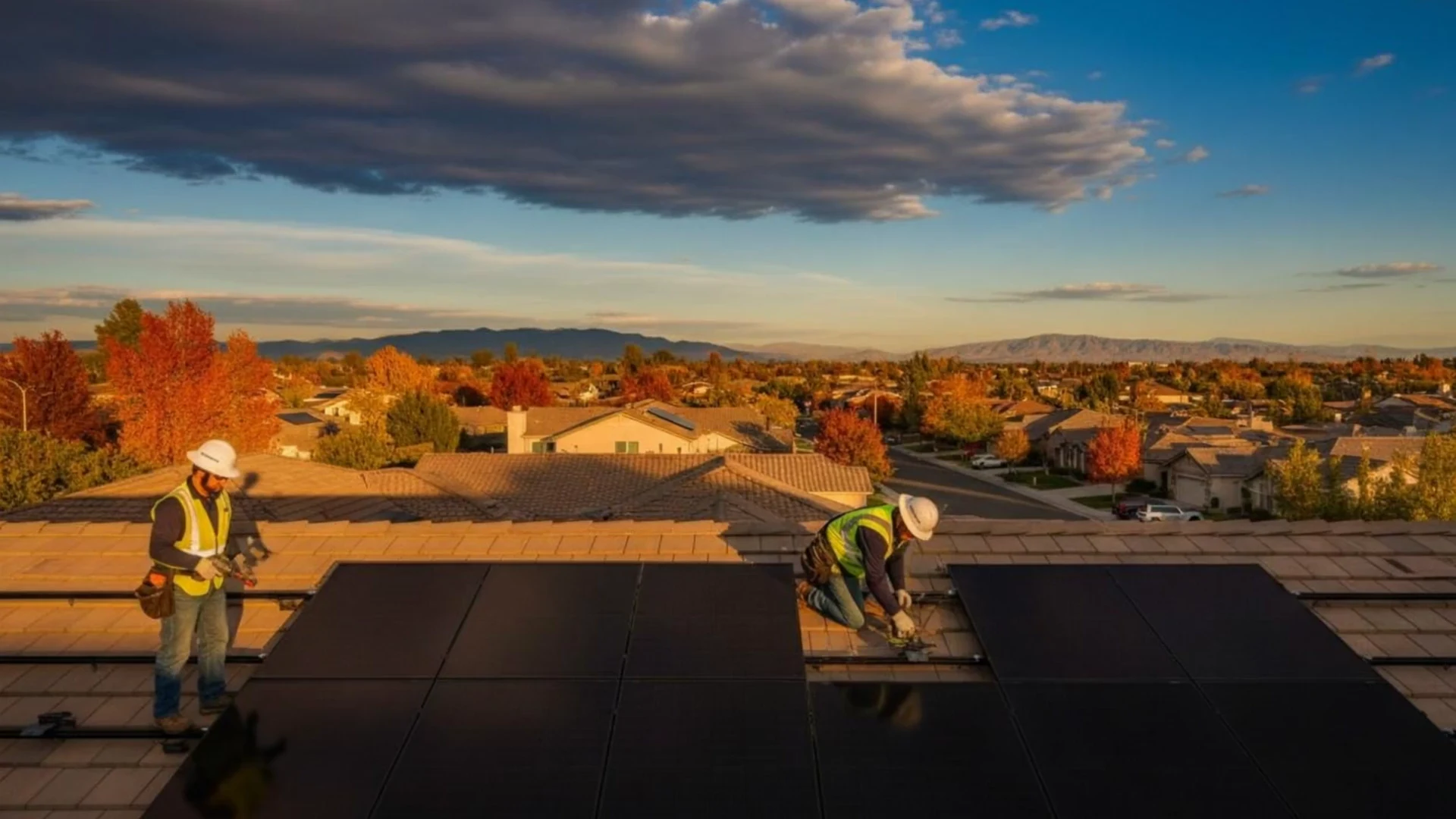
Solar Panel Removal & Reinstallation in Aventura, FL
America’s #1 Choice for Energy Independence
We handle removal, storage, and reinstallation — coordinating with your roofer so your project runs smoothly from start to finish.
By submitting or calling, you consent to receive calls and SMS from The Light Group USA at the number provided, including via auto-dialer or pre-recorded messages. Consent is not required for purchase. Msg/data rates may apply. Reply STOP to opt out. See our Privacy Policy.

Protect your roof and your solar investment
Let professionals handle your solar panel removal the right way.
By submitting or calling, you consent to receive calls and SMS from The Light Group USA at the number provided, including via auto-dialer or pre-recorded messages. Consent is not required for purchase. Msg/data rates may apply. Reply STOP to opt out. See our Privacy Policy.
Panel removal and reinstall in Aventura
Aventura sits about half a mile from the Atlantic, and the housing packed around Aventura Mall on Biscayne Boulevard runs from townhome rows to single-family streets tucked between the towers. When one of those roofs comes due, the solar on top has to come off before a roofer can start. That is a separate job from the roofing contract, and it is usually the moment an owner discovers their roofer will not touch the array.
Salt is the quiet part of a removal this close to the water. Once modules and rails are down, the parts nobody has seen in years are finally visible: lag points, grounding lugs, MC4 shells, the underside of the racking feet. Corrosion works inside those housings first, where the panels still look clean. A detach is the only moment anyone gets an honest look at that hardware.
Aventura is an incorporated city, so a detach-and-reset usually files with the city rather than with Miami-Dade directly. That matters for sequencing. The roof permit and the solar permit are separate paperwork, and the solar reinspection happens after the array goes back up, not when the last tile is set. Knowing which office signs off keeps modules from sitting in a garage for extra weeks.
This is scheduled work, never an emergency call. Aventura is covered from Orlando and Tampa, which means the crew is booked into a real window around the roofer's calendar instead of arriving the morning of tear-off. FPL credits exported power at the retail rate, so every day the system is down is a day the meter only runs one direction. Short, planned downtime is the whole objective.
On a Aventura removal we get these right
Common questions about solar service in Aventura
Yes, for a full tear-off they do. Roofers cannot strip and re-deck under a mounted array, and most will not accept liability for anything attached to it. The panels, rails and often the conduit come off, the roof is rebuilt, and the system goes back on the new surface with new penetrations and new flashing.
In most Florida jurisdictions it does, and Aventura is an incorporated city, so the paperwork typically goes through the city rather than the county. The permit is pulled before the work starts, and a reinspection is scheduled after reinstall. The system should not be energized again until that inspection passes.
Yes. An orphaned system can be removed and reinstalled by another licensed contractor. What is usually missing is the paperwork: string maps, module and inverter model numbers, the interconnection record and monitoring credentials. Those get rebuilt from the equipment labels and the array itself during the removal, then handed back to you.
Responsibility follows whoever made the penetration. New mounting holes belong to whoever reinstalled the array; the field of the roof belongs to the roofer. That line only holds if it is written down before the job, with photos of the deck and flashing at each mount. Ask both contractors to state their coverage in writing.
Typically it tracks the roof schedule plus the inspection wait, so days to a few weeks. Removal itself is usually a day for a residential array, and reinstall is similar. The variable is how long the roof takes and when the inspector can come. With FPL crediting exports at the retail rate, compressing that gap is worth planning for.
Other solar work we do here
Panel Removal & Reinstallation near Aventura
Crews based in Orlando and Tampa, covering 217 cities statewide.
South Florida
- Aventura
- Belle Glade
- Boca Raton
- Boynton Beach
- Coconut Creek
- Cooper City
- Coral Gables
- Coral Springs
- Cutler Bay
- Dania Beach
- Davie
- Deerfield Beach
- Delray Beach
- Doral
- Fort Lauderdale
- Greenacres
- Hallandale Beach
- Hialeah
- Hialeah Gardens
- Hollywood
- Homestead
- Jupiter
- Lake Worth Beach
- Lauderdale Lakes
- Lauderhill
- Margate
- Miami
- Miami Beach
- Miami Gardens
- Miami Lakes
- Miramar
- North Lauderdale
- North Miami
- North Miami Beach
- Oakland Park
- Opa-locka
- Palm Beach Gardens
- Palm Springs
- Palmetto Bay
- Parkland
- Pembroke Pines
- Pinecrest
- Plantation
- Pompano Beach
- Riviera Beach
- Royal Palm Beach
- Sunny Isles Beach
- Sunrise
- Sweetwater
- Tamarac
- Wellington
- West Palm Beach
- West Park
- Weston
We also cover Florida Panhandle, North Florida, Northeast Florida, Central Florida, Space Coast, Tampa Bay, Southwest Florida, Treasure Coast. See every Florida city we service.