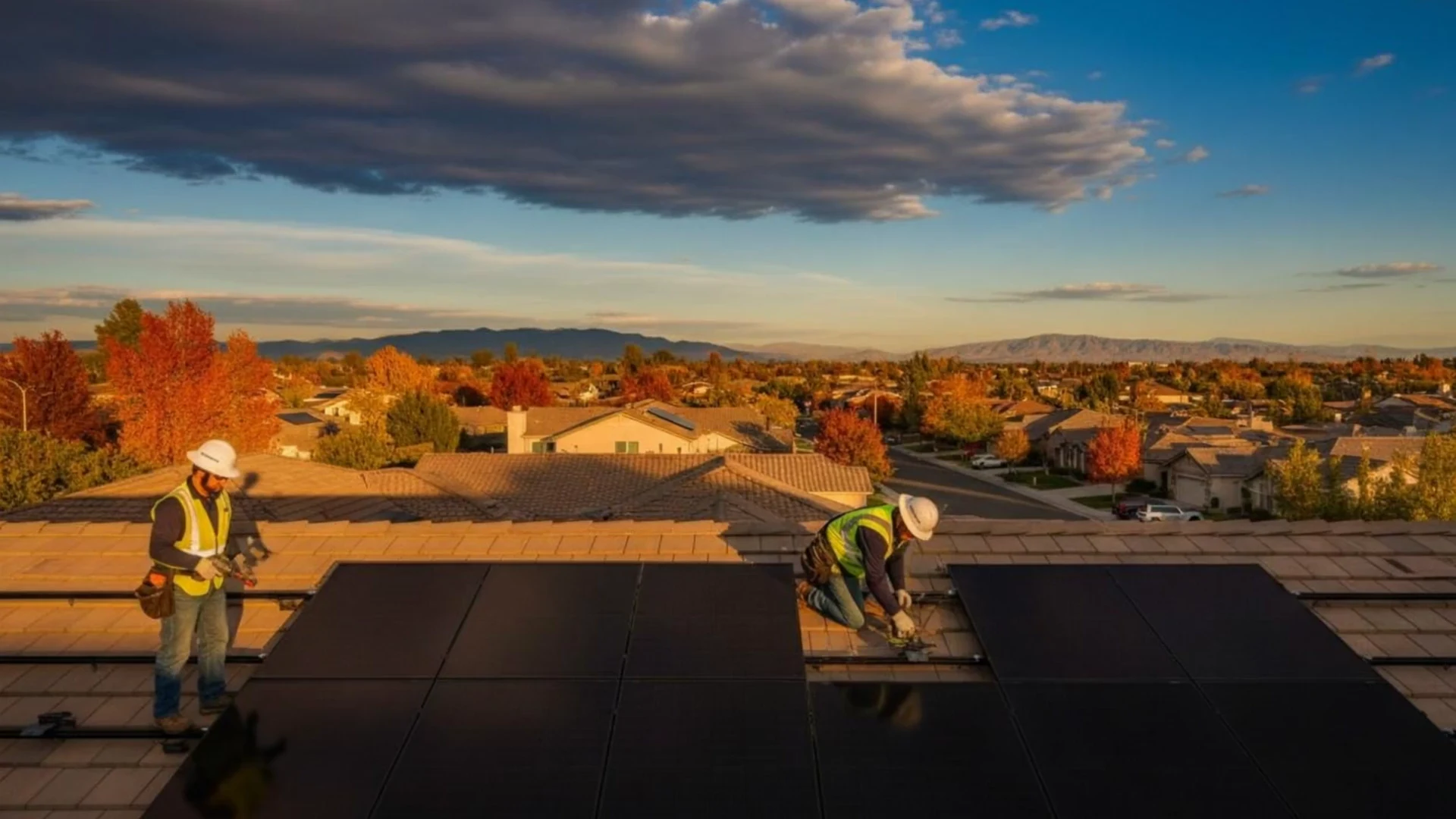
Solar Panel Removal & Reinstallation in Deerfield Beach, FL
America’s #1 Choice for Energy Independence
We handle removal, storage, and reinstallation — coordinating with your roofer so your project runs smoothly from start to finish.
By submitting or calling, you consent to receive calls and SMS from The Light Group USA at the number provided, including via auto-dialer or pre-recorded messages. Consent is not required for purchase. Msg/data rates may apply. Reply STOP to opt out. See our Privacy Policy.

Protect your roof and your solar investment
Let professionals handle your solar panel removal the right way.
By submitting or calling, you consent to receive calls and SMS from The Light Group USA at the number provided, including via auto-dialer or pre-recorded messages. Consent is not required for purchase. Msg/data rates may apply. Reply STOP to opt out. See our Privacy Policy.
Panel removal and reinstall in Deerfield Beach
Deerfield Beach runs from the pier at the east end of Hillsboro Boulevard back through blocks of single-family homes, villas and association-governed communities. Lots are tight, driveways are short, and many roofs sit within sight of the ocean. Taking an array off a roof here is as much a logistics problem as a technical one: where the truck parks, where the modules go, and who has to approve it.
A lot of Deerfield Beach homes answer to an association as well as to the city. Re-roofing already triggers a color and material approval; pulling the solar off and putting it back can trigger a second one, especially if anything about the layout changes. Confirming that before the schedule is set avoids a finished roof and an array that cannot legally go back up yet.
This close to the water, salt is the quiet variable. It attacks rails, stainless-looking fasteners, grounding lugs and MC4 connectors, and it does the worst of it inside connector housings where an annual glance from the ground never reaches. Removal puts every connector in a hand. Corroded ones get replaced then, not after the roof is closed and the crew is gone.
Deerfield Beach is FPL territory, so exported energy is credited at the retail rate and the meter picks up where it left off once the reconnection is approved. None of this is emergency work. It is scheduled, and we schedule it out of Orlando and Tampa around the roofing dates, with the return trip booked before the first module comes down.
On a Deerfield Beach removal we get these right
Common questions about solar service in Deerfield Beach
Often yes, if the association reviews exterior work. The re-roof approval does not automatically cover taking the array down and putting it back, particularly if anything about the layout changes. Ask the association in writing while the roof is being quoted, so the review runs alongside the roofing schedule instead of after it.
Usually, and that is the goal. Original positions preserve string voltages and the shading pattern the system was designed around. New mounts still have to land on rafters, so a few points may shift slightly. What does not change without a reason is the layout, the string map or the module order.
Yes, when it is shut down properly. Modules produce voltage whenever there is light, so the array is isolated at the disconnect and the DC side is opened and labeled before anything is unbolted. Once the modules are off the roof and in storage, there is no live solar circuit left on the house.
Whoever had custody of it, which is why custody gets written down. Panel, inverter and roofing warranties are separate agreements. A roofing contractor who moves modules without solar coverage can leave you with a cracked panel that no warranty pays for. Agreeing on the handover point before work starts avoids that argument.
Yes. Orphaned systems are common and workable. What is missing is usually documentation: the string map, the racking model, the inverter settings and the monitoring login. Those get rebuilt from what is on the roof and inside the equipment during removal, and handed back to you as part of the job.
Other solar work we do here
Panel Removal & Reinstallation near Deerfield Beach
Crews based in Orlando and Tampa, covering 217 cities statewide.
South Florida
- Aventura
- Belle Glade
- Boca Raton
- Boynton Beach
- Coconut Creek
- Cooper City
- Coral Gables
- Coral Springs
- Cutler Bay
- Dania Beach
- Davie
- Deerfield Beach
- Delray Beach
- Doral
- Fort Lauderdale
- Greenacres
- Hallandale Beach
- Hialeah
- Hialeah Gardens
- Hollywood
- Homestead
- Jupiter
- Lake Worth Beach
- Lauderdale Lakes
- Lauderhill
- Margate
- Miami
- Miami Beach
- Miami Gardens
- Miami Lakes
- Miramar
- North Lauderdale
- North Miami
- North Miami Beach
- Oakland Park
- Opa-locka
- Palm Beach Gardens
- Palm Springs
- Palmetto Bay
- Parkland
- Pembroke Pines
- Pinecrest
- Plantation
- Pompano Beach
- Riviera Beach
- Royal Palm Beach
- Sunny Isles Beach
- Sunrise
- Sweetwater
- Tamarac
- Wellington
- West Palm Beach
- West Park
- Weston
We also cover Florida Panhandle, North Florida, Northeast Florida, Central Florida, Space Coast, Tampa Bay, Southwest Florida, Treasure Coast. See every Florida city we service.