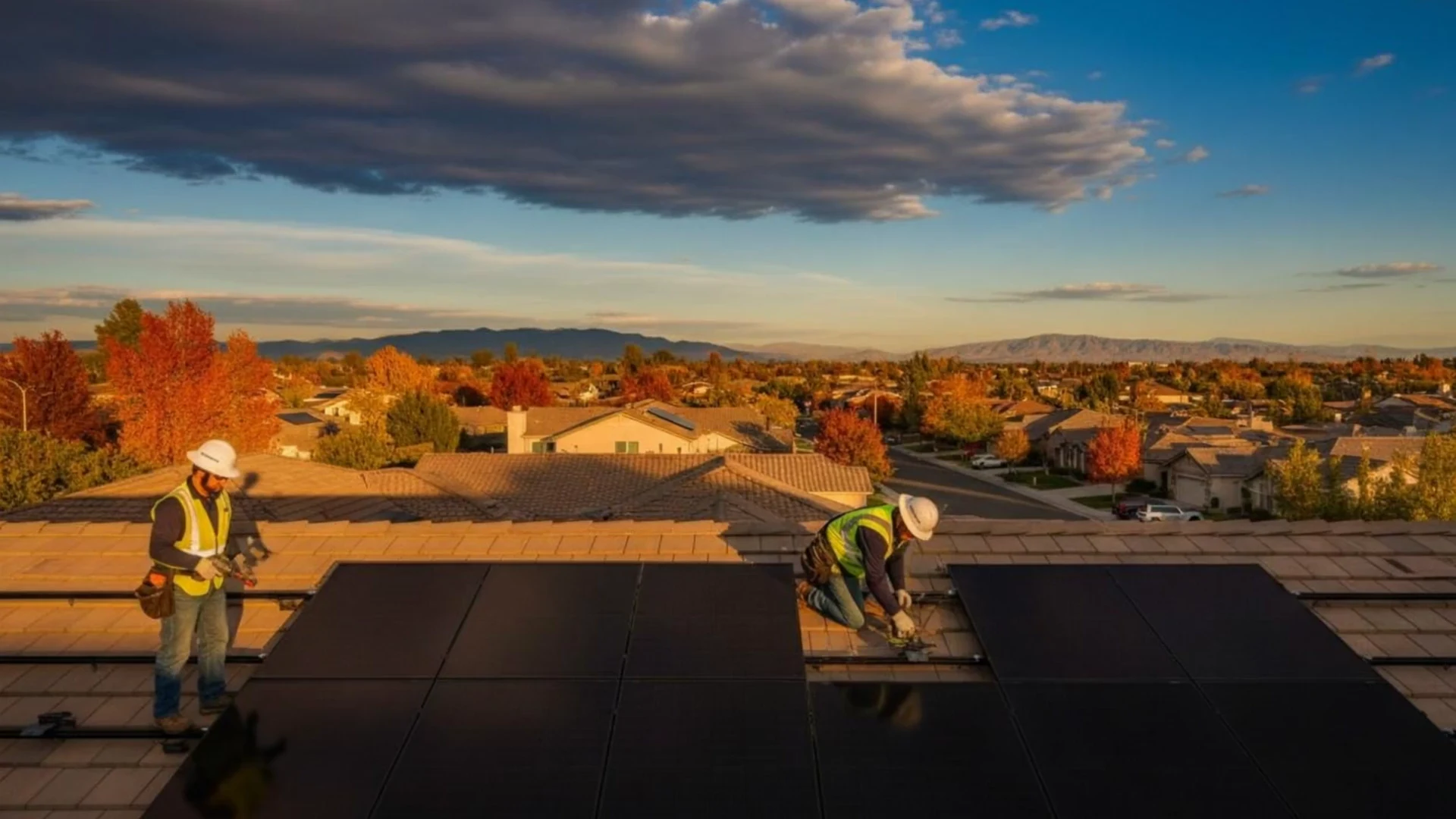
Solar Panel Removal & Reinstallation in Oakland Park, FL
America’s #1 Choice for Energy Independence
We handle removal, storage, and reinstallation — coordinating with your roofer so your project runs smoothly from start to finish.
By submitting or calling, you consent to receive calls and SMS from The Light Group USA at the number provided, including via auto-dialer or pre-recorded messages. Consent is not required for purchase. Msg/data rates may apply. Reply STOP to opt out. See our Privacy Policy.

Protect your roof and your solar investment
Let professionals handle your solar panel removal the right way.
By submitting or calling, you consent to receive calls and SMS from The Light Group USA at the number provided, including via auto-dialer or pre-recorded messages. Consent is not required for purchase. Msg/data rates may apply. Reply STOP to opt out. See our Privacy Policy.
Panel removal and reinstall in Oakland Park
Oakland Park sits close enough to the Atlantic that salt is part of the weather, and the downtown district along Dixie Highway and the FEC railway is a mix of older bungalows, small multifamily and infill housing on tight lots. When one of those roofs is replaced, the solar array has to come off, and the removal is the first honest look anyone has had at the metal underneath in years.
Salt does not attack the panels. It attacks the rails, the bolts, the grounding lugs and the contacts inside MC4 connector housings, corroding in the places nobody can see from the driveway. A system that looks perfect from the street can have a grounding path going green and a connector pair losing contact. Once the array is down, all of that is in your hand and can be judged properly.
That makes the reinstallation a decision point rather than a reversal. Hardware that is pitted gets replaced with appropriate corrosion-resistant fasteners, grounding connections are cleaned and remade, and suspect connectors are cut back and replaced with the same manufacturer's parts rather than reused. Mixing connector brands is a classic source of arcing and voided warranties, and a coastal environment is the worst place to gamble on it.
Broward County is in the High-Velocity Hurricane Zone, so attachment products and methods on the new roof are held to that standard, permitted through the city and closed with an inspection. Oakland Park is Florida Power and Light territory, and FPL credits exported energy at the retail rate under the agreement your array was approved under. Return it as approved and nothing about that arrangement moves.
On a Oakland Park removal we get these right
Common questions about solar service in Oakland Park
Because salt corrosion works on metal, not glass. Rails, bolts, clamps, grounding lugs and the contacts inside connector housings degrade where nobody can see them, often while production still looks normal. A removal is the one opportunity to inspect every one of those parts in hand instead of guessing from the ground.
Panel warranties cover the module, and most corrosion issues near the coast affect the racking, fasteners, grounding hardware and connectors, which are separate products with separate warranties and shorter terms. That is exactly why documenting the condition of each component during removal matters: it tells you what to claim and what to simply replace.
Storage is agreed before removal day, because a downtown lot may already be hosting a dumpster and a pallet of shingles. Modules go on spaced racks, covered, on dry ground, in a place they will not have to be relocated by another trade. If the lot cannot accommodate them safely, that is discussed up front.
In most cases yes. The work involves electrical disconnection and new roof attachments, which is permitted and inspected. Broward County also falls in the High-Velocity Hurricane Zone, so the products used to attach the array on your new roof are held to that standard, and the closing inspection is what confirms it.
Rails often can be if they are sound; mounts and flashings usually should not, since flashings are matched to the roof material and are not made to be lifted and reset. In a coastal environment each rail is inspected individually rather than reused as a set, because corrosion is rarely uniform across an array.
Other solar work we do here
Panel Removal & Reinstallation near Oakland Park
Crews based in Orlando and Tampa, covering 217 cities statewide.
South Florida
- Aventura
- Belle Glade
- Boca Raton
- Boynton Beach
- Coconut Creek
- Cooper City
- Coral Gables
- Coral Springs
- Cutler Bay
- Dania Beach
- Davie
- Deerfield Beach
- Delray Beach
- Doral
- Fort Lauderdale
- Greenacres
- Hallandale Beach
- Hialeah
- Hialeah Gardens
- Hollywood
- Homestead
- Jupiter
- Lake Worth Beach
- Lauderdale Lakes
- Lauderhill
- Margate
- Miami
- Miami Beach
- Miami Gardens
- Miami Lakes
- Miramar
- North Lauderdale
- North Miami
- North Miami Beach
- Oakland Park
- Opa-locka
- Palm Beach Gardens
- Palm Springs
- Palmetto Bay
- Parkland
- Pembroke Pines
- Pinecrest
- Plantation
- Pompano Beach
- Riviera Beach
- Royal Palm Beach
- Sunny Isles Beach
- Sunrise
- Sweetwater
- Tamarac
- Wellington
- West Palm Beach
- West Park
- Weston
We also cover Florida Panhandle, North Florida, Northeast Florida, Central Florida, Space Coast, Tampa Bay, Southwest Florida, Treasure Coast. See every Florida city we service.