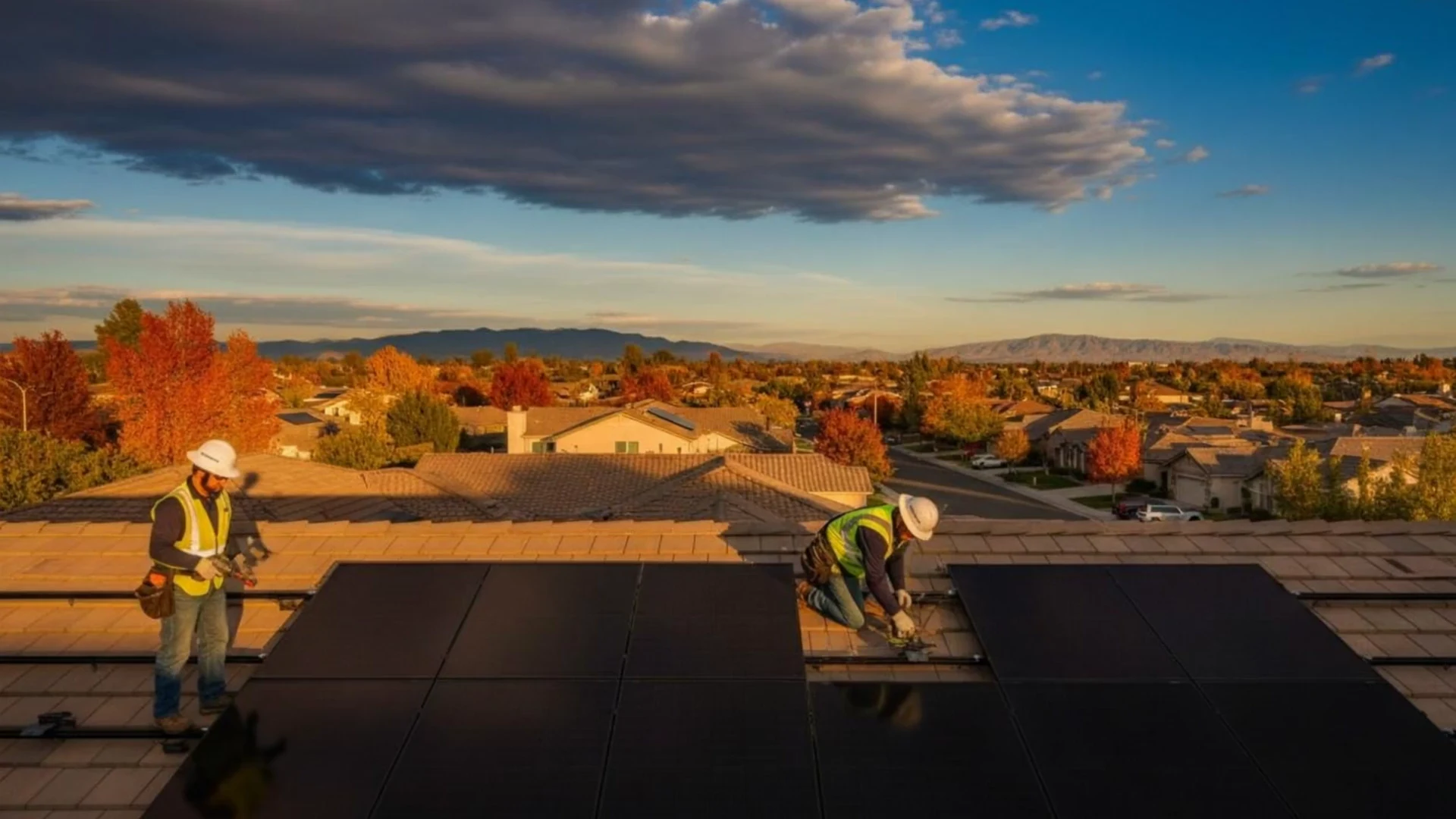
Solar Panel Removal & Reinstallation in Jupiter, FL
America’s #1 Choice for Energy Independence
We handle removal, storage, and reinstallation — coordinating with your roofer so your project runs smoothly from start to finish.
By submitting or calling, you consent to receive calls and SMS from The Light Group USA at the number provided, including via auto-dialer or pre-recorded messages. Consent is not required for purchase. Msg/data rates may apply. Reply STOP to opt out. See our Privacy Policy.

Protect your roof and your solar investment
Let professionals handle your solar panel removal the right way.
By submitting or calling, you consent to receive calls and SMS from The Light Group USA at the number provided, including via auto-dialer or pre-recorded messages. Consent is not required for purchase. Msg/data rates may apply. Reply STOP to opt out. See our Privacy Policy.
Panel removal and reinstall in Jupiter
The Jupiter Inlet and the 1860 lighthouse beside it mark the point where this town meets the Atlantic, and much of the housing across 33458, 33477 and 33478 sits within reach of that same air. Around 62,000 people live here. When a roof reaches the end and there is a solar array bolted to it, the array becomes the first item on the schedule.
Timing carries more weight in Jupiter than in most places. Hurricane season runs from June 1 to November 30, and a roof replacement inside that window means there will be days when the roof is open and the array is off. That is manageable when it is planned, and genuinely unpleasant when the roofer starts and the solar crew has not been booked.
The reinstallation is where the project is won or lost. Clamps hold modules against uplift only when they are torqued to the figure the module manufacturer publishes, and a rail run that was fine for twelve years can be reassembled wrong in an afternoon. Nothing is left partially mounted overnight; a half-fastened array in an evening squall is a liability, not a work in progress.
Salt reaches the hardware before it reaches the glass. Lugs, bolts, splices and connector shells corrode inside their housings, out of sight from the ground, and a removal is the one moment they can all be examined. Florida Power & Light serves these addresses and credits exported power at the retail rate, and that does not change because the array spent three weeks in a garage.
On a Jupiter removal we get these right
Common questions about solar service in Jupiter
Not necessarily, but the schedule has to respect it. Between June 1 and November 30 the sequence is planned so the array is either fully mounted or fully removed and stored, with weather days built in. The problem is not the season itself; it is an unplanned job caught in the middle of it.
Yes, and it is avoidable. Modules that are set but not torqued, or rails fastened at one end only, can lift in ordinary summer wind. That is why each day ends in a defined state rather than wherever the crew happened to stop, and why reinstallation is not spread over open-ended weeks.
Often the rails can, and the fasteners frequently should not. Coastal hardware corrodes inside the housing, and a bolt that looks fine can be at the end of its life. Everything is assessed while the array is down, and what gets reused goes back to the manufacturer's torque specification.
Because different manufacturers' MC4-style connectors can be pushed together while not being rated as a matched pair. The contact geometry and sealing differ, which is a known path to resistance, heat and arcing, and it is grounds for denying a warranty claim. Connectors are matched to what the system already uses.
Book as soon as the roofing date is set. This is planned work rather than an emergency call, which is what makes covering Jupiter from Orlando or Tampa on a scheduled window practical. Late notice is what produces the expensive scenario of an exposed roof waiting on a solar crew.
Other solar work we do here
Panel Removal & Reinstallation near Jupiter
Crews based in Orlando and Tampa, covering 217 cities statewide.
South Florida
- Aventura
- Belle Glade
- Boca Raton
- Boynton Beach
- Coconut Creek
- Cooper City
- Coral Gables
- Coral Springs
- Cutler Bay
- Dania Beach
- Davie
- Deerfield Beach
- Delray Beach
- Doral
- Fort Lauderdale
- Greenacres
- Hallandale Beach
- Hialeah
- Hialeah Gardens
- Hollywood
- Homestead
- Jupiter
- Lake Worth Beach
- Lauderdale Lakes
- Lauderhill
- Margate
- Miami
- Miami Beach
- Miami Gardens
- Miami Lakes
- Miramar
- North Lauderdale
- North Miami
- North Miami Beach
- Oakland Park
- Opa-locka
- Palm Beach Gardens
- Palm Springs
- Palmetto Bay
- Parkland
- Pembroke Pines
- Pinecrest
- Plantation
- Pompano Beach
- Riviera Beach
- Royal Palm Beach
- Sunny Isles Beach
- Sunrise
- Sweetwater
- Tamarac
- Wellington
- West Palm Beach
- West Park
- Weston
We also cover Florida Panhandle, North Florida, Northeast Florida, Central Florida, Space Coast, Tampa Bay, Southwest Florida, Treasure Coast. See every Florida city we service.