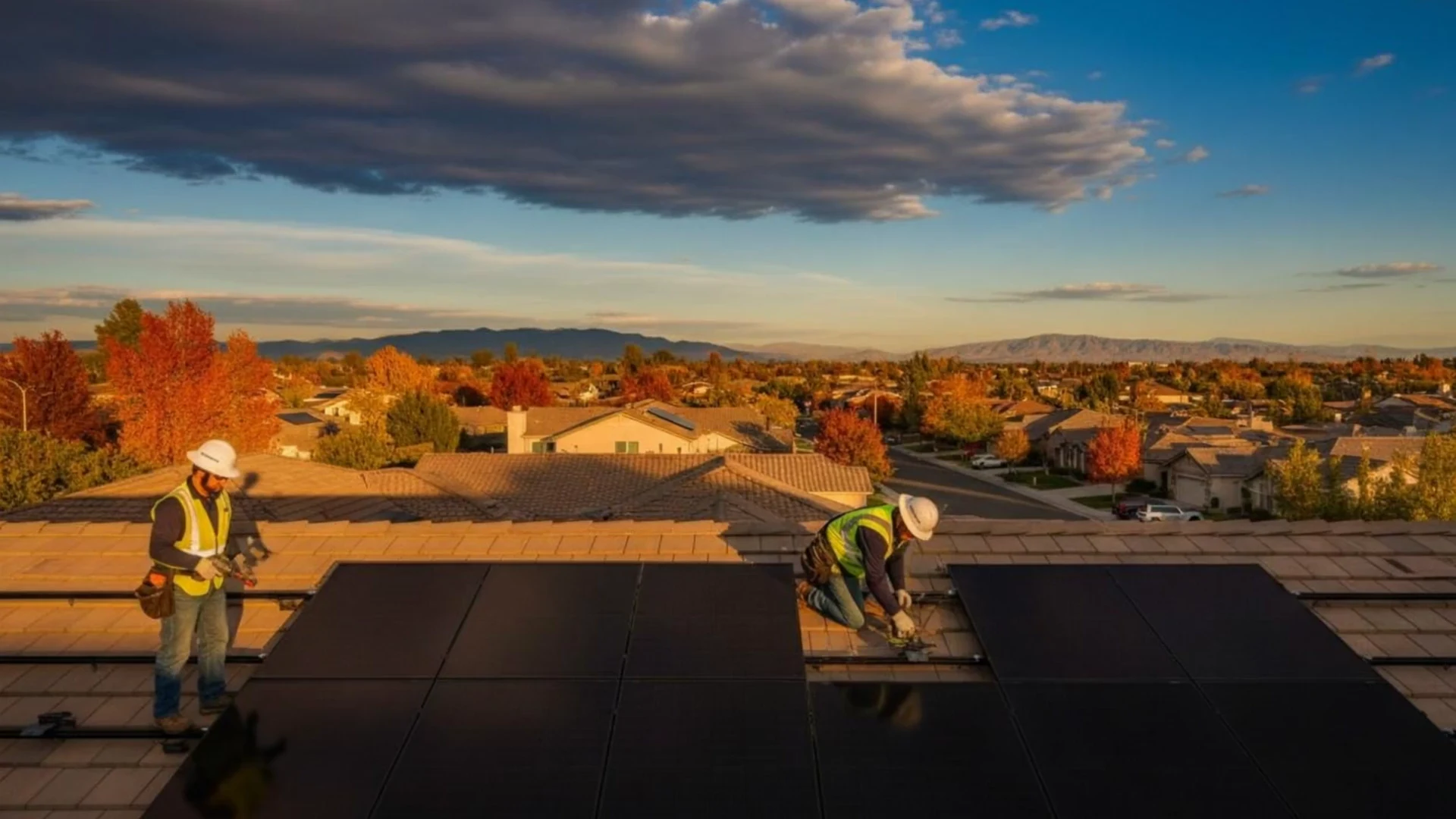
Solar Panel Removal & Reinstallation in Wellington, FL
America’s #1 Choice for Energy Independence
We handle removal, storage, and reinstallation — coordinating with your roofer so your project runs smoothly from start to finish.
By submitting or calling, you consent to receive calls and SMS from The Light Group USA at the number provided, including via auto-dialer or pre-recorded messages. Consent is not required for purchase. Msg/data rates may apply. Reply STOP to opt out. See our Privacy Policy.

Protect your roof and your solar investment
Let professionals handle your solar panel removal the right way.
By submitting or calling, you consent to receive calls and SMS from The Light Group USA at the number provided, including via auto-dialer or pre-recorded messages. Consent is not required for purchase. Msg/data rates may apply. Reply STOP to opt out. See our Privacy Policy.
Panel removal and reinstall in Wellington
Properties around the polo club are large, and so are the roofs on them. Arrays here are often big and sometimes split between a house and a barn or a detached garage, and those structures rarely need re-roofing at the same time. That turns one removal into a staged project with its own order of operations rather than a single morning with a ladder and a socket set.
Wellington is well inland, so salt is not part of the picture here. Heat is. Modules and inverters derate as the day gets hot, and dust off paddocks and drives settles into a film alongside the pollen, cutting output with no error code attached to it. With the array down, cleaning, a look at the back of each laminate and a real inspection of the inverter are cheap additions.
Much of the village is governed by associations, and the Village of Wellington issues permits for addresses inside its limits while Palm Beach County handles what falls outside. Both matter on a reinstall. The association cares what the finished roof looks like from the street, and the building department cares that attachments and electrical work were inspected before the system is energized again.
Space is the one thing large properties reliably have, so storage tends to be easier here: a dry barn bay or a garage beats a crowded driveway. Panels still go into racks, upright and separated, never flat and stacked. FPL restores the retail-rate credit when the system comes back online, and the whole sequence gets booked around the roofing calendar weeks in advance.
On a Wellington removal we get these right
Common questions about solar service in Wellington
No, and usually it should not. Each roof is handled on its own schedule so only the structure being re-roofed loses production, and storage is not overwhelmed by two arrays at the same time. It does mean two removals and two reinstalls, which is planned and priced as one staged project.
If the address is inside village limits, yes, the permit is filed there; addresses outside go to Palm Beach County. In Florida a removal and reinstallation generally requires one because the roof is re-penetrated and the electrical is disconnected and reconnected. An inspection follows before the system is energized again.
Not for the equipment, provided it is stored upright, dry and secured. The cost is production: with the system offline, FPL bills full retail usage for the whole period. That is why removal is booked tight against the roofing start and reinstallation against its completion rather than left open ended.
It is the logical time. Strings can be tested individually, modules cleaned of dust and pollen, connectors inspected and re-seated, corroded or worn hardware replaced, and the inverter checked properly. Doing any of that as a separate visit means paying twice for the same access to the roof.
No. Crews operate out of Orlando and Tampa and travel to Palm Beach County on scheduled dates. That suits this work, which is planned around a roofing calendar with a defined window rather than dispatched on short notice. Anything needing same-day attention is better handled by a local emergency service.
Other solar work we do here
Panel Removal & Reinstallation near Wellington
Crews based in Orlando and Tampa, covering 217 cities statewide.
South Florida
- Aventura
- Belle Glade
- Boca Raton
- Boynton Beach
- Coconut Creek
- Cooper City
- Coral Gables
- Coral Springs
- Cutler Bay
- Dania Beach
- Davie
- Deerfield Beach
- Delray Beach
- Doral
- Fort Lauderdale
- Greenacres
- Hallandale Beach
- Hialeah
- Hialeah Gardens
- Hollywood
- Homestead
- Jupiter
- Lake Worth Beach
- Lauderdale Lakes
- Lauderhill
- Margate
- Miami
- Miami Beach
- Miami Gardens
- Miami Lakes
- Miramar
- North Lauderdale
- North Miami
- North Miami Beach
- Oakland Park
- Opa-locka
- Palm Beach Gardens
- Palm Springs
- Palmetto Bay
- Parkland
- Pembroke Pines
- Pinecrest
- Plantation
- Pompano Beach
- Riviera Beach
- Royal Palm Beach
- Sunny Isles Beach
- Sunrise
- Sweetwater
- Tamarac
- Wellington
- West Palm Beach
- West Park
- Weston
We also cover Florida Panhandle, North Florida, Northeast Florida, Central Florida, Space Coast, Tampa Bay, Southwest Florida, Treasure Coast. See every Florida city we service.