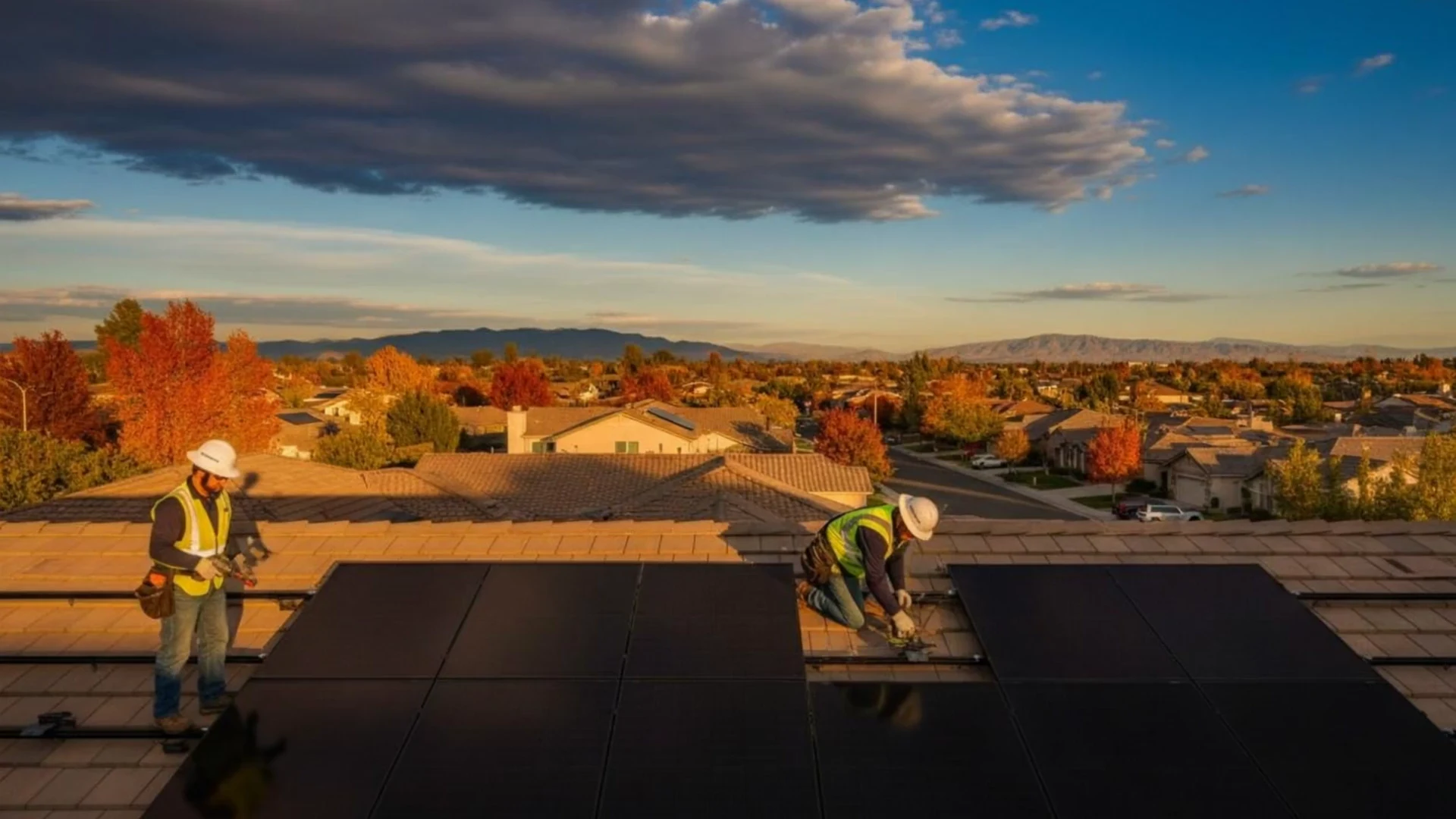
Solar Panel Removal & Reinstallation in Coconut Creek, FL
America’s #1 Choice for Energy Independence
We handle removal, storage, and reinstallation — coordinating with your roofer so your project runs smoothly from start to finish.
By submitting or calling, you consent to receive calls and SMS from The Light Group USA at the number provided, including via auto-dialer or pre-recorded messages. Consent is not required for purchase. Msg/data rates may apply. Reply STOP to opt out. See our Privacy Policy.

Protect your roof and your solar investment
Let professionals handle your solar panel removal the right way.
By submitting or calling, you consent to receive calls and SMS from The Light Group USA at the number provided, including via auto-dialer or pre-recorded messages. Consent is not required for purchase. Msg/data rates may apply. Reply STOP to opt out. See our Privacy Policy.
Panel removal and reinstall in Coconut Creek
Coconut Creek was laid out in planned communities, and planned communities re-roof in waves. When one section reaches the end of its roof life, the streets around it are usually close behind. Homeowners near Sample Road and Tradewinds Park often learn that the array is in the way only after the roofing contract is signed and the shingle order has been placed with a start date attached.
Association rules add a step that does not exist in unplatted neighborhoods. Putting the system back exactly the way it was approved is normally routine. A changed layout, a different rail finish, a relocated conduit run on a visible wall, or panels moved onto a street-facing plane is not. The reinstall gets planned around what the board originally approved so the finished roof surprises nobody.
Broward County sits in the High-Velocity Hurricane Zone, so roof attachments answer to product approval requirements most of the country never encounters. A reinstall is not a free pass on that. Everything that goes back through the roof is treated as new work, permitted through the city or the county depending on the address, and inspected before the system is energized again.
Service is FPL, which credits exported energy at the retail rate, one for one. That credit stops the moment the array is disconnected, which is the real cost of a long gap in the middle of a Florida summer. The reinstall is scheduled against the roofer's finish date rather than stacked behind other jobs, and the interconnection is confirmed back in order once the reinspection clears.
On a Coconut Creek removal we get these right
Common questions about solar service in Coconut Creek
Usually only if something visible changes. Taking an approved array off and putting it back in the same configuration is generally handled as maintenance, while a new layout, different hardware or a relocated conduit run typically goes back through architectural review. The safe order is to check the original approval first and ask the board before the array comes down.
Technically yes, and sometimes it makes sense after a re-roof changes vents or skylights. But it turns the reinstall into a redesign: new attachment points, a new string layout, possibly a new permit drawing, and in a Coconut Creek association a new architectural approval. That decision belongs before removal day.
The existing interconnection agreement generally stays with the address, so an unchanged system going back the way it was does not restart the process from zero. What does matter is the permit and the reinspection. If the array size, layout or inverter changes, the utility side has to be updated before the system is energized.
Manufacturer warranties on the modules and the inverter follow the equipment, not the installer, and they generally survive a professional removal. What they do not cover is damage caused by handling, which is why microcracks matter. Workmanship coverage from the original installer is the piece most likely to be gone already.
As soon as the roofing date exists. Removal, the roof itself and reinstallation are three fixed points that have to line up, and the reinspection sits between the last one and the system running again. Crews travel in from Orlando and Tampa on scheduled dates, so an early booking is what keeps the down window short.
Other solar work we do here
Panel Removal & Reinstallation near Coconut Creek
Crews based in Orlando and Tampa, covering 217 cities statewide.
South Florida
- Aventura
- Belle Glade
- Boca Raton
- Boynton Beach
- Coconut Creek
- Cooper City
- Coral Gables
- Coral Springs
- Cutler Bay
- Dania Beach
- Davie
- Deerfield Beach
- Delray Beach
- Doral
- Fort Lauderdale
- Greenacres
- Hallandale Beach
- Hialeah
- Hialeah Gardens
- Hollywood
- Homestead
- Jupiter
- Lake Worth Beach
- Lauderdale Lakes
- Lauderhill
- Margate
- Miami
- Miami Beach
- Miami Gardens
- Miami Lakes
- Miramar
- North Lauderdale
- North Miami
- North Miami Beach
- Oakland Park
- Opa-locka
- Palm Beach Gardens
- Palm Springs
- Palmetto Bay
- Parkland
- Pembroke Pines
- Pinecrest
- Plantation
- Pompano Beach
- Riviera Beach
- Royal Palm Beach
- Sunny Isles Beach
- Sunrise
- Sweetwater
- Tamarac
- Wellington
- West Palm Beach
- West Park
- Weston
We also cover Florida Panhandle, North Florida, Northeast Florida, Central Florida, Space Coast, Tampa Bay, Southwest Florida, Treasure Coast. See every Florida city we service.