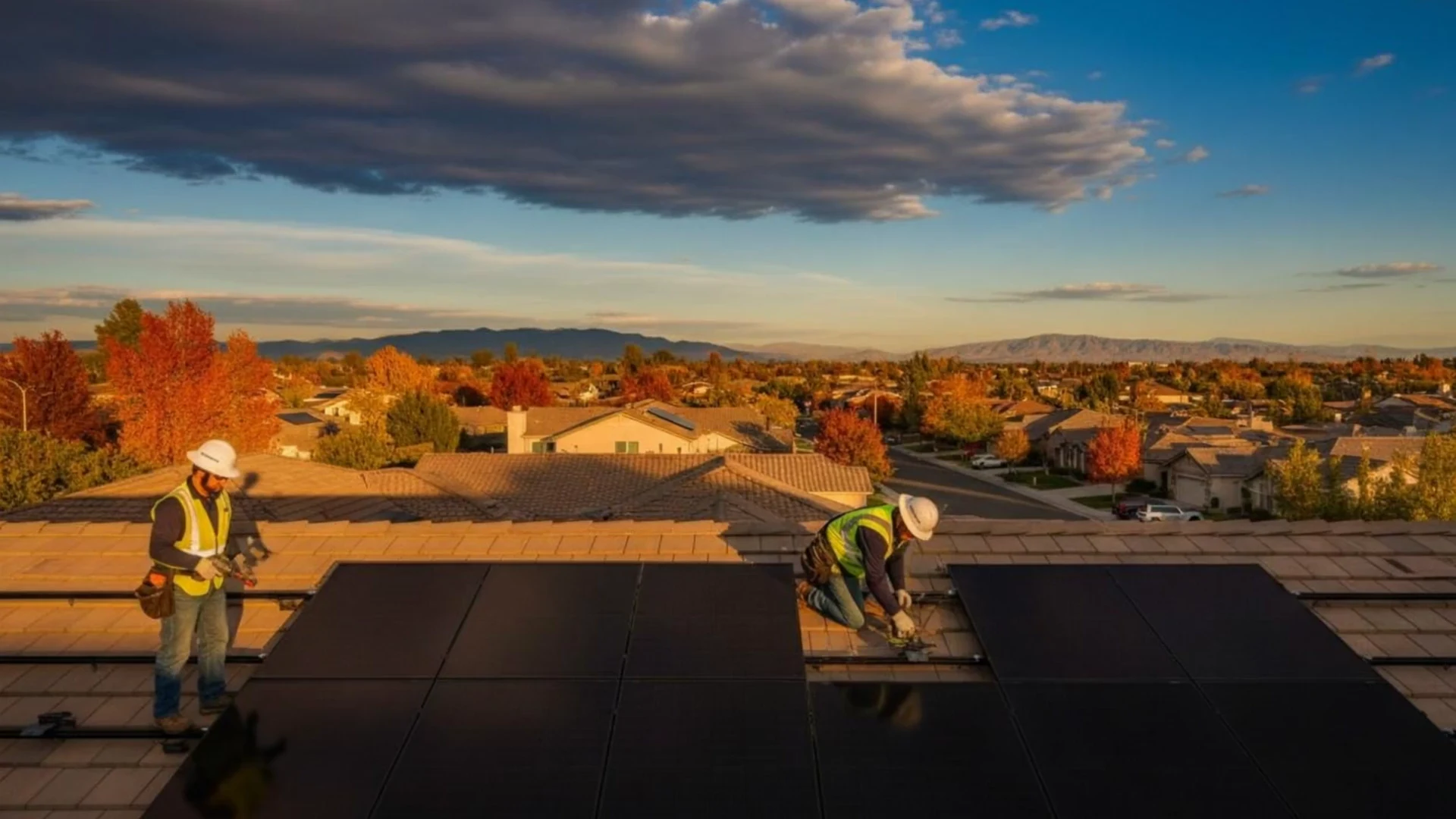
Solar Panel Removal & Reinstallation in Tamarac, FL
America’s #1 Choice for Energy Independence
We handle removal, storage, and reinstallation — coordinating with your roofer so your project runs smoothly from start to finish.
By submitting or calling, you consent to receive calls and SMS from The Light Group USA at the number provided, including via auto-dialer or pre-recorded messages. Consent is not required for purchase. Msg/data rates may apply. Reply STOP to opt out. See our Privacy Policy.

Protect your roof and your solar investment
Let professionals handle your solar panel removal the right way.
By submitting or calling, you consent to receive calls and SMS from The Light Group USA at the number provided, including via auto-dialer or pre-recorded messages. Consent is not required for purchase. Msg/data rates may apply. Reply STOP to opt out. See our Privacy Policy.
Panel removal and reinstall in Tamarac
Tamarac spreads across west Broward on either side of Commercial Boulevard, about 74,000 people in 33319 and 33321, four miles back from the ocean. That distance changes the job. Salt matters far less here than it does on the beach, while heat, afternoon storms and wind uplift matter more. When one of these roofs gets replaced, the array on it comes down first, and that is not a roofing task.
Sequence is where these jobs succeed or fail. Removal has to happen before the tear-off, the reinstall has to wait until the new roof passes its own inspection, and the two contractors need one agreed calendar. Homeowners usually discover this after signing the roofing contract, when the roofer explains that live PV sits outside their license and their insurance. By then the tear-off date is usually already fixed.
Four miles inland, the array's enemies are heat and wind rather than salt. Modules run hot through the summer and output sags with temperature, which is normal derate and not failure. What matters at reinstall is that standoff height and the airflow behind the modules are restored, and that the attachment pattern is rebuilt to the racking manufacturer's tables rather than to whatever was there before.
FPL serves the address and credits exported power at the retail rate, so the system's value depends on it coming back correctly interconnected. Tamarac is incorporated, so permits generally run through the city rather than Broward County, and an electrical reinspection closes the job. It is planned work with fixed dates, which is exactly how it is covered from Orlando and Tampa.
On a Tamarac removal we get these right
Common questions about solar service in Tamarac
Almost never. Removing an array means isolating a DC source, disconnecting at the inverter and unbolting racking attached to the structure, which sits outside a roofing license and usually outside the roofer's insurance. The two trades work in sequence on the same roof, and that sequence is agreed before either starts.
It shifts what matters. Four miles from the ocean, hardware corrosion is a much smaller factor than on the beach, and heat and wind attachment are bigger ones. Removals here spend less time replacing pitted lugs and more on rebuilding the attachment pattern and restoring the airflow gap behind the modules.
Generally yes, separate from the roofing permit. Tamarac is incorporated, so it normally runs through the city rather than Broward County, and it carries an electrical reinspection once the array is back up. Until that inspection is signed the job is not closed, whatever the system happens to be producing.
Sometimes it makes sense, since the labor to get up there is already being paid for. Adding modules or changing the inverter is a modification, though, and it goes to FPL as a change to the approved interconnection before the system is energized. That paperwork takes time, so the decision is made early.
The closed permit including its electrical reinspection, photographs of the new flashings taken before modules were set, torque values from the reinstall, a string map, and confirmation that monitoring reports under your own account. Those are the documents a warranty claim or the next technician will ask for.
Other solar work we do here
Panel Removal & Reinstallation near Tamarac
Crews based in Orlando and Tampa, covering 217 cities statewide.
South Florida
- Aventura
- Belle Glade
- Boca Raton
- Boynton Beach
- Coconut Creek
- Cooper City
- Coral Gables
- Coral Springs
- Cutler Bay
- Dania Beach
- Davie
- Deerfield Beach
- Delray Beach
- Doral
- Fort Lauderdale
- Greenacres
- Hallandale Beach
- Hialeah
- Hialeah Gardens
- Hollywood
- Homestead
- Jupiter
- Lake Worth Beach
- Lauderdale Lakes
- Lauderhill
- Margate
- Miami
- Miami Beach
- Miami Gardens
- Miami Lakes
- Miramar
- North Lauderdale
- North Miami
- North Miami Beach
- Oakland Park
- Opa-locka
- Palm Beach Gardens
- Palm Springs
- Palmetto Bay
- Parkland
- Pembroke Pines
- Pinecrest
- Plantation
- Pompano Beach
- Riviera Beach
- Royal Palm Beach
- Sunny Isles Beach
- Sunrise
- Sweetwater
- Tamarac
- Wellington
- West Palm Beach
- West Park
- Weston
We also cover Florida Panhandle, North Florida, Northeast Florida, Central Florida, Space Coast, Tampa Bay, Southwest Florida, Treasure Coast. See every Florida city we service.