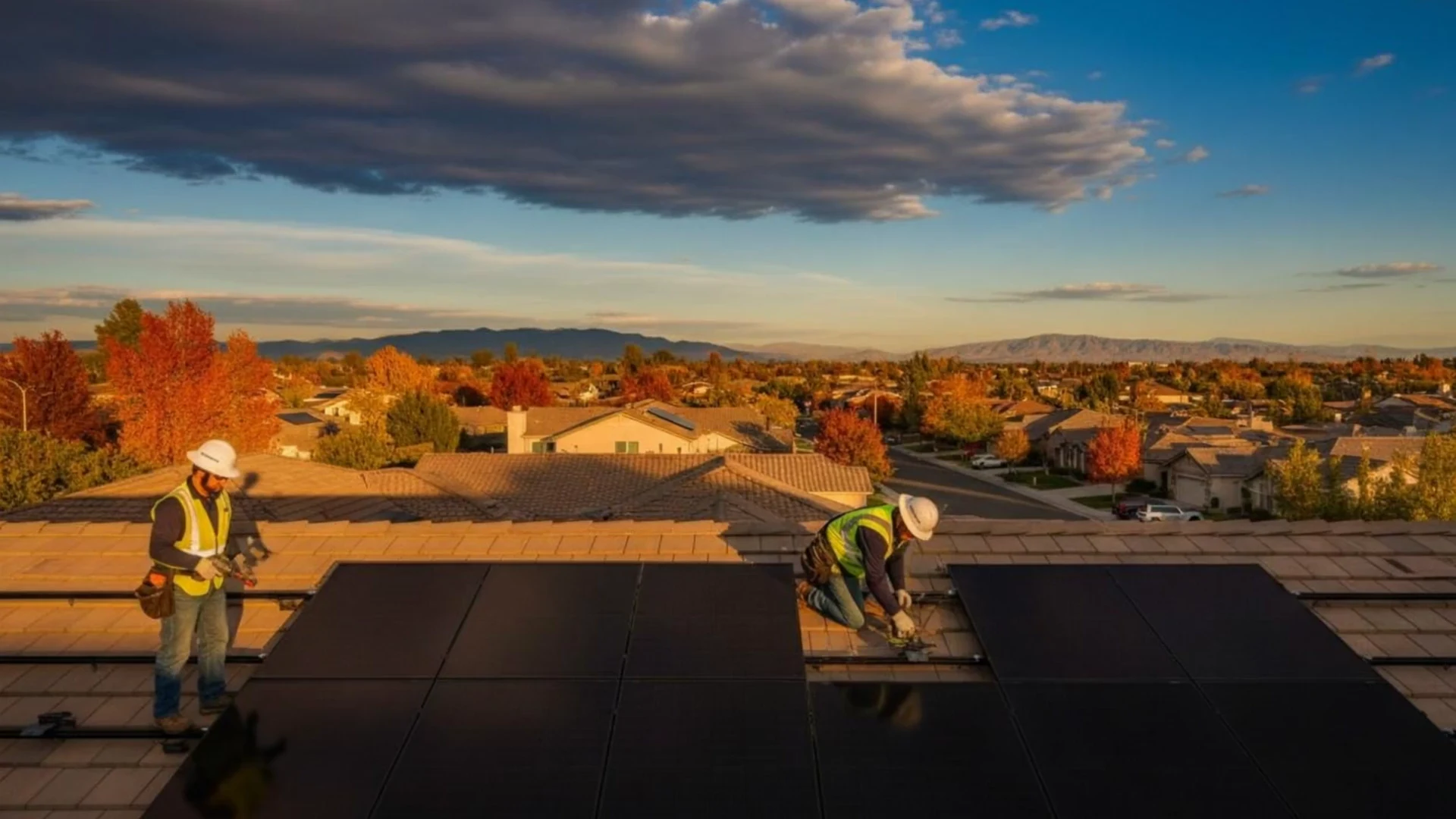
Solar Panel Removal & Reinstallation in Boynton Beach, FL
America’s #1 Choice for Energy Independence
We handle removal, storage, and reinstallation — coordinating with your roofer so your project runs smoothly from start to finish.
By submitting or calling, you consent to receive calls and SMS from The Light Group USA at the number provided, including via auto-dialer or pre-recorded messages. Consent is not required for purchase. Msg/data rates may apply. Reply STOP to opt out. See our Privacy Policy.

Protect your roof and your solar investment
Let professionals handle your solar panel removal the right way.
By submitting or calling, you consent to receive calls and SMS from The Light Group USA at the number provided, including via auto-dialer or pre-recorded messages. Consent is not required for purchase. Msg/data rates may apply. Reply STOP to opt out. See our Privacy Policy.
Panel removal and reinstall in Boynton Beach
Ocean Avenue runs east from downtown Boynton Beach to the Intracoastal, and the blocks on either side of it hold thousands of roofs now reaching the end of their service life. When one of those roofs is replaced, the array bolted to it has to come down first and go back after. That sequence, not a fault in the system, is what brings most homeowners here looking for a solar removal crew.
The call usually comes after two conversations have gone badly. The roofing contractor confirms a tear-off date and mentions that his crew will not touch solar. The company that installed the array does not answer, or no longer exists. What is left is a homeowner holding two trades that have to meet on the same roof, in a fixed order, with someone accountable for the wiring in between.
Storage is the question nobody asks until the panels are off. A roof replacement across 33426, 33435 or 33436 can run days or weeks, and a full array needs somewhere dry, upright and out of traffic for all of it. Leaving modules stacked flat in a driveway or leaned against a fence is how a system with no visible damage comes back producing less than it did.
Boynton Beach sits essentially on the water, so the parts that suffer are the rails, grounding lugs, clamp bolts and MC4 shells, corroding inside their housings where nothing shows from the ground. Florida Power & Light serves the address and credits exported power at the retail rate, and that arrangement does not change because an array came down and went back up.
On a Boynton Beach removal we get these right
Common questions about solar service in Boynton Beach
Almost always, yes. In Florida a removal and reinstallation is permitted work with an electrical reinspection at the end. Which office issues it depends on whether your address is inside the city limits or in unincorporated Palm Beach County, and that is confirmed by address before any dates are set.
Into dry, covered storage on your property, stored on edge with separators between them rather than stacked flat. Modules do not degrade from sitting; they get damaged from being leaned, stacked or walked past. The storage plan is agreed before removal starts, not improvised the morning the crew arrives.
No. Putting the same array back on the same house does not create a new interconnection. FPL credits exported energy at the retail rate, and that stays as it is. What has to match afterward is the paperwork: labeling, inspection sign-off and system documentation describing what is now on the roof.
Sometimes, but it is not the goal. After a tear-off the deck and the course layout change, so each mount is placed where it lands in a rafter and can be flashed under the shingle course above it. Reusing an old hole that no longer lines up with framing is worse than drilling a new one.
As soon as the roofing date exists. This is planned work, not emergency work, which is why it can be covered from Orlando or Tampa on a booked window. The expensive version is calling after the tear-off has started and leaving an open roof waiting for a solar crew.
Other solar work we do here
Panel Removal & Reinstallation near Boynton Beach
Crews based in Orlando and Tampa, covering 217 cities statewide.
South Florida
- Aventura
- Belle Glade
- Boca Raton
- Boynton Beach
- Coconut Creek
- Cooper City
- Coral Gables
- Coral Springs
- Cutler Bay
- Dania Beach
- Davie
- Deerfield Beach
- Delray Beach
- Doral
- Fort Lauderdale
- Greenacres
- Hallandale Beach
- Hialeah
- Hialeah Gardens
- Hollywood
- Homestead
- Jupiter
- Lake Worth Beach
- Lauderdale Lakes
- Lauderhill
- Margate
- Miami
- Miami Beach
- Miami Gardens
- Miami Lakes
- Miramar
- North Lauderdale
- North Miami
- North Miami Beach
- Oakland Park
- Opa-locka
- Palm Beach Gardens
- Palm Springs
- Palmetto Bay
- Parkland
- Pembroke Pines
- Pinecrest
- Plantation
- Pompano Beach
- Riviera Beach
- Royal Palm Beach
- Sunny Isles Beach
- Sunrise
- Sweetwater
- Tamarac
- Wellington
- West Palm Beach
- West Park
- Weston
We also cover Florida Panhandle, North Florida, Northeast Florida, Central Florida, Space Coast, Tampa Bay, Southwest Florida, Treasure Coast. See every Florida city we service.