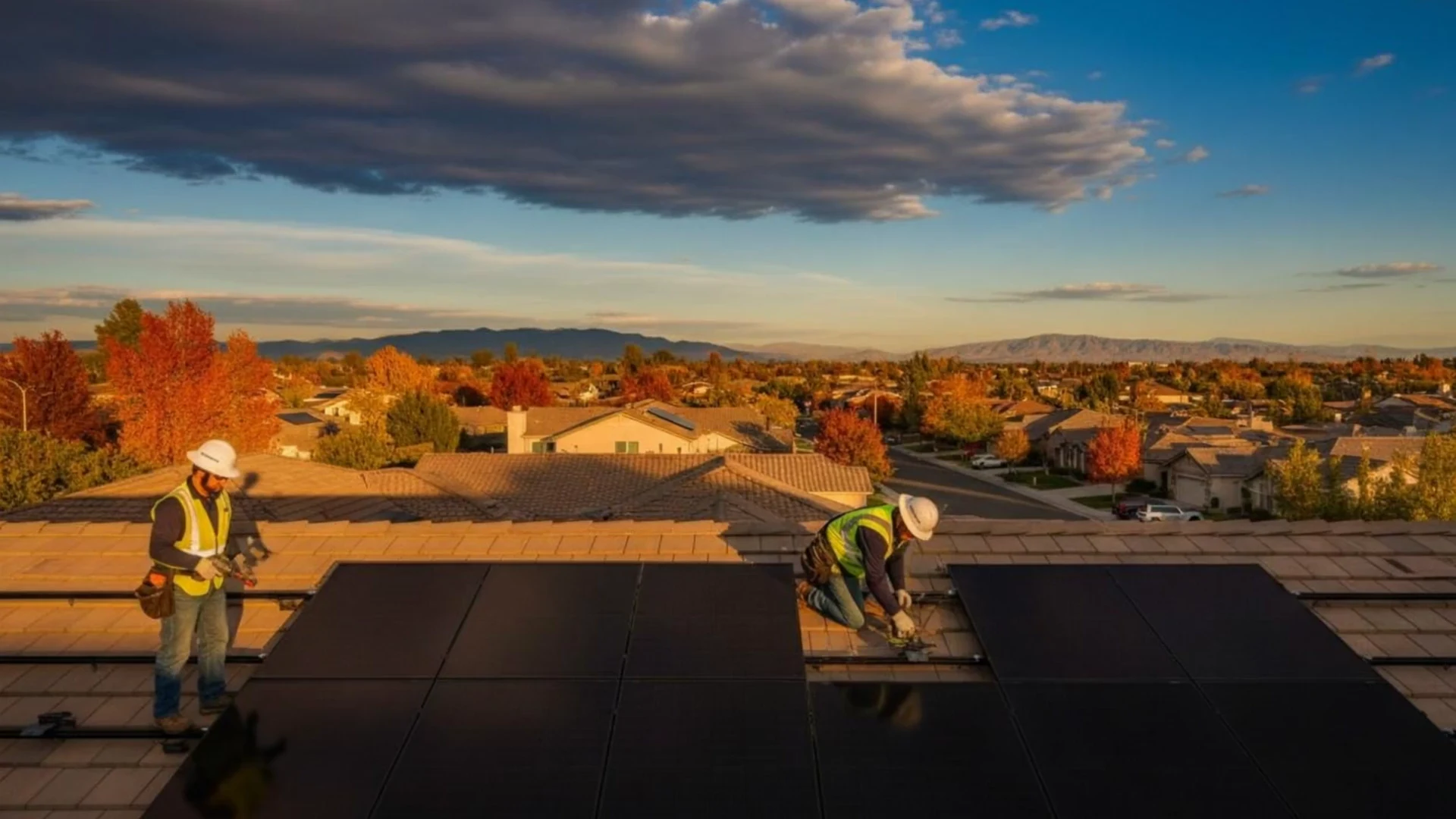
Solar Panel Removal & Reinstallation in Miami Beach, FL
America’s #1 Choice for Energy Independence
We handle removal, storage, and reinstallation — coordinating with your roofer so your project runs smoothly from start to finish.
By submitting or calling, you consent to receive calls and SMS from The Light Group USA at the number provided, including via auto-dialer or pre-recorded messages. Consent is not required for purchase. Msg/data rates may apply. Reply STOP to opt out. See our Privacy Policy.

Protect your roof and your solar investment
Let professionals handle your solar panel removal the right way.
By submitting or calling, you consent to receive calls and SMS from The Light Group USA at the number provided, including via auto-dialer or pre-recorded messages. Consent is not required for purchase. Msg/data rates may apply. Reply STOP to opt out. See our Privacy Policy.
Panel removal and reinstall in Miami Beach
Miami Beach is a barrier island, and Ocean Drive through the Art Deco district is a reasonable picture of the conditions your array works in: ocean air on every side, all year. Salt reaches the rails, the bolts, the grounding lugs and the connector housings long before it does anything visible to the glass, and it does that work where no one can see it from the street.
The trigger is almost always the roof. A homeowner lines up a roof replacement, reads the clause excluding solar from the roofer's scope, and then finds that the company that installed the system has closed. What follows is a scheduling problem with three parties in it, and the array is the piece nobody has claimed. Until somebody does, the roofing crew has no start date.
Space is the scarce resource on an island. Panels need somewhere protected to live for the days or weeks a reroof takes, and a driveway on a narrow street between neighbors is rarely it. Storage gets agreed before removal day, along with staging and access, because a crew that cannot park cannot unload racks and hardware in an orderly way.
Miami-Dade sits in the state's high-velocity hurricane zone, so attachment details on a reinstalled array get looked at closely, and hurricane season runs from June through November. Florida Power and Light serves Miami Beach and credits exports at the retail rate. This is scheduled work covered from Orlando and Tampa, planned around the roofing calendar rather than the weather forecast.
On a Miami Beach removal we get these right
Common questions about solar service in Miami Beach
Wherever it is protected, and it is decided before removal day. Modules are racked upright on edge, never stacked flat, kept off the ground, covered and out of the salt air, with hardware bagged by row. On tight Miami Beach lots that usually means a garage, an interior space, or a container placed with parking arrangements sorted in advance.
In Florida this work generally requires a permit and a reinspection afterward, and Miami Beach addresses go through the city building department. Attachment and wind-load details receive close attention in the high-velocity hurricane zone, which is one more reason the reinstallation should be planned as its own scope rather than treated as a reversal of the removal.
It can be done between June and November, but the exposure is the open roof, not the array. The safest approach is to keep the window short: removal immediately before the tear-off, reinstallation as soon as the roof is finished and dry. Long gaps with a partially completed roof are what turn a forecast into a problem.
It should not, as long as the system goes back as it was and the utility is notified through the normal channel. FPL credits exported power at the retail rate. If module count or inverter capacity changes while the array is off, that is a modification to the interconnection and it needs filing rather than being handled informally.
Roofers in Miami-Dade almost always exclude it, and the exclusion protects both of you. Detaching an array means live DC conductors, a proper inverter shutdown, glass that cracks without showing it, and connectors that must be re-terminated in matching brands. Equipment handled by a roofing crew also weakens any later warranty claim on modules or inverter.
Other solar work we do here
Panel Removal & Reinstallation near Miami Beach
Crews based in Orlando and Tampa, covering 217 cities statewide.
South Florida
- Aventura
- Belle Glade
- Boca Raton
- Boynton Beach
- Coconut Creek
- Cooper City
- Coral Gables
- Coral Springs
- Cutler Bay
- Dania Beach
- Davie
- Deerfield Beach
- Delray Beach
- Doral
- Fort Lauderdale
- Greenacres
- Hallandale Beach
- Hialeah
- Hialeah Gardens
- Hollywood
- Homestead
- Jupiter
- Lake Worth Beach
- Lauderdale Lakes
- Lauderhill
- Margate
- Miami
- Miami Beach
- Miami Gardens
- Miami Lakes
- Miramar
- North Lauderdale
- North Miami
- North Miami Beach
- Oakland Park
- Opa-locka
- Palm Beach Gardens
- Palm Springs
- Palmetto Bay
- Parkland
- Pembroke Pines
- Pinecrest
- Plantation
- Pompano Beach
- Riviera Beach
- Royal Palm Beach
- Sunny Isles Beach
- Sunrise
- Sweetwater
- Tamarac
- Wellington
- West Palm Beach
- West Park
- Weston
We also cover Florida Panhandle, North Florida, Northeast Florida, Central Florida, Space Coast, Tampa Bay, Southwest Florida, Treasure Coast. See every Florida city we service.