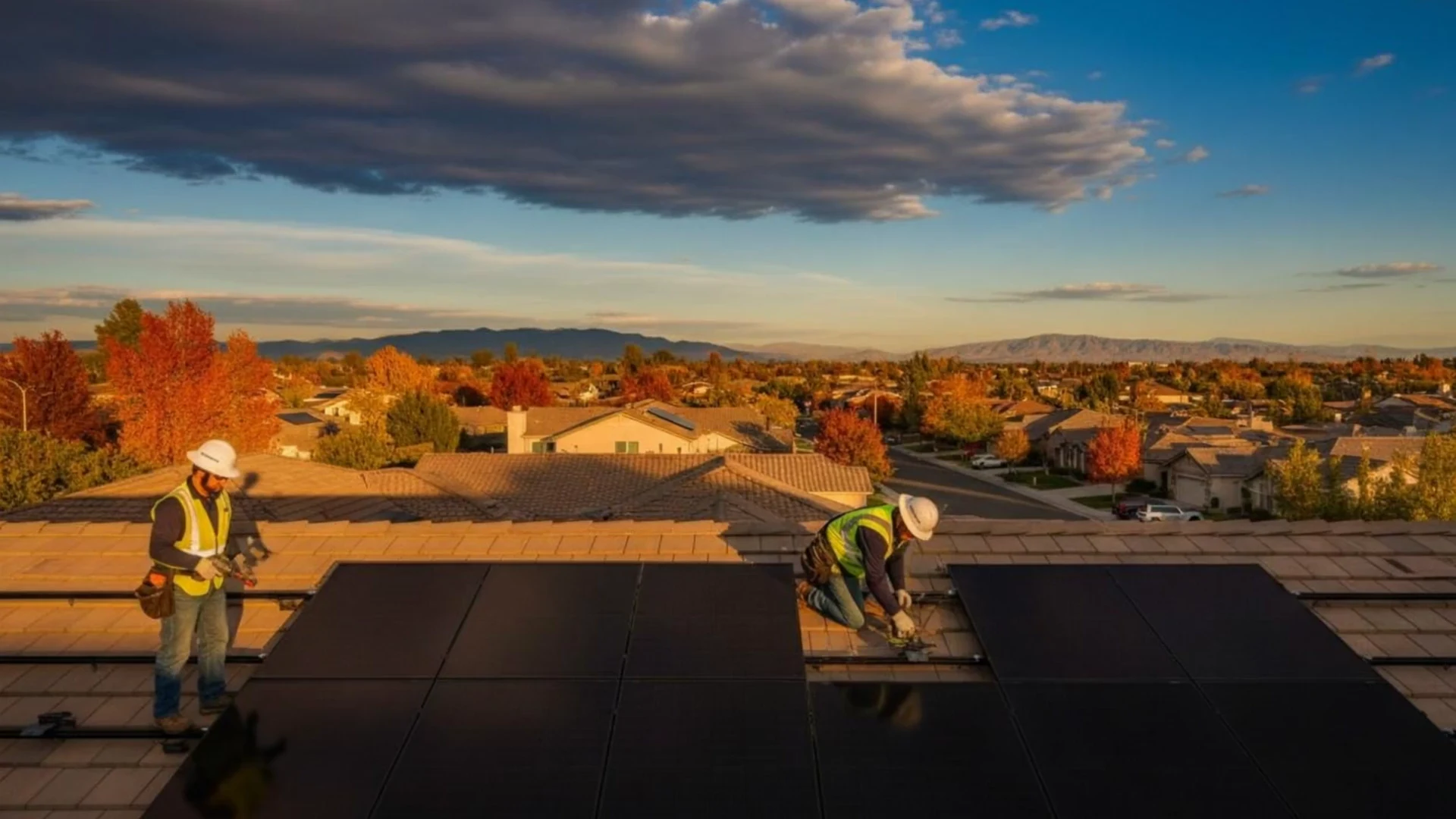
Solar Panel Removal & Reinstallation in Riviera Beach, FL
America’s #1 Choice for Energy Independence
We handle removal, storage, and reinstallation — coordinating with your roofer so your project runs smoothly from start to finish.
By submitting or calling, you consent to receive calls and SMS from The Light Group USA at the number provided, including via auto-dialer or pre-recorded messages. Consent is not required for purchase. Msg/data rates may apply. Reply STOP to opt out. See our Privacy Policy.

Protect your roof and your solar investment
Let professionals handle your solar panel removal the right way.
By submitting or calling, you consent to receive calls and SMS from The Light Group USA at the number provided, including via auto-dialer or pre-recorded messages. Consent is not required for purchase. Msg/data rates may apply. Reply STOP to opt out. See our Privacy Policy.
Panel removal and reinstall in Riviera Beach
Riviera Beach has water on both sides, from the ocean to the Intracoastal under the Blue Heron Bridge, and salt arrives from every direction. It does not attack the glass. It attacks the aluminum, the stainless and the copper: rail channels, grounding lugs, clamp hardware and the crimped barrels inside connectors. On a roof, none of that is visible. During a removal, all of it is in your hands, which makes a re-roof the most useful inspection an array will ever get.
The trigger is almost always the roof. A homeowner signs a replacement contract, then discovers the roofing company excludes anything attached to the deck, and the original solar installer has closed. That leaves a permitted electrical system sitting on top of a job that cannot start. Removal and reinstallation is a distinct trade with its own permit, its own sequence and its own liability, and it belongs in the plan before the tear-off date is set.
Florida Power and Light serves the city and credits exported energy at the retail rate, one for one. That part is uncomplicated. The part that needs care is attachment. On a coastal roof, mount spacing, fastener selection and clamp torque are what keep an array where it belongs when weather arrives, and reinstalling with the same hardware that just spent years in salt air is not automatically the right call.
Timing deserves a place in the conversation. Hurricane season runs June first through November thirtieth, and the exposure during a re-roof is the open deck, not the panels sitting safely in racks. Because removal and reinstallation is scheduled work covered from Orlando or Tampa on planned dates, most homeowners have room to choose their window rather than accept whatever week the tear-off happens to land on.
On a Riviera Beach removal we get these right
Common questions about solar service in Riviera Beach
Outside the June first through November thirtieth hurricane season when your roofing schedule allows it. The exposure during a re-roof is the open deck rather than the panels, which sit safely in racks. Since removal and reinstallation is planned work with committed dates, the window can usually be chosen. If the work must happen in season, the exposed period is kept as short as possible.
Often, at least in part. Salt attacks the metal components rather than the glass, so grounding lugs, fasteners, clamps and connector crimps are the parts that degrade first, frequently inside the assembly where nothing is visible from the ground. Each is inspected once the array is down. Sound rail is reused; corroded or seized hardware is replaced before anything is torqued onto a new roof.
Usually yes, but the mounting system changes with it. Attachments, flashing details and fastener patterns are specific to the surface, so moving from one material to another means new mounts and a revised plan rather than reusing the old ones. This is decided before removal, since the permit and the reinstallation quote both depend on the finished roof material.
Potentially your insurer, the equipment manufacturers and the building department. A permitted removal and reinstallation with a closing inspection creates an official record. Photographs of the array, the exposed deck and each reinstalled attachment support warranty claims later, because after a third party touches an array the first question anyone asks is who did what, and when.
The solar work is normally a day at each end; the roof determines everything in between. A straightforward replacement may put the array back within a week, while structural repairs or material delays can stretch it to several weeks. Your system produces nothing during that window, so you are on full utility supply until reconnection and inspection are complete.
Other solar work we do here
Panel Removal & Reinstallation near Riviera Beach
Crews based in Orlando and Tampa, covering 217 cities statewide.
South Florida
- Aventura
- Belle Glade
- Boca Raton
- Boynton Beach
- Coconut Creek
- Cooper City
- Coral Gables
- Coral Springs
- Cutler Bay
- Dania Beach
- Davie
- Deerfield Beach
- Delray Beach
- Doral
- Fort Lauderdale
- Greenacres
- Hallandale Beach
- Hialeah
- Hialeah Gardens
- Hollywood
- Homestead
- Jupiter
- Lake Worth Beach
- Lauderdale Lakes
- Lauderhill
- Margate
- Miami
- Miami Beach
- Miami Gardens
- Miami Lakes
- Miramar
- North Lauderdale
- North Miami
- North Miami Beach
- Oakland Park
- Opa-locka
- Palm Beach Gardens
- Palm Springs
- Palmetto Bay
- Parkland
- Pembroke Pines
- Pinecrest
- Plantation
- Pompano Beach
- Riviera Beach
- Royal Palm Beach
- Sunny Isles Beach
- Sunrise
- Sweetwater
- Tamarac
- Wellington
- West Palm Beach
- West Park
- Weston
We also cover Florida Panhandle, North Florida, Northeast Florida, Central Florida, Space Coast, Tampa Bay, Southwest Florida, Treasure Coast. See every Florida city we service.