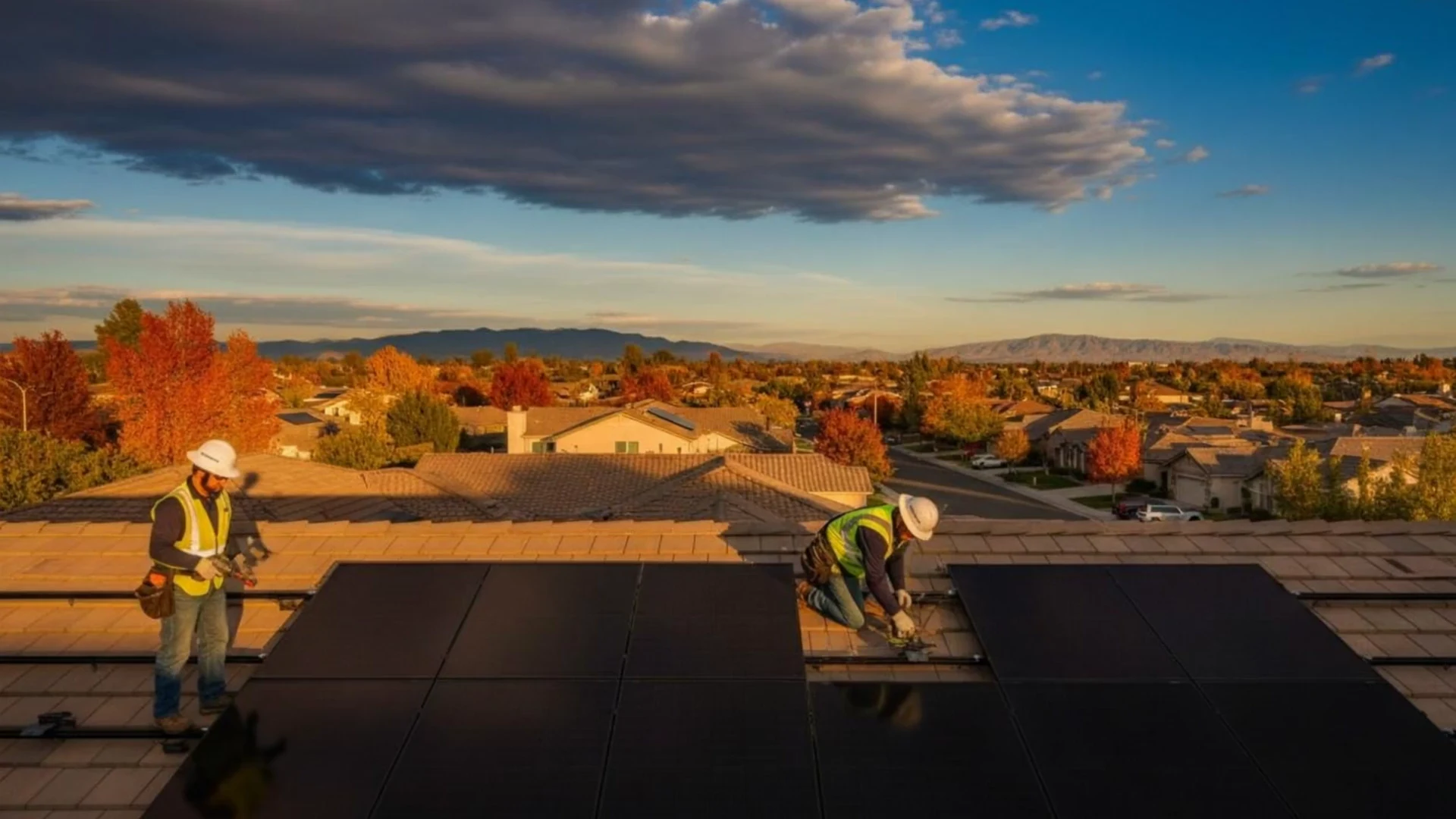
Solar Panel Removal & Reinstallation in Sunrise, FL
America’s #1 Choice for Energy Independence
We handle removal, storage, and reinstallation — coordinating with your roofer so your project runs smoothly from start to finish.
By submitting or calling, you consent to receive calls and SMS from The Light Group USA at the number provided, including via auto-dialer or pre-recorded messages. Consent is not required for purchase. Msg/data rates may apply. Reply STOP to opt out. See our Privacy Policy.

Protect your roof and your solar investment
Let professionals handle your solar panel removal the right way.
By submitting or calling, you consent to receive calls and SMS from The Light Group USA at the number provided, including via auto-dialer or pre-recorded messages. Consent is not required for purchase. Msg/data rates may apply. Reply STOP to opt out. See our Privacy Policy.
Panel removal and reinstall in Sunrise
Sunrise is the largest city in this group, spread west of Fort Lauderdale around Sawgrass Mills, and its subdivisions were not all built in the same decade. That shows up on the roofs: different assemblies, different ages, different array sizes bolted to them. A detach and reset here is not one standard job, it is whatever the specific roof and the specific system turn out to be once the panels come off.
Bigger houses tend to carry bigger arrays, and scale changes the work. More strings, more rails, more rows to label and more modules to move and store safely. A twelve-panel array can be handled loosely and usually survive it. A thirty-panel array handled the same way produces a handful of cracked cells nobody notices until a string quietly underperforms for years.
Twelve kilometers inland, salt is not the main enemy. Heat is, along with dust and pollen that build under the module edges where rain never rinses. With the array down for the roof, each panel gets cleaned and inspected properly, and the racking gets judged on its own merits rather than assumed sound because the system was still producing the week before the roofer arrived.
Sunrise is an incorporated city, so the detach-and-reset permit and the reinspection generally run through city review rather than Broward County. The work is booked from Orlando and Tampa as a scheduled window against the roofer's dates, which is realistic for a job that is never an emergency. FPL credits exports at the retail rate, so the schedule targets the shortest gap between last production and passed reinspection.
On a Sunrise removal we get these right
Common questions about solar service in Sunrise
Generally yes, because the work scales with panel count, string count and rail runs, and because storage and handling take longer. What does not scale is the paperwork: one permit and one reinspection cover the job. Ask for the quote to separate removal, storage, reinstall and any hardware replacement so the cost is legible.
Normally the licensed contractor performing the detach and reset pulls it, and in Sunrise it generally goes through city review. Homeowner-pulled permits shift responsibility onto you at inspection. Either way, confirm the permit is open before removal starts, since the reinspection date is what governs when the system can be energized.
It should be, if the same modules return to the same strings, connectors are fully seated and clamps are torqued correctly. That is why output is verified per string against the pre-removal baseline rather than by system total. A string returning noticeably low points to a handling or connection issue that is fixable immediately.
Only if the roof work is that short, which is rare. Removal is typically one visit, the roof takes days to weeks, and reinstall is a second visit once the new surface is finished and ready for attachments. The panels are stored safely in between, which is part of the scope rather than an afterthought.
That is exactly why storage is defined in writing before removal: where the panels are, who has access, and how they are stacked. Panels stored upright, separated and out of traffic rarely get damaged. When storage is improvised, responsibility becomes impossible to assign and the cost lands on the homeowner.
Other solar work we do here
Panel Removal & Reinstallation near Sunrise
Crews based in Orlando and Tampa, covering 217 cities statewide.
South Florida
- Aventura
- Belle Glade
- Boca Raton
- Boynton Beach
- Coconut Creek
- Cooper City
- Coral Gables
- Coral Springs
- Cutler Bay
- Dania Beach
- Davie
- Deerfield Beach
- Delray Beach
- Doral
- Fort Lauderdale
- Greenacres
- Hallandale Beach
- Hialeah
- Hialeah Gardens
- Hollywood
- Homestead
- Jupiter
- Lake Worth Beach
- Lauderdale Lakes
- Lauderhill
- Margate
- Miami
- Miami Beach
- Miami Gardens
- Miami Lakes
- Miramar
- North Lauderdale
- North Miami
- North Miami Beach
- Oakland Park
- Opa-locka
- Palm Beach Gardens
- Palm Springs
- Palmetto Bay
- Parkland
- Pembroke Pines
- Pinecrest
- Plantation
- Pompano Beach
- Riviera Beach
- Royal Palm Beach
- Sunny Isles Beach
- Sunrise
- Sweetwater
- Tamarac
- Wellington
- West Palm Beach
- West Park
- Weston
We also cover Florida Panhandle, North Florida, Northeast Florida, Central Florida, Space Coast, Tampa Bay, Southwest Florida, Treasure Coast. See every Florida city we service.