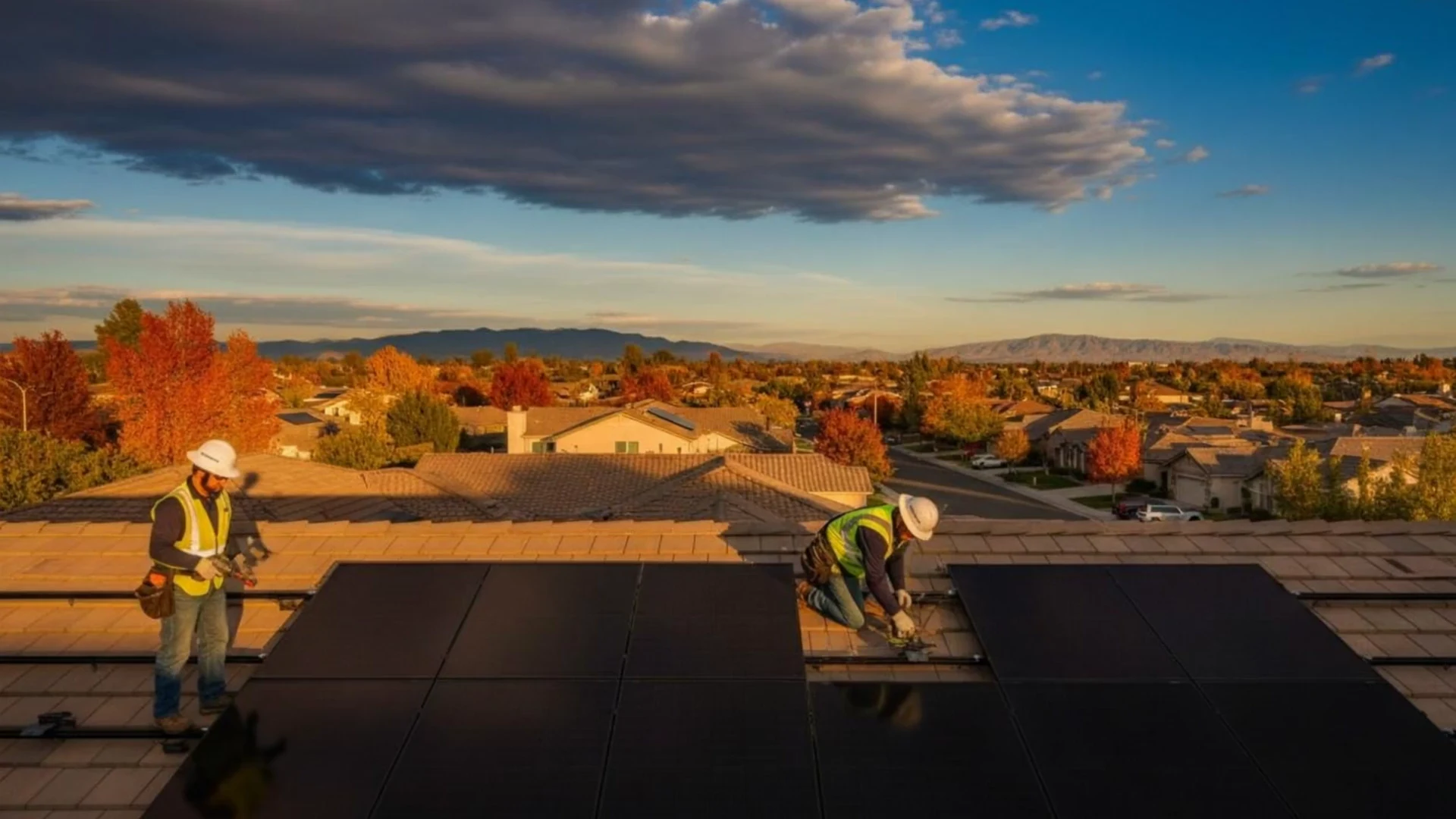
Solar Panel Removal & Reinstallation in North Miami Beach, FL
America’s #1 Choice for Energy Independence
We handle removal, storage, and reinstallation — coordinating with your roofer so your project runs smoothly from start to finish.
By submitting or calling, you consent to receive calls and SMS from The Light Group USA at the number provided, including via auto-dialer or pre-recorded messages. Consent is not required for purchase. Msg/data rates may apply. Reply STOP to opt out. See our Privacy Policy.

Protect your roof and your solar investment
Let professionals handle your solar panel removal the right way.
By submitting or calling, you consent to receive calls and SMS from The Light Group USA at the number provided, including via auto-dialer or pre-recorded messages. Consent is not required for purchase. Msg/data rates may apply. Reply STOP to opt out. See our Privacy Policy.
Panel removal and reinstall in North Miami Beach
In North Miami Beach the re-roof is what forces the issue. A homeowner on the streets off Biscayne Boulevard lines up a roofing contractor, and then hits the same wall everyone hits: the roofer does not detach solar, and the company that installed the array has moved on. The work that closes that gap is its own scope, with a shutdown procedure, a permit, storage logistics and a reinstallation that has to be done right the first time.
The problem that shows up first here is not electrical, it is spatial. Lots in this city are tight, side yards are narrow, and thirty modules take up real room for two or three weeks while a roof is rebuilt. Where the array is going to live, how it will be secured, and who has access to it are decisions made before removal day, because a driveway full of loose panels beside a working roofing crew is how modules get broken.
Miami-Dade takes roof attachments seriously, and the reinstall gets the same attention as new work. Every mount has to land in structure rather than decking, flashing tucks under the shingle or tile course above it, and clamp torque comes from the manufacturer's figure. Permit and reinspection are part of the job, and the address determines whether the City of North Miami Beach or the county is the authority.
This is roughly a kilometer from the water, close enough that salt reaches the metal under the array. Rails, lag hardware, ground lugs and connector housings corrode from the inside while the glass looks perfect. Removal is the only moment that underside is reachable, so it gets inspected and repaired then, rather than sealed under a brand-new roof that nobody wants to open again.
On a North Miami Beach removal we get these right
Common questions about solar service in North Miami Beach
Either in a secured area on site, racked upright and out of the roofing crew's way, or off site if the lot genuinely cannot accommodate them. That is settled before removal day, in writing, because it drives cost and logistics. Panels lying flat in a narrow side yard next to a working roof crew is the scenario this planning exists to avoid.
In Florida, removal with reinstallation generally requires a permit and a reinspection, even though the array existed before. The authority depends on your address: a City of North Miami Beach address and an unincorporated Miami-Dade address go to different desks. That gets confirmed and filed before the roofing schedule locks in.
It changes the reinstallation more than the removal. Low-slope assemblies attach and seal differently from tile or shingle, and the mounting method has to suit the new roof rather than the old one. That decision gets made together with the roofer while the deck is open, which is the only moment the two scopes can be coordinated properly.
Not if the system returns at the same size and configuration. FPL credits exported energy at the retail rate, and that arrangement is attached to the system already on file, so a like-for-like reinstall is a reinstatement rather than a new application. Any change to module count, inverter or system rating is flagged before work begins.
By storing them secured and out of sight rather than stacked in an open driveway for three weeks. Depending on the property, that means a locked area on site, a trailer, or off-site storage. The arrangement is agreed in advance and the modules are inventoried by serial number at removal, so what comes back is verifiably what left.
Other solar work we do here
Panel Removal & Reinstallation near North Miami Beach
Crews based in Orlando and Tampa, covering 217 cities statewide.
South Florida
- Aventura
- Belle Glade
- Boca Raton
- Boynton Beach
- Coconut Creek
- Cooper City
- Coral Gables
- Coral Springs
- Cutler Bay
- Dania Beach
- Davie
- Deerfield Beach
- Delray Beach
- Doral
- Fort Lauderdale
- Greenacres
- Hallandale Beach
- Hialeah
- Hialeah Gardens
- Hollywood
- Homestead
- Jupiter
- Lake Worth Beach
- Lauderdale Lakes
- Lauderhill
- Margate
- Miami
- Miami Beach
- Miami Gardens
- Miami Lakes
- Miramar
- North Lauderdale
- North Miami
- North Miami Beach
- Oakland Park
- Opa-locka
- Palm Beach Gardens
- Palm Springs
- Palmetto Bay
- Parkland
- Pembroke Pines
- Pinecrest
- Plantation
- Pompano Beach
- Riviera Beach
- Royal Palm Beach
- Sunny Isles Beach
- Sunrise
- Sweetwater
- Tamarac
- Wellington
- West Palm Beach
- West Park
- Weston
We also cover Florida Panhandle, North Florida, Northeast Florida, Central Florida, Space Coast, Tampa Bay, Southwest Florida, Treasure Coast. See every Florida city we service.