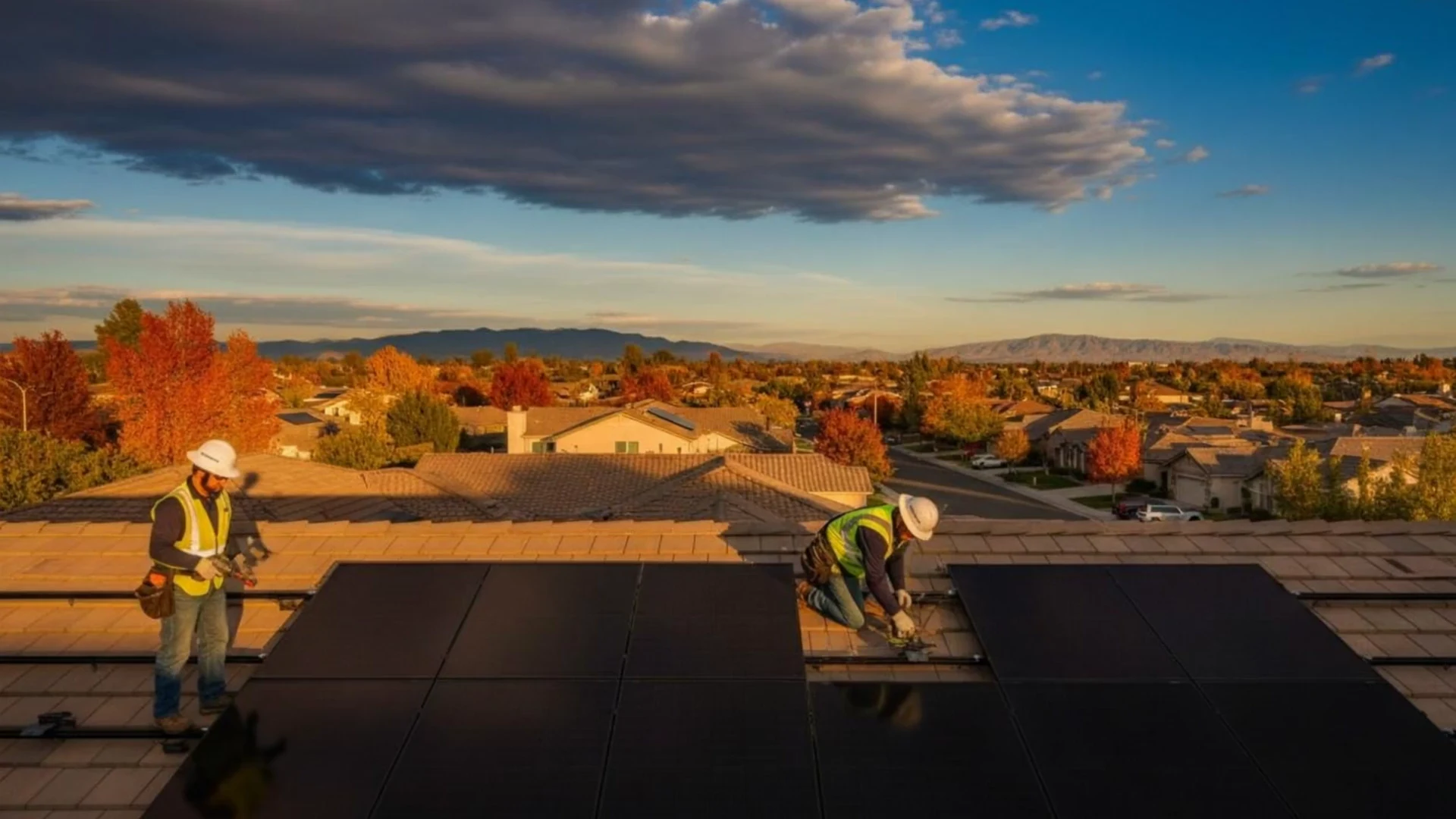
Solar Panel Removal & Reinstallation in Cooper City, FL
America’s #1 Choice for Energy Independence
We handle removal, storage, and reinstallation — coordinating with your roofer so your project runs smoothly from start to finish.
By submitting or calling, you consent to receive calls and SMS from The Light Group USA at the number provided, including via auto-dialer or pre-recorded messages. Consent is not required for purchase. Msg/data rates may apply. Reply STOP to opt out. See our Privacy Policy.

Protect your roof and your solar investment
Let professionals handle your solar panel removal the right way.
By submitting or calling, you consent to receive calls and SMS from The Light Group USA at the number provided, including via auto-dialer or pre-recorded messages. Consent is not required for purchase. Msg/data rates may apply. Reply STOP to opt out. See our Privacy Policy.
Panel removal and reinstall in Cooper City
Cooper City went up in planned phases, so whole streets came out of the ground within a few years of each other. Roofs age on the same calendar. Once one tear-off starts near Brian Piccolo Park, the same conversation usually reaches the rest of the block within a season, and the houses with solar have an extra step nobody budgeted for: the array has to come off first, by someone other than the roofer.
Thirteen kilometers inland, salt is not the problem here. Heat, grit and pollen are. Attic and module temperatures push output down through the summer, and years of dust film builds under the array edges where a hose never reaches. With the panels off the rails, the glass can be cleaned properly and each module inspected against the light for damage that never produced an error code.
Handling is where these systems get quietly wrecked. A module carried by one long edge flexes across the middle. Stacked face to face without separators, the glass grinds. Set down on the glass, a stone does the rest. None of that trips an alarm; it shows up as a string that underperforms for the next ten years. Panels come down in labeled rows, carried short-edge, stored upright.
Cooper City is a city address, so the detach-and-reset permit and the reinspection generally run through city review rather than Broward County. The work is scheduled from Orlando and Tampa around the roofer's dates, which is realistic because this is planned work rather than an emergency. FPL credits exports at the retail rate, so the meter starts working for you again as soon as the reset passes.
On a Cooper City removal we get these right
Common questions about solar service in Cooper City
Most will not, and it is worth respecting that. Removing an array is electrical work: DC strings have to be shut down and isolated safely, and mishandled modules crack invisibly. Roofers who agree to it often exclude the solar from their warranty. Keeping the two trades separate keeps responsibility clear if something fails later.
Usually yes, when the array is documented before removal. Rows are labeled by position and string, the layout is photographed, and the same design is rebuilt on the new roof. Mounting points may shift slightly to land on rafters, which is normal. What should not change is which panel sits in which string.
It can, but three separate warranties are involved: the panel, the inverter, and the new roof. Panel and inverter coverage generally depends on correct handling, correct torque and correct connectors rather than on who does the work. Roof coverage depends on how the new penetrations were made. Keep documentation from each trade.
Modules, mid and end clamps, and the rails come off in nearly every case, because the roof deck has to be stripped underneath. Rooftop conduit, junction boxes and rapid shutdown devices often come off too. Inverters mounted on a wall usually stay put, though they are shut down and locked out for the duration.
It gets documented and replaced rather than reinstalled. That is why every module is inspected off the rails and photographed. A cracked panel put back into a string keeps producing, just less, and the loss is hard to trace afterward. Matching an older module can take time, which is another reason to inspect before the roofer finishes.
Other solar work we do here
Panel Removal & Reinstallation near Cooper City
Crews based in Orlando and Tampa, covering 217 cities statewide.
South Florida
- Aventura
- Belle Glade
- Boca Raton
- Boynton Beach
- Coconut Creek
- Cooper City
- Coral Gables
- Coral Springs
- Cutler Bay
- Dania Beach
- Davie
- Deerfield Beach
- Delray Beach
- Doral
- Fort Lauderdale
- Greenacres
- Hallandale Beach
- Hialeah
- Hialeah Gardens
- Hollywood
- Homestead
- Jupiter
- Lake Worth Beach
- Lauderdale Lakes
- Lauderhill
- Margate
- Miami
- Miami Beach
- Miami Gardens
- Miami Lakes
- Miramar
- North Lauderdale
- North Miami
- North Miami Beach
- Oakland Park
- Opa-locka
- Palm Beach Gardens
- Palm Springs
- Palmetto Bay
- Parkland
- Pembroke Pines
- Pinecrest
- Plantation
- Pompano Beach
- Riviera Beach
- Royal Palm Beach
- Sunny Isles Beach
- Sunrise
- Sweetwater
- Tamarac
- Wellington
- West Palm Beach
- West Park
- Weston
We also cover Florida Panhandle, North Florida, Northeast Florida, Central Florida, Space Coast, Tampa Bay, Southwest Florida, Treasure Coast. See every Florida city we service.