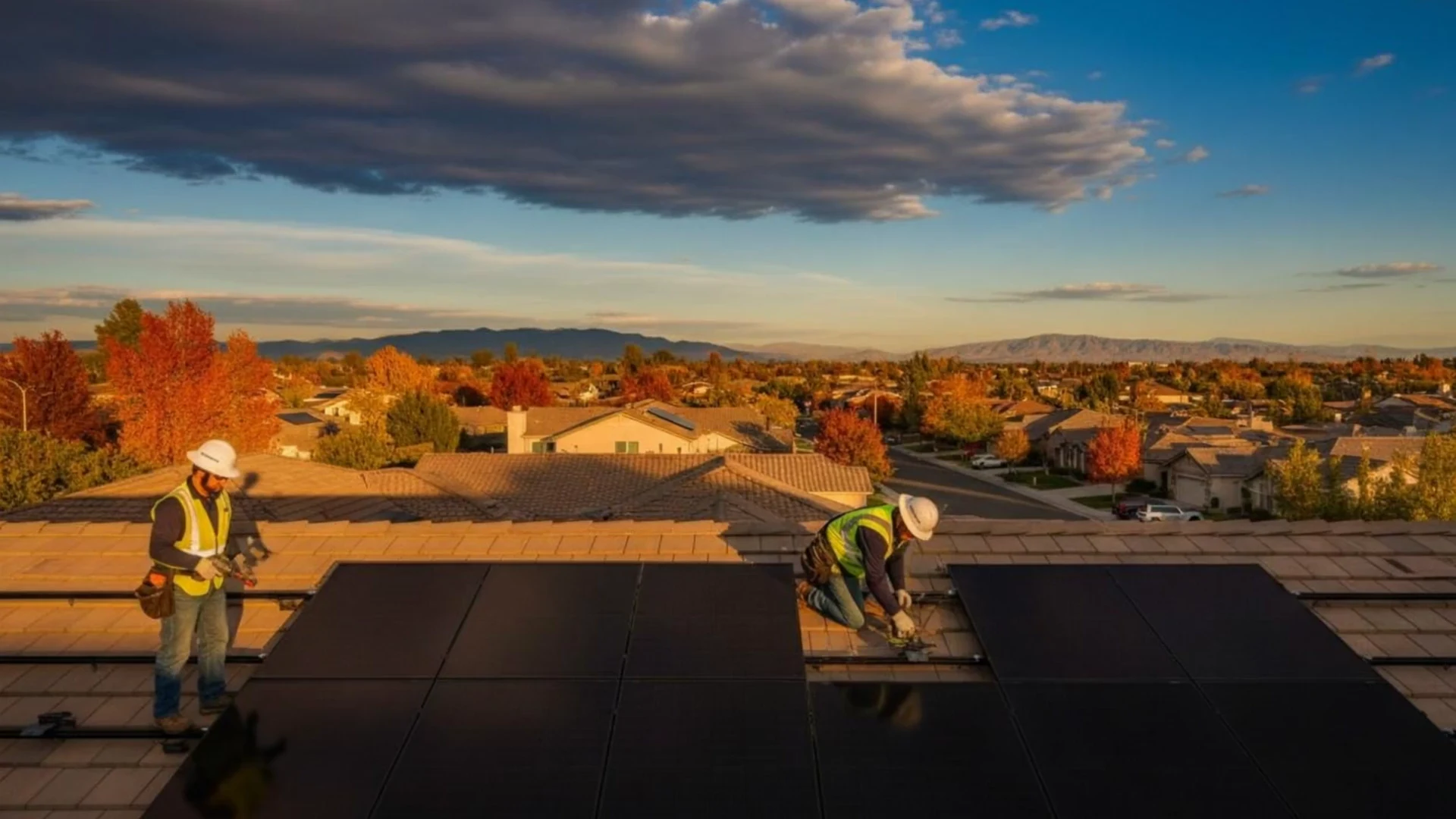
Solar Panel Removal & Reinstallation in Miami, FL
America’s #1 Choice for Energy Independence
We handle removal, storage, and reinstallation — coordinating with your roofer so your project runs smoothly from start to finish.
By submitting or calling, you consent to receive calls and SMS from The Light Group USA at the number provided, including via auto-dialer or pre-recorded messages. Consent is not required for purchase. Msg/data rates may apply. Reply STOP to opt out. See our Privacy Policy.

Protect your roof and your solar investment
Let professionals handle your solar panel removal the right way.
By submitting or calling, you consent to receive calls and SMS from The Light Group USA at the number provided, including via auto-dialer or pre-recorded messages. Consent is not required for purchase. Msg/data rates may apply. Reply STOP to opt out. See our Privacy Policy.
Panel removal and reinstall in Miami
Miami is a coastal address by any measure, and the neighborhoods behind the Brickell Avenue skyline are single-family blocks with almost no room to work. That combination shapes a solar removal here more than the roof itself does. Salt is attacking the hardware, and the lot is telling you there is nowhere to put sixty modules for three weeks. Both get solved before the first clamp comes off.
Storage is the question homeowners never see coming. A reroof takes weeks, and an array cannot spend them stacked in a carport that also holds two cars, or leaning against a wall in full sun. Panels wait on padded racks, on edge, separated and secured. On tight Miami lots that often means arranging space off site rather than pretending the driveway will do.
The City of Miami runs its own building department, so a removal and reinstallation permit inside city limits goes there rather than to Miami-Dade County, and nearby unincorporated pockets go the other way. The county also maintains its own product approval process for what gets attached to a roof. It is worth settling jurisdiction before a date is offered to anyone.
FPL serves the address and credits exported energy at the retail rate, so downtime has a price you can read on a bill. None of this is urgent work, though. It follows a roofing calendar, which is exactly what lets it be covered from Orlando and Tampa on a date fixed in advance instead of squeezed into a same-week opening.
On a Miami removal we get these right
Common questions about solar service in Miami
Onto padded racks, on edge and separated, in a secured space for the length of the reroof. On tight Miami lots that space frequently is not the driveway or the carport, so off-site storage is arranged before removal day. Panels stacked flat on concrete or leaned against a wall are how microcracks and chipped frames happen.
The City of Miami handles addresses inside city limits, and unincorporated pockets nearby go to Miami-Dade County. This work generally requires a permit in Florida either way, and the two offices differ in submittal detail and inspection scheduling. The parcel address settles it, and that is confirmed before a date goes on a calendar.
Frequently, and not where you would look. Salt works into rail splices, bolt threads, grounding lugs and connector housings, corroding inside the joint while the visible surface still looks acceptable. A coastal reinstall includes inspecting every attachment with the roof bare, because that is the only moment the whole system is reachable at arm's length.
Almost always the same panels. Modules that were producing before removal generally go back up, and a reroof is not a reason to replace them. What tends to get replaced is hardware: corroded fasteners, worn flashing, damaged connectors, and any module with visible glass damage found during the inspection that happens once the array is down.
As soon as your roofer has a tear-off date, because the two calendars have to line up. Removal is planned work rather than dispatch, which is what allows coverage from Orlando and Tampa with a fixed window. Booking late is the main reason a homeowner ends up with a bare roof and an array with nowhere to go.
Other solar work we do here
Panel Removal & Reinstallation near Miami
Crews based in Orlando and Tampa, covering 217 cities statewide.
South Florida
- Aventura
- Belle Glade
- Boca Raton
- Boynton Beach
- Coconut Creek
- Cooper City
- Coral Gables
- Coral Springs
- Cutler Bay
- Dania Beach
- Davie
- Deerfield Beach
- Delray Beach
- Doral
- Fort Lauderdale
- Greenacres
- Hallandale Beach
- Hialeah
- Hialeah Gardens
- Hollywood
- Homestead
- Jupiter
- Lake Worth Beach
- Lauderdale Lakes
- Lauderhill
- Margate
- Miami
- Miami Beach
- Miami Gardens
- Miami Lakes
- Miramar
- North Lauderdale
- North Miami
- North Miami Beach
- Oakland Park
- Opa-locka
- Palm Beach Gardens
- Palm Springs
- Palmetto Bay
- Parkland
- Pembroke Pines
- Pinecrest
- Plantation
- Pompano Beach
- Riviera Beach
- Royal Palm Beach
- Sunny Isles Beach
- Sunrise
- Sweetwater
- Tamarac
- Wellington
- West Palm Beach
- West Park
- Weston
We also cover Florida Panhandle, North Florida, Northeast Florida, Central Florida, Space Coast, Tampa Bay, Southwest Florida, Treasure Coast. See every Florida city we service.