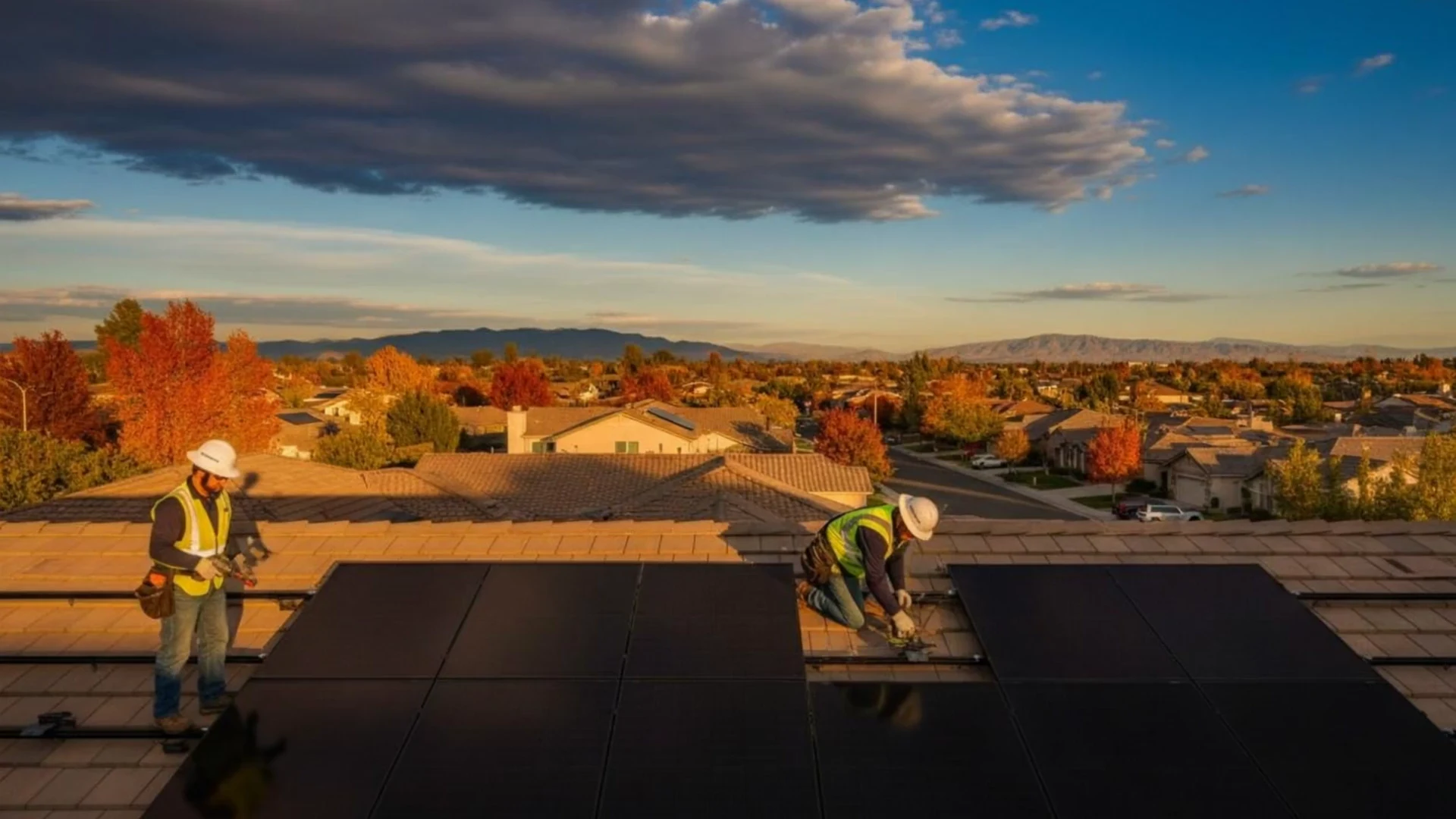
Solar Panel Removal & Reinstallation in Cutler Bay, FL
America’s #1 Choice for Energy Independence
We handle removal, storage, and reinstallation — coordinating with your roofer so your project runs smoothly from start to finish.
By submitting or calling, you consent to receive calls and SMS from The Light Group USA at the number provided, including via auto-dialer or pre-recorded messages. Consent is not required for purchase. Msg/data rates may apply. Reply STOP to opt out. See our Privacy Policy.

Protect your roof and your solar investment
Let professionals handle your solar panel removal the right way.
By submitting or calling, you consent to receive calls and SMS from The Light Group USA at the number provided, including via auto-dialer or pre-recorded messages. Consent is not required for purchase. Msg/data rates may apply. Reply STOP to opt out. See our Privacy Policy.
Panel removal and reinstall in Cutler Bay
Cutler Bay runs right down to the water in south Miami-Dade, with Southland Mall on South Dixie Highway as the landmark most people navigate by. Around 44,750 residents live across 33189, 33157 and 33190, much of it in neighborhoods rebuilt or re-roofed under South Florida's stricter post-storm code. When one of those roofs comes due again, the solar array on top has to come off first.
The trigger is nearly always the roof rather than the solar. A roofing contractor sets a date, then clarifies that his crew does not handle panels, wiring or the electrical reinspection. The homeowner is suddenly coordinating two trades who each assume the other is handling racking and flashing. Getting that order and that responsibility written down early is most of the job.
This close to open water, salt is the quiet variable. It attacks rails, clamp bolts, grounding lugs and MC4 shells before it ever marks the glass, and it does the work inside housings where nothing shows from the ground. A removal is the one moment in a system's life when every one of those connection points is at eye level and can actually be opened and judged.
It is planned work, so a booked window covered from Orlando or Tampa fits it well. FPL serves the address and credits exported energy at the retail rate, which means the account arrangement does not change because the modules spent three weeks in a garage. What changes, and what matters, is whether the array goes back with mounts in structure and flashing done correctly.
On a Cutler Bay removal we get these right
Common questions about solar service in Cutler Bay
Sometimes, but it is not automatic. Rails and clamps get inspected for corrosion, thread damage and fatigue before anything is reused, and near open water the hardware is often the part that failed while the glass is still fine. Anything questionable is replaced rather than reinstalled, since the array will be up there another decade.
The new roof itself does not, but careless handling can. Panel manufacturers cover defects, not damage from being dropped, stacked wrong or lifted by a single frame rail. Documented removal, proper storage and reinstallation with matched connectors keep that coverage intact, which is why handling procedure matters more than most homeowners expect.
Usually yes. Florida generally treats detach and reset as permitted work with a reinspection at the end, even when the design does not change. The issuing authority depends on whether your address falls under the town or under Miami-Dade County, and that is confirmed before the removal is scheduled.
The arrangement stays in place, but production stops. FPL credits exported power at the retail rate, and a system that is off the roof simply exports nothing while the roof is being rebuilt. The bill for those weeks looks like a house without solar, then returns to normal once the array is reconnected and reinspected.
They come off the roof and go indoors, on edge, with separators between them and off the concrete. Salt damage is a slow corrosion problem at metal connection points, not something that happens in a few weeks of dry storage. The real storage risks are handling traffic, stacking on glass and moisture, and all three are avoidable.
Other solar work we do here
Panel Removal & Reinstallation near Cutler Bay
Crews based in Orlando and Tampa, covering 217 cities statewide.
South Florida
- Aventura
- Belle Glade
- Boca Raton
- Boynton Beach
- Coconut Creek
- Cooper City
- Coral Gables
- Coral Springs
- Cutler Bay
- Dania Beach
- Davie
- Deerfield Beach
- Delray Beach
- Doral
- Fort Lauderdale
- Greenacres
- Hallandale Beach
- Hialeah
- Hialeah Gardens
- Hollywood
- Homestead
- Jupiter
- Lake Worth Beach
- Lauderdale Lakes
- Lauderhill
- Margate
- Miami
- Miami Beach
- Miami Gardens
- Miami Lakes
- Miramar
- North Lauderdale
- North Miami
- North Miami Beach
- Oakland Park
- Opa-locka
- Palm Beach Gardens
- Palm Springs
- Palmetto Bay
- Parkland
- Pembroke Pines
- Pinecrest
- Plantation
- Pompano Beach
- Riviera Beach
- Royal Palm Beach
- Sunny Isles Beach
- Sunrise
- Sweetwater
- Tamarac
- Wellington
- West Palm Beach
- West Park
- Weston
We also cover Florida Panhandle, North Florida, Northeast Florida, Central Florida, Space Coast, Tampa Bay, Southwest Florida, Treasure Coast. See every Florida city we service.