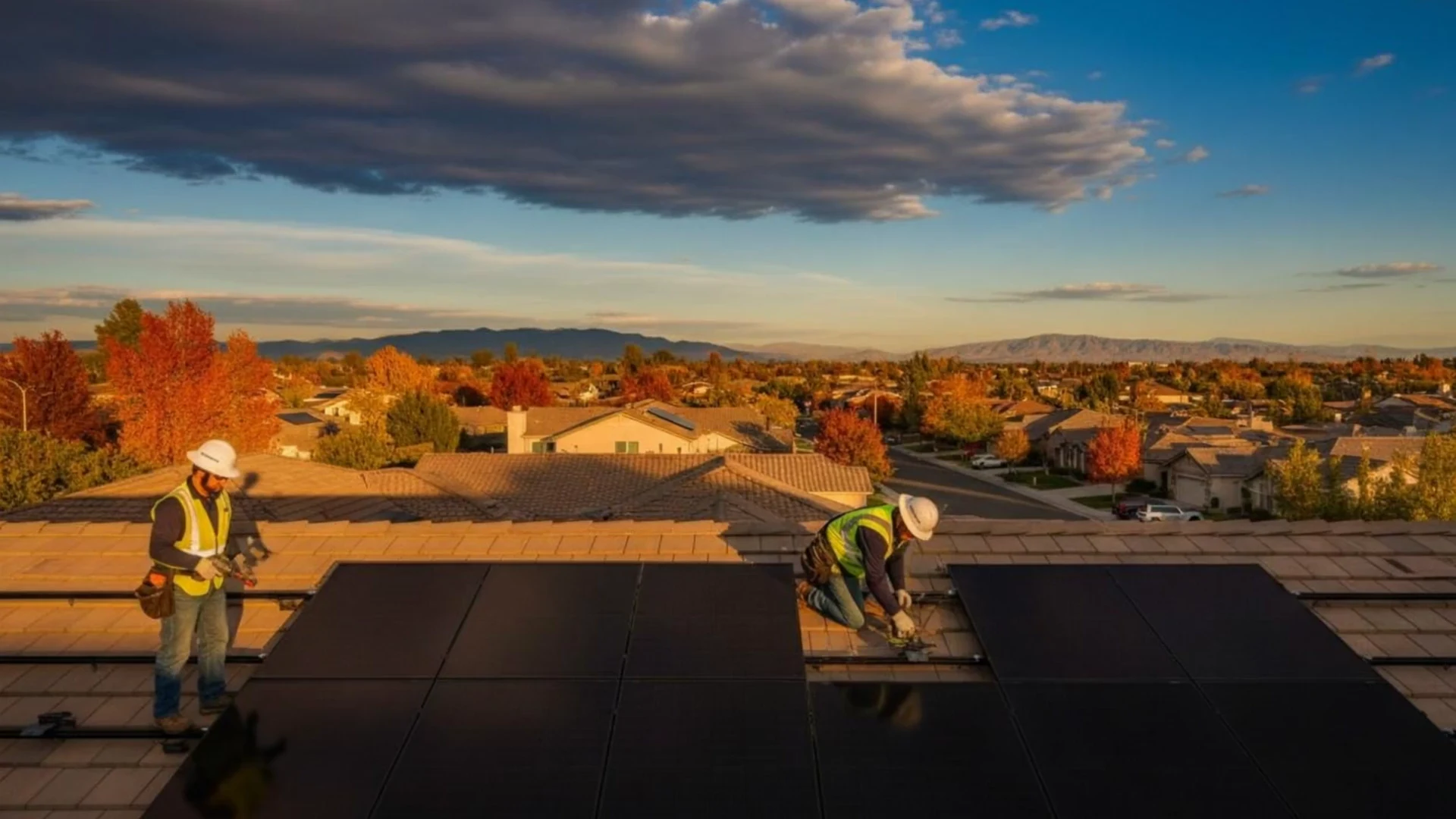
Solar Panel Removal & Reinstallation in Palmetto Bay, FL
America’s #1 Choice for Energy Independence
We handle removal, storage, and reinstallation — coordinating with your roofer so your project runs smoothly from start to finish.
By submitting or calling, you consent to receive calls and SMS from The Light Group USA at the number provided, including via auto-dialer or pre-recorded messages. Consent is not required for purchase. Msg/data rates may apply. Reply STOP to opt out. See our Privacy Policy.

Protect your roof and your solar investment
Let professionals handle your solar panel removal the right way.
By submitting or calling, you consent to receive calls and SMS from The Light Group USA at the number provided, including via auto-dialer or pre-recorded messages. Consent is not required for purchase. Msg/data rates may apply. Reply STOP to opt out. See our Privacy Policy.
Panel removal and reinstall in Palmetto Bay
Palmetto Bay is an incorporated village in Miami-Dade with its own building department, sitting right on Biscayne Bay near the Deering Estate on Old Cutler Road. Large lots, heavy tree canopy and a lot of tile roofs. It is also about as close to open water as an address gets, which means the array's mounting hardware has been living in salt air for as long as it has been up there.
Tile is the specific technical problem. Removing an array from a tile roof and putting it back on a new tile roof is not the same work as shingle: tiles break, hooks and standoffs have to land on structure, and the flashing detail under a tile course leaves no room for improvisation. Anything close enough is a leak that arrives with the first serious rain of the season.
Miami-Dade is inside the High-Velocity Hurricane Zone, and the village permits and inspects to it. Product approvals and attachment details get genuine scrutiny here, which is a good thing on a bayfront roof. The reinstall is designed for what this jurisdiction inspects, and the permit and reinspection come from the village rather than the county for addresses inside its limits.
FPL serves 33157 and 33158 and credits exports at the retail rate. Hurricane season runs June 1 through November 30, and a bayfront roof is not a place to be caught open. Removal and reinstallation is scheduled work from Orlando and Tampa, planned against the roofer's dates, with the array stored indoors the entire time the roof is being rebuilt.
On a Palmetto Bay removal we get these right
Common questions about solar service in Palmetto Bay
Some breakage is normal, which is why replacement tiles belong in the plan rather than arriving as a surprise. Tiles are lifted carefully at the mount locations and set aside. On a re-roof it matters less, since the tile is being replaced anyway; what matters is integrating the new mounts and flashings into the new course correctly.
For addresses inside the village, Palmetto Bay's own building department issues the permit and performs the reinspection. Miami-Dade's High-Velocity Hurricane Zone requirements still apply to how the array is attached. Both facts matter: one decides where the paperwork goes, the other decides how the mounting is specified.
It affects the mounting hardware most. Salt attacks rails, stainless-to-aluminum joints, grounding lugs and the inside of connector housings well before it touches a module. Because that damage is hidden, a removal is the only practical opportunity to see all of it at once and replace what has already gone.
It is the natural moment to ask, and it is also a change to the system on file with FPL. Any change to module count, layout or inverter has to be handled with the utility and reflected in the permit rather than added quietly. Decided before removal it is simple; decided mid-job it is not.
For the full duration of the re-roof plus the reinstall visit. Tile work is slower than shingle, and weather during hurricane season adds days. Modules stay in padded racks indoors the whole time, and the reinstall happens after the new roof passes its own inspection, not while the roofer is still finishing.
Other solar work we do here
Panel Removal & Reinstallation near Palmetto Bay
Crews based in Orlando and Tampa, covering 217 cities statewide.
South Florida
- Aventura
- Belle Glade
- Boca Raton
- Boynton Beach
- Coconut Creek
- Cooper City
- Coral Gables
- Coral Springs
- Cutler Bay
- Dania Beach
- Davie
- Deerfield Beach
- Delray Beach
- Doral
- Fort Lauderdale
- Greenacres
- Hallandale Beach
- Hialeah
- Hialeah Gardens
- Hollywood
- Homestead
- Jupiter
- Lake Worth Beach
- Lauderdale Lakes
- Lauderhill
- Margate
- Miami
- Miami Beach
- Miami Gardens
- Miami Lakes
- Miramar
- North Lauderdale
- North Miami
- North Miami Beach
- Oakland Park
- Opa-locka
- Palm Beach Gardens
- Palm Springs
- Palmetto Bay
- Parkland
- Pembroke Pines
- Pinecrest
- Plantation
- Pompano Beach
- Riviera Beach
- Royal Palm Beach
- Sunny Isles Beach
- Sunrise
- Sweetwater
- Tamarac
- Wellington
- West Palm Beach
- West Park
- Weston
We also cover Florida Panhandle, North Florida, Northeast Florida, Central Florida, Space Coast, Tampa Bay, Southwest Florida, Treasure Coast. See every Florida city we service.