Solar Panel Removal & Reinstallation in Hollywood, FL
America’s #1 Choice for Energy Independence
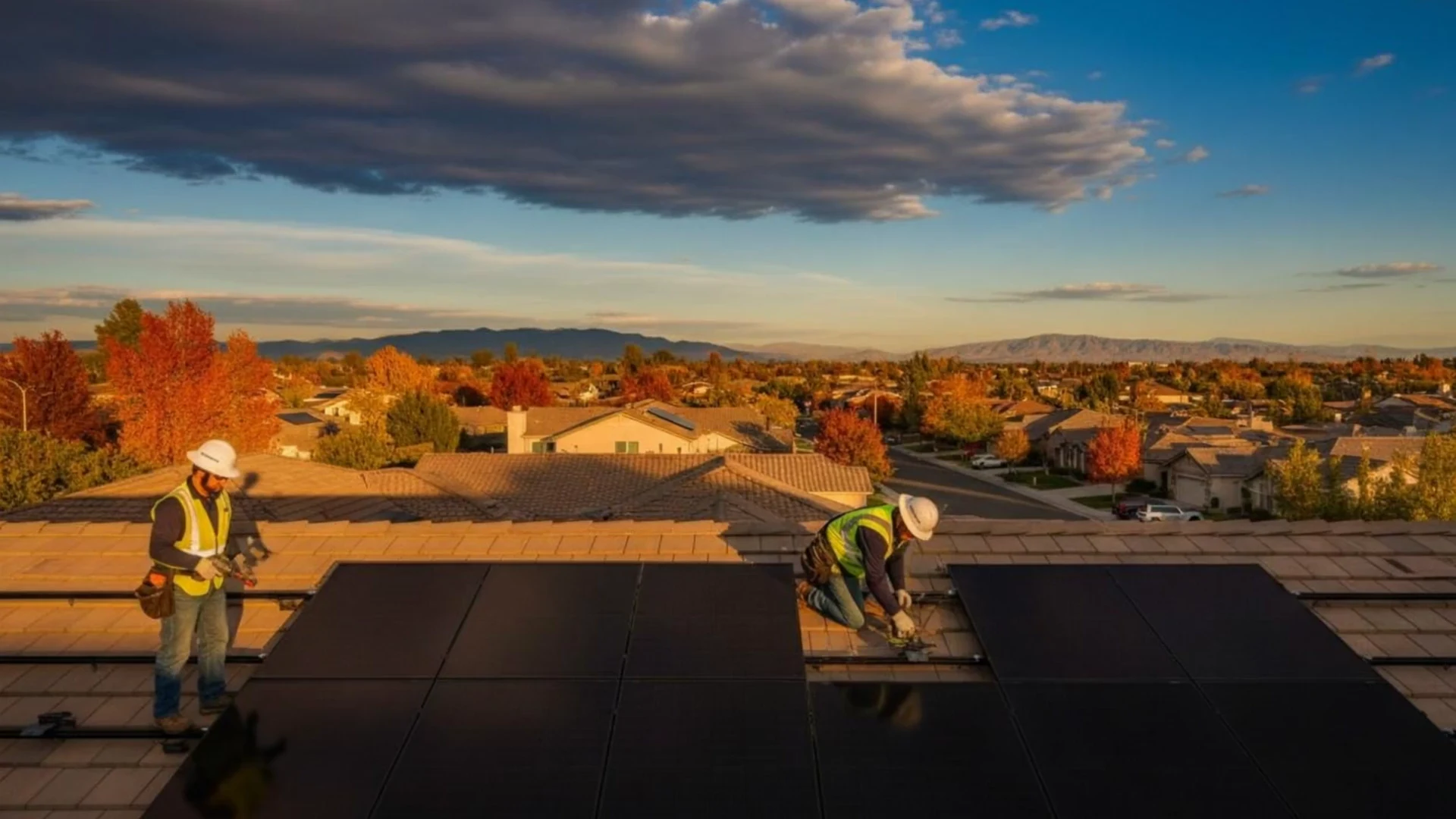
We handle removal, storage, and reinstallation — coordinating with your roofer so your project runs smoothly from start to finish.
By submitting or calling, you consent to receive calls and SMS from The Light Group USA at the number provided, including via auto-dialer or pre-recorded messages. Consent is not required for purchase. Msg/data rates may apply. Reply STOP to opt out. See our Privacy Policy.

Protect your roof and your solar investment
Let professionals handle your solar panel removal the right way.
By submitting or calling, you consent to receive calls and SMS from The Light Group USA at the number provided, including via auto-dialer or pre-recorded messages. Consent is not required for purchase. Msg/data rates may apply. Reply STOP to opt out. See our Privacy Policy.
Panel removal and reinstall in Hollywood
Hollywood is the largest city in this group by a wide margin, roughly 157,000 people across 33019, 33020, 33021 and 33024, from the Broadwalk on the Atlantic to neighborhoods well west of Federal Highway. That range matters for solar. A house two blocks off the beach and a house four miles inland carry the same array in very different air, and a removal is when the difference becomes visible.
The job almost always begins with the roof. Housing here cycles through reroofs, insurers push the schedule, and the homeowner finds out that the roofing crew will not go near a live array. What follows is a coordination problem more than a technical one: two contractors, one roof, and a sequence that has to be agreed on before either of them shows up.
On the beach side, salt air is the whole story. It attacks rails, stainless hardware, grounding lugs and MC4 housings from the inside, and it does it out of sight while the modules keep looking fine. Taking an array down exposes all of those parts at once. Corroded hardware that would never be caught from a ladder gets replaced while it is already in someone's hand.
Hollywood is incorporated with its own building department, so permits for the removal and the reinstall are pulled through the city rather than Broward County, and an electrical reinspection closes the job. FPL serves the address and credits exports at the retail rate. Because the work is scheduled rather than urgent, it is covered from Orlando and Tampa with dates set against the roofer's calendar.
On a Hollywood removal we get these right
Common questions about solar service in Hollywood
Usually yes. Hollywood has its own building department, so the removal and reinstall permit is pulled through the city rather than Broward County, and it is separate from the roofing permit. The electrical reinspection once the array is back is the step that actually closes it, and the one people forget.
Yes, and it hides. Salt attacks rails, bolts, grounding lugs and the inside of MC4 connector housings long before it marks the modules. A removal is the only time all of it is accessible, so beachside jobs include inspecting every connection point and replacing anything pitted while the array is already apart.
Sometimes. It depends on which roof planes are being stripped and how the strings are wired across them. Leaving half an array live beside an active tear-off adds risk, so if the strings cross the work area the whole array usually comes down. That call gets made on site with the roofer.
That is common and it does not block the work. The system is documented as found, modules and inverter are identified from their labels, and everything goes back to current code. Monitoring usually needs a new account, since the old portal was tied to the closed company's credentials rather than to you.
The solar side is two short visits: removal before tear-off, reinstall after the roof passes its inspection. Everything between belongs to the roofer, and that part runs from days to weeks depending on roof size and weather. Booking both solar dates when the roof is booked keeps the gap short.
Other solar work we do here
Panel Removal & Reinstallation near Hollywood
Crews based in Orlando and Tampa, covering 217 cities statewide.
South Florida
- Aventura
- Belle Glade
- Boca Raton
- Boynton Beach
- Coconut Creek
- Cooper City
- Coral Gables
- Coral Springs
- Cutler Bay
- Dania Beach
- Davie
- Deerfield Beach
- Delray Beach
- Doral
- Fort Lauderdale
- Greenacres
- Hallandale Beach
- Hialeah
- Hialeah Gardens
- Hollywood
- Homestead
- Jupiter
- Lake Worth Beach
- Lauderdale Lakes
- Lauderhill
- Margate
- Miami
- Miami Beach
- Miami Gardens
- Miami Lakes
- Miramar
- North Lauderdale
- North Miami
- North Miami Beach
- Oakland Park
- Opa-locka
- Palm Beach Gardens
- Palm Springs
- Palmetto Bay
- Parkland
- Pembroke Pines
- Pinecrest
- Plantation
- Pompano Beach
- Riviera Beach
- Royal Palm Beach
- Sunny Isles Beach
- Sunrise
- Sweetwater
- Tamarac
- Wellington
- West Palm Beach
- West Park
- Weston
We also cover Florida Panhandle, North Florida, Northeast Florida, Central Florida, Space Coast, Tampa Bay, Southwest Florida, Treasure Coast. See every Florida city we service.