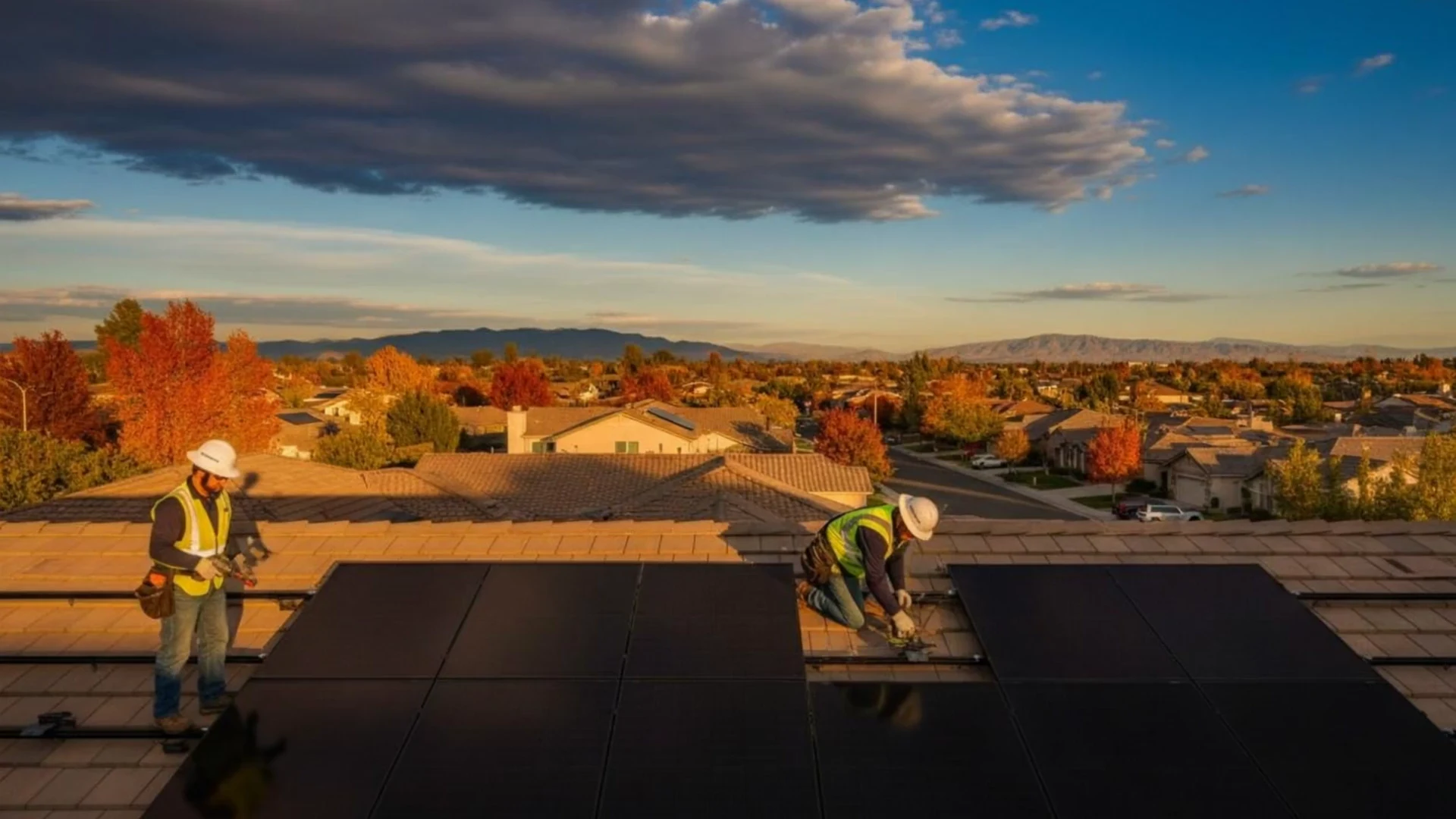
Solar Panel Removal & Reinstallation in Hallandale Beach, FL
America’s #1 Choice for Energy Independence
We handle removal, storage, and reinstallation — coordinating with your roofer so your project runs smoothly from start to finish.
By submitting or calling, you consent to receive calls and SMS from The Light Group USA at the number provided, including via auto-dialer or pre-recorded messages. Consent is not required for purchase. Msg/data rates may apply. Reply STOP to opt out. See our Privacy Policy.

Protect your roof and your solar investment
Let professionals handle your solar panel removal the right way.
By submitting or calling, you consent to receive calls and SMS from The Light Group USA at the number provided, including via auto-dialer or pre-recorded messages. Consent is not required for purchase. Msg/data rates may apply. Reply STOP to opt out. See our Privacy Policy.
Panel removal and reinstall in Hallandale Beach
Hallandale Beach is oceanfront, and that changes what a solar removal is actually about. The modules are rarely the problem. What comes off the roof after several years this close to the Atlantic is corroded hardware: pitted lag bolts, chalked rails, grounding lugs with white bloom under the washer, and connector housings that look perfectly fine from the outside. None of it is visible while the array is still up.
The trigger is almost always the roof. A homeowner near Gulfstream Park schedules a reroof, the roofing contractor declines to touch the array, and the solar company that sold the system a decade ago no longer exists. Two trades, one deck, and nobody willing to own the handoff. Taking the system down carefully and rebuilding it on the new roof is its own scope of work, priced and scheduled as such.
Broward County builds to high-velocity hurricane zone requirements, and a reinstalled array is inspected as a roof attachment like any other. That means documented fasteners into structure, approved flashing, and mounts that match what the permit describes. Hurricane season runs June through November, which is a scheduling fact as much as a code one. An open roof and a stored array are not where anyone wants to be in September.
FPL serves Hallandale Beach and credits exported energy at the retail rate, so the interconnection already on file is worth keeping accurate. Same modules, same count, same inverter, and it still describes the system. We cover the city from Orlando on a scheduled date, agree the sequence with the roofer in advance, and leave behind the photos, torque records and diagram that the original job usually never produced.
On a Hallandale Beach removal we get these right
Common questions about solar service in Hallandale Beach
Yes. Within sight of the Atlantic, salt corrodes rails, stainless hardware, grounding lugs and connector interiors long before it affects the modules. Reinstalling corroded hardware under a brand-new roof means opening that roof again in a few years. The removal is the only practical opportunity to inspect and replace those parts.
In Florida this work generally requires a permit, and Hallandale Beach addresses fall inside city limits in Broward County, so the city building department handles it. The reinstalled array is inspected as a roof attachment under high-velocity hurricane zone rules, so mounts and fasteners have to match what the permit describes.
If the timing is flexible, yes. Hurricane season runs June through November, and the vulnerable window is the stretch when the roof is open and the array is in storage. This is scheduled work rather than emergency work, so booking the reroof and the reinstall with margin on both ends is usually the better call.
Generally not. Roofing warranties typically exclude penetrations made by another trade after the roof is finished. The mounts installed during reinstallation are covered by whoever installs them. Getting each party's scope written down before work begins is what prevents a future leak from becoming a dispute between two contractors.
Onto padded racks, standing on edge with separators between them, off the ground and covered, in a spot agreed on before the first module comes off. They are never stacked flat on their glass and never left where the roofing crew needs to work. Row and string labels stay on the whole time.
Other solar work we do here
Panel Removal & Reinstallation near Hallandale Beach
Crews based in Orlando and Tampa, covering 217 cities statewide.
South Florida
- Aventura
- Belle Glade
- Boca Raton
- Boynton Beach
- Coconut Creek
- Cooper City
- Coral Gables
- Coral Springs
- Cutler Bay
- Dania Beach
- Davie
- Deerfield Beach
- Delray Beach
- Doral
- Fort Lauderdale
- Greenacres
- Hallandale Beach
- Hialeah
- Hialeah Gardens
- Hollywood
- Homestead
- Jupiter
- Lake Worth Beach
- Lauderdale Lakes
- Lauderhill
- Margate
- Miami
- Miami Beach
- Miami Gardens
- Miami Lakes
- Miramar
- North Lauderdale
- North Miami
- North Miami Beach
- Oakland Park
- Opa-locka
- Palm Beach Gardens
- Palm Springs
- Palmetto Bay
- Parkland
- Pembroke Pines
- Pinecrest
- Plantation
- Pompano Beach
- Riviera Beach
- Royal Palm Beach
- Sunny Isles Beach
- Sunrise
- Sweetwater
- Tamarac
- Wellington
- West Palm Beach
- West Park
- Weston
We also cover Florida Panhandle, North Florida, Northeast Florida, Central Florida, Space Coast, Tampa Bay, Southwest Florida, Treasure Coast. See every Florida city we service.