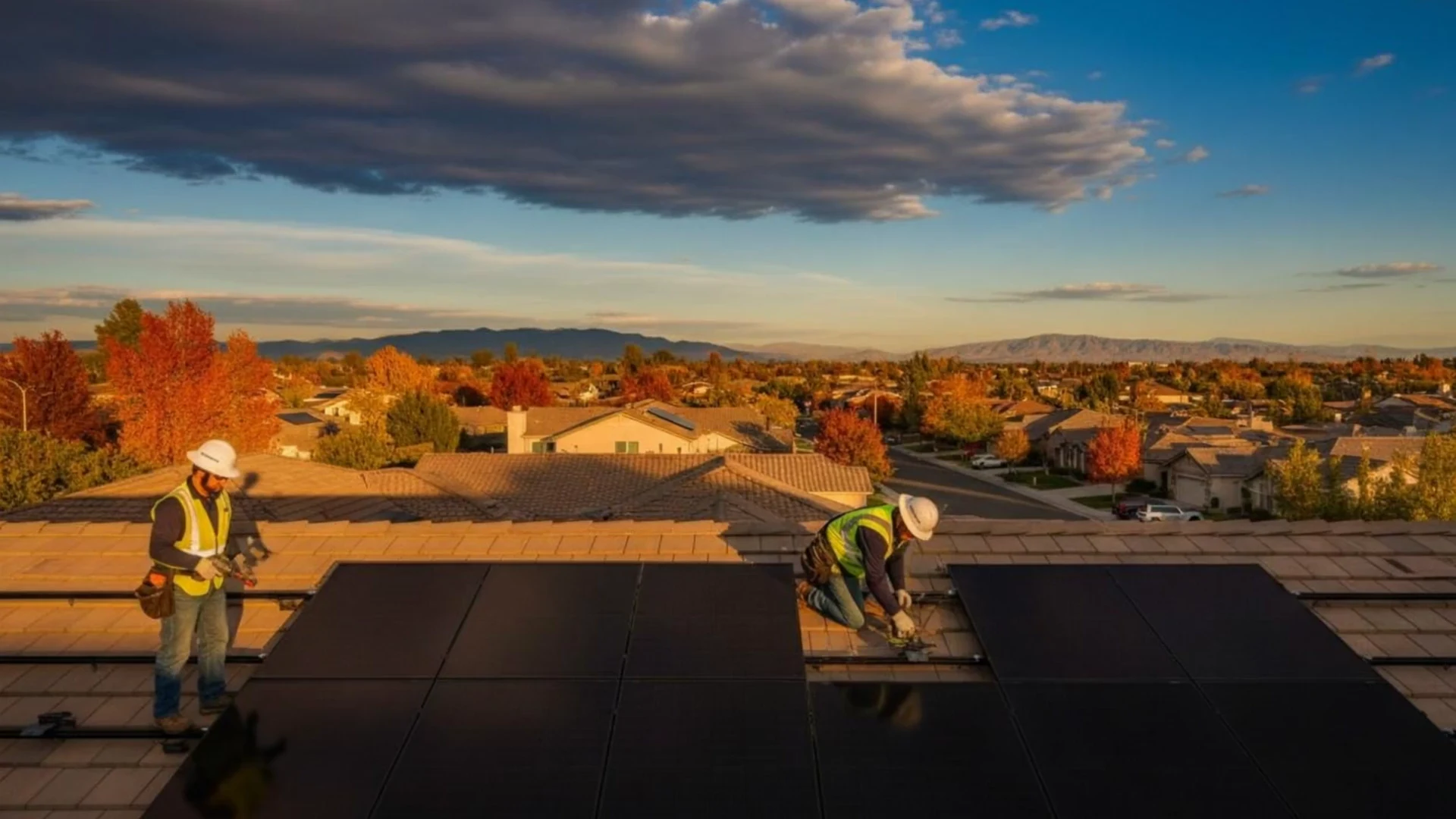
Solar Panel Removal & Reinstallation in Opa-locka, FL
America’s #1 Choice for Energy Independence
We handle removal, storage, and reinstallation — coordinating with your roofer so your project runs smoothly from start to finish.
By submitting or calling, you consent to receive calls and SMS from The Light Group USA at the number provided, including via auto-dialer or pre-recorded messages. Consent is not required for purchase. Msg/data rates may apply. Reply STOP to opt out. See our Privacy Policy.

Protect your roof and your solar investment
Let professionals handle your solar panel removal the right way.
By submitting or calling, you consent to receive calls and SMS from The Light Group USA at the number provided, including via auto-dialer or pre-recorded messages. Consent is not required for purchase. Msg/data rates may apply. Reply STOP to opt out. See our Privacy Policy.
Panel removal and reinstall in Opa-locka
Opa-locka is a small city with an unusually specific architectural identity, and the housing around the Ali Baba Avenue core has been through several decades of roofs. When an array on one of those homes has to come off, the surprise is rarely the solar. It is what the tear-off finds underneath: older decking, layered coverings and framing that has been repaired more than once.
The second surprise is paperwork. Systems installed here during the boom years were sold by companies that no longer answer the phone, which leaves homeowners with panels on the roof and nothing at all on paper: no string map, no inverter login, no as-built drawings, sometimes not even the module model number. That record gets rebuilt before anything is unbolted, never after.
Opa-locka is incorporated and runs its own building department, so the permit for a removal and reinstallation is a city submittal rather than a Miami-Dade County one. Getting that right early matters, because a reinstall that never received a final inspection tends to resurface years later during a sale or an insurance review, when it costs far more to resolve.
The address is inland by about ten kilometers, so salt is not the driver here. Heat is, along with dust and the slow accumulation that makes an array underperform without ever throwing an error code. FPL serves these homes and credits exports at the retail rate, so downtime is measurable. The work is scheduled, planned around the roofer, and covered from Orlando and Tampa.
On a Opa-locka removal we get these right
Common questions about solar service in Opa-locka
A solar contractor who handles removal and reinstallation as its own service, independent of who installed the system. The original company's absence changes the documentation, not the work. The array is identified, mapped and labeled before removal so it can be rebuilt correctly, and monitoring is re-registered under an account you control.
Yes. Opa-locka is an incorporated city with its own building department, so the permit and inspection for a removal and reinstallation are handled at the city rather than by Miami-Dade County. Neighboring unincorporated addresses go to the county instead. The parcel address decides, and it is confirmed before the job is scheduled.
That is normal, and it is solvable with photographs and labeling. The module and inverter models come off the nameplates, the string layout is traced and recorded, and each attachment position is documented before removal. The result is an as-built record you keep, which is worth having the next time anyone touches the roof.
Yes, and on older housing stock it often does. Rotten decking, multiple layers of old covering or repaired framing are discovered once the roof is bare, and they belong to the roofing scope rather than the solar scope. The solar schedule adjusts to the new completion date, and the panels stay in storage until then.
It should, but it usually has to be re-established rather than simply switched back on. Inverter monitoring is often tied to an account created by the original installer, and with that company gone the portal access has to be reclaimed or rebuilt. Production is verified string by string before the job is called finished.
Other solar work we do here
Panel Removal & Reinstallation near Opa-locka
Crews based in Orlando and Tampa, covering 217 cities statewide.
South Florida
- Aventura
- Belle Glade
- Boca Raton
- Boynton Beach
- Coconut Creek
- Cooper City
- Coral Gables
- Coral Springs
- Cutler Bay
- Dania Beach
- Davie
- Deerfield Beach
- Delray Beach
- Doral
- Fort Lauderdale
- Greenacres
- Hallandale Beach
- Hialeah
- Hialeah Gardens
- Hollywood
- Homestead
- Jupiter
- Lake Worth Beach
- Lauderdale Lakes
- Lauderhill
- Margate
- Miami
- Miami Beach
- Miami Gardens
- Miami Lakes
- Miramar
- North Lauderdale
- North Miami
- North Miami Beach
- Oakland Park
- Opa-locka
- Palm Beach Gardens
- Palm Springs
- Palmetto Bay
- Parkland
- Pembroke Pines
- Pinecrest
- Plantation
- Pompano Beach
- Riviera Beach
- Royal Palm Beach
- Sunny Isles Beach
- Sunrise
- Sweetwater
- Tamarac
- Wellington
- West Palm Beach
- West Park
- Weston
We also cover Florida Panhandle, North Florida, Northeast Florida, Central Florida, Space Coast, Tampa Bay, Southwest Florida, Treasure Coast. See every Florida city we service.