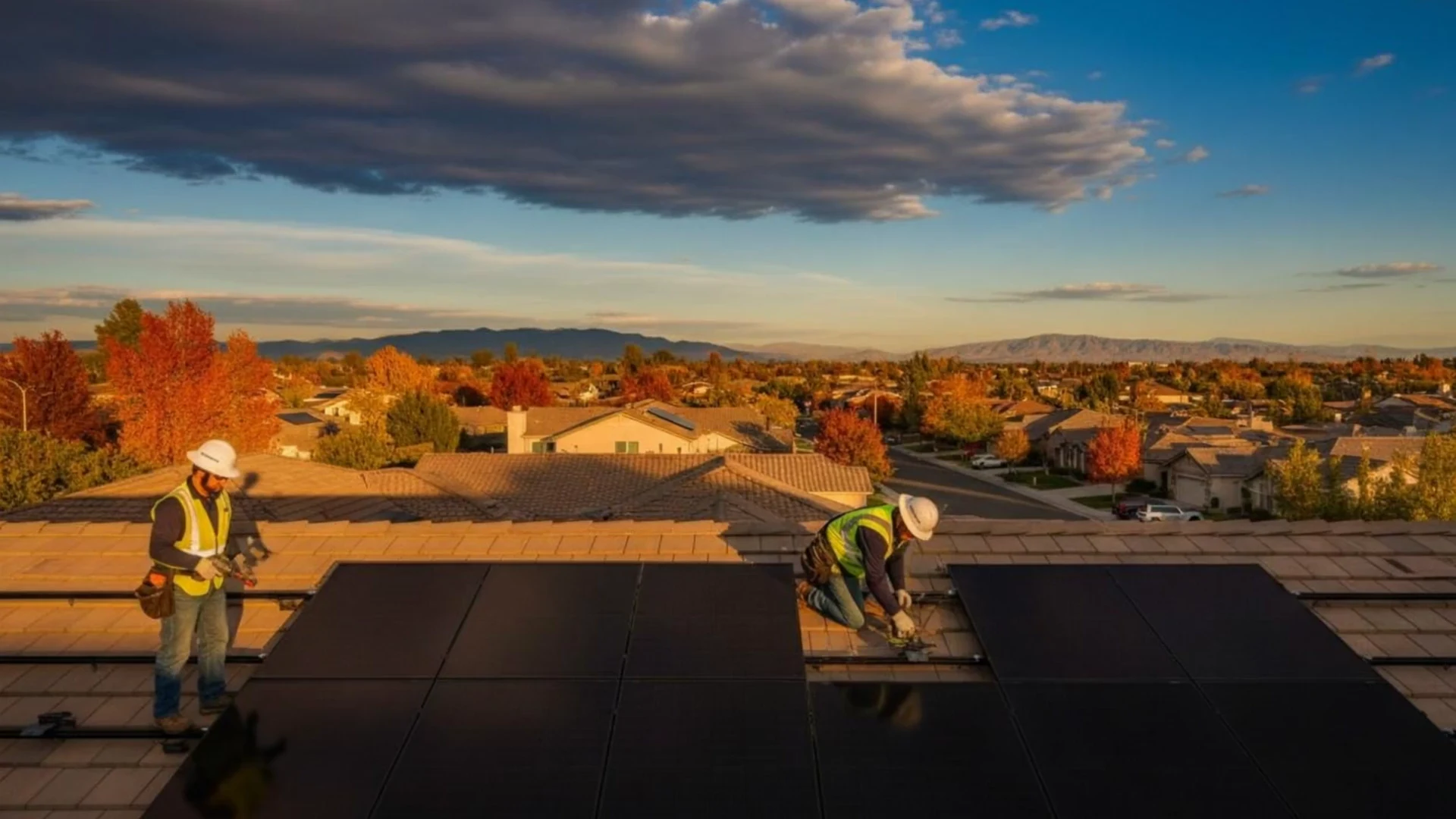
Solar Panel Removal & Reinstallation in Miami Gardens, FL
America’s #1 Choice for Energy Independence
We handle removal, storage, and reinstallation — coordinating with your roofer so your project runs smoothly from start to finish.
By submitting or calling, you consent to receive calls and SMS from The Light Group USA at the number provided, including via auto-dialer or pre-recorded messages. Consent is not required for purchase. Msg/data rates may apply. Reply STOP to opt out. See our Privacy Policy.

Protect your roof and your solar investment
Let professionals handle your solar panel removal the right way.
By submitting or calling, you consent to receive calls and SMS from The Light Group USA at the number provided, including via auto-dialer or pre-recorded messages. Consent is not required for purchase. Msg/data rates may apply. Reply STOP to opt out. See our Privacy Policy.
Panel removal and reinstall in Miami Gardens
Miami Gardens is the largest community in this group, with roughly 113,579 residents spread across 33054, 33055, 33056 and 33169, and Hard Rock Stadium sitting near the middle of it. The housing is overwhelmingly single-family, much of it under tile or aging shingle. That scale means many roofs arriving at replacement age in the same seasons, and a steady number of arrays that have to come off and go back around them.
Miami-Dade sits inside the high-velocity hurricane zone, the strictest wind region in the Florida Building Code. Attachment hardware, sealants and mounting methods are held to product approvals written for that zone, and a reinstallation is reviewed against them the way a new installation would be. That is the part homeowners rarely expect: an array does not automatically go back exactly the way it came off if the original method no longer qualifies.
The project still begins with a roofer. A tear-off date is set, the roofing crew explains it does not touch solar, and the company that installed the system may no longer exist. What the homeowner needs at that point is one clear sequence, one permit path and one party accountable for the racking, the wiring and the penetrations when everything returns to a brand new roof.
Florida Power and Light serves Miami Gardens and credits exported power at the retail rate, so the billing arrangement rides through the project unchanged. Production does not, since the array earns nothing while stored. This is planned work with a defined start and finish rather than an emergency call, which is why it schedules cleanly into a booked window covered from Orlando and Tampa.
On a Miami Gardens removal we get these right
Common questions about solar service in Miami Gardens
The reinstallation is reviewed under the Florida Building Code as it applies today in Miami-Dade, which is the high-velocity hurricane zone. That can mean the attachment hardware and sealant have to match current product approvals even though the modules themselves are the same ones that came off. It is confirmed before reinstallation, not during inspection.
It makes it slower and more detailed. Tile is lifted and set aside around each mount rather than walked over, breakage is expected and planned for, and replacement tile has to be sourced when the profile is discontinued. The upside is that the underlayment beneath the array becomes visible while there is still time to address it.
The contractor performing the work normally pulls it, and for the solar scope that is the solar contractor. What matters is that only one party files for the solar removal and reinstallation and that the homeowner knows who. Two permits filed independently, or none at all, is how a completed roof ends up waiting on paperwork.
It can, and a reroof is the least expensive moment to consider it. Relocating modules changes string lengths, shading and potentially the interconnection record, so it is designed rather than improvised on the roof. If the original layout was compromised by shade or by a vent, that is worth raising before the tear-off.
By the paperwork and the numbers rather than by appearance. A closed permit with a passed electrical reinspection, an as-built recording string layout and replaced hardware, documented torque values, and monitoring reporting again with a production figure that matches what the system made before it came down. All four are reasonable to expect at closeout.
Other solar work we do here
Panel Removal & Reinstallation near Miami Gardens
Crews based in Orlando and Tampa, covering 217 cities statewide.
South Florida
- Aventura
- Belle Glade
- Boca Raton
- Boynton Beach
- Coconut Creek
- Cooper City
- Coral Gables
- Coral Springs
- Cutler Bay
- Dania Beach
- Davie
- Deerfield Beach
- Delray Beach
- Doral
- Fort Lauderdale
- Greenacres
- Hallandale Beach
- Hialeah
- Hialeah Gardens
- Hollywood
- Homestead
- Jupiter
- Lake Worth Beach
- Lauderdale Lakes
- Lauderhill
- Margate
- Miami
- Miami Beach
- Miami Gardens
- Miami Lakes
- Miramar
- North Lauderdale
- North Miami
- North Miami Beach
- Oakland Park
- Opa-locka
- Palm Beach Gardens
- Palm Springs
- Palmetto Bay
- Parkland
- Pembroke Pines
- Pinecrest
- Plantation
- Pompano Beach
- Riviera Beach
- Royal Palm Beach
- Sunny Isles Beach
- Sunrise
- Sweetwater
- Tamarac
- Wellington
- West Palm Beach
- West Park
- Weston
We also cover Florida Panhandle, North Florida, Northeast Florida, Central Florida, Space Coast, Tampa Bay, Southwest Florida, Treasure Coast. See every Florida city we service.