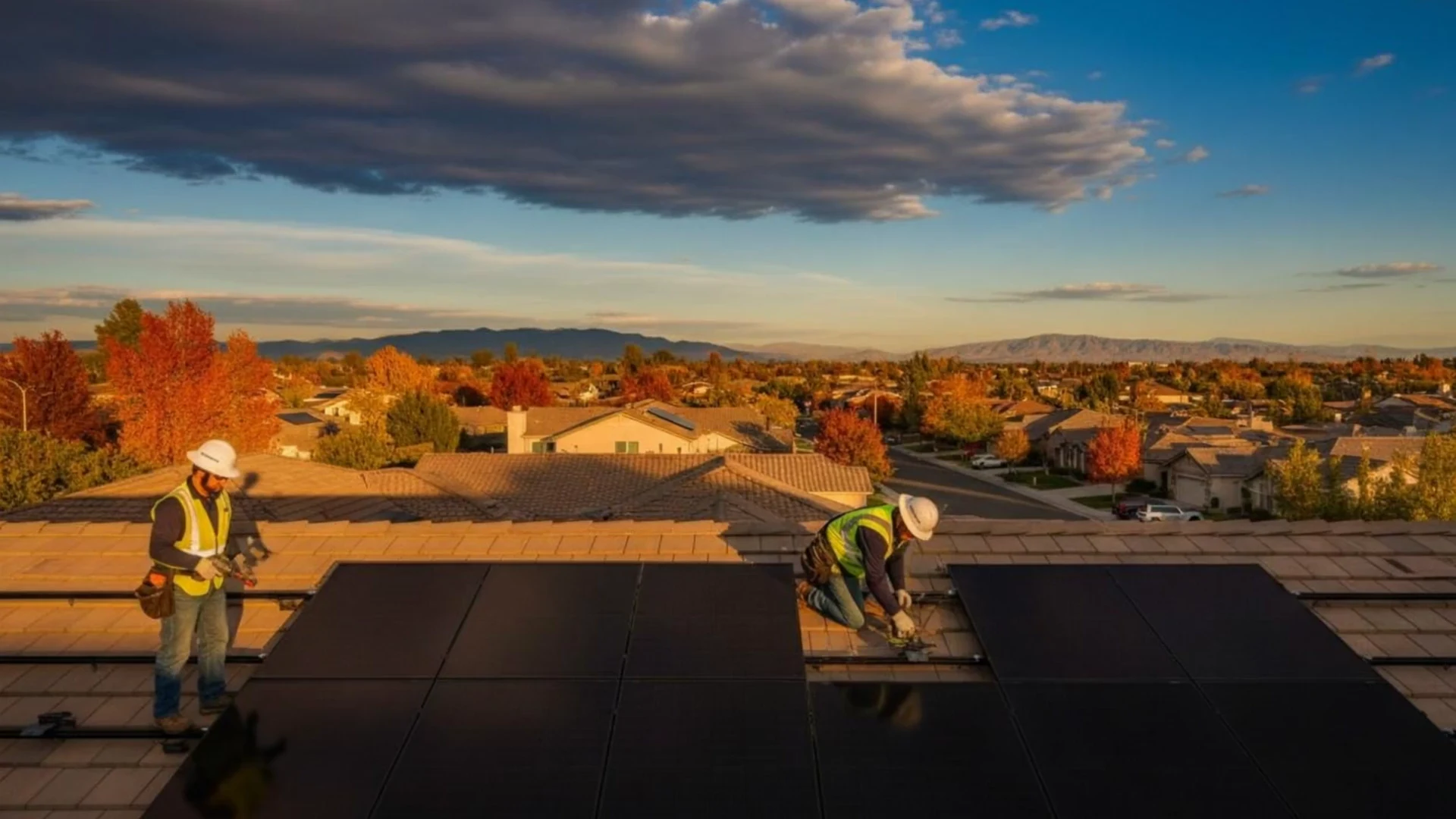
Solar Panel Removal & Reinstallation in Lake Worth Beach, FL
America’s #1 Choice for Energy Independence
We handle removal, storage, and reinstallation — coordinating with your roofer so your project runs smoothly from start to finish.
By submitting or calling, you consent to receive calls and SMS from The Light Group USA at the number provided, including via auto-dialer or pre-recorded messages. Consent is not required for purchase. Msg/data rates may apply. Reply STOP to opt out. See our Privacy Policy.

Protect your roof and your solar investment
Let professionals handle your solar panel removal the right way.
By submitting or calling, you consent to receive calls and SMS from The Light Group USA at the number provided, including via auto-dialer or pre-recorded messages. Consent is not required for purchase. Msg/data rates may apply. Reply STOP to opt out. See our Privacy Policy.
Panel removal and reinstall in Lake Worth Beach
Lake Worth Beach runs from the ocean across the Intracoastal, with Lake Avenue as the downtown spine leading to the water. Just under 44,000 people live in 33460 and 33461, in a housing stock that shifts from compact older homes near downtown to postwar blocks west of the waterway. Salt reaches all of it. When one of those roofs is replaced, the array on top comes down first and has to go back correctly.
The city runs its own electric utility, and that is not a footnote. Lake Worth Beach does not appear in the Florida Power and Light tariff list of communities served, which confirms the city is on its own system. A municipal utility sets its own interconnection requirements and its own credit for exported power rather than following the retail one-to-one arrangement the investor-owned companies use.
That changes the order of a removal project. Before the first module is unbolted, the utility side is worth confirming: what the city requires to take a system offline, what it requires to bring it back, and whether anything about the existing agreement is affected. Roofing crews rarely ask those questions, and homeowners are rarely told they exist until the array is already sitting in a garage.
On a barrier community, corrosion does its work inside the housings. Grounding lugs, clamp bolts, rail splices and MC4 shells degrade where no ground-level inspection can see them, long before the glass shows anything at all. Having the array down for a roof is the one moment those parts are reachable, and the honest version of this job includes looking at them rather than bolting the same hardware back down.
On a Lake Worth Beach removal we get these right
Common questions about solar service in Lake Worth Beach
The city municipal electric utility, not FPL. Lake Worth Beach is absent from the FPL tariff list of communities served, which confirms it is on its own system. Municipal utilities set their own credit and interconnection rules rather than the retail one-to-one crediting used by the investor-owned companies, so current terms are confirmed with the city.
Likely yes, and the requirements come from the city rather than from a statewide standard. A municipal utility can have its own process for taking an interconnected system offline and returning it to service. Asking before the array is unbolted avoids the situation where a finished roof waits on a utility step nobody planned for.
That is decided with everything on the ground, not from the driveway. Modules with intact glass and sound backsheets are usually worth reinstalling. Corroded rails, lugs and connectors can be replaced individually and rarely justify replacing an entire system. The inspection is only possible during the removal, which is the argument for doing it properly.
From the day the array comes down until the new roof passes and the reinstallation is inspected. The roof drives the length, not the solar work. The system generates nothing during that window, so tightening the gap between the roofer finishing and the reinstallation starting is where the lost production is actually saved.
It changes the sequencing pressure, not the method. Removal still has to precede the tear-off and reinstallation still waits for a completed roof and a passed inspection. The practical move is booking the solar crew when the claim is approved rather than when the roofer arrives, because the array is the step that gets discovered last.
Other solar work we do here
Panel Removal & Reinstallation near Lake Worth Beach
Crews based in Orlando and Tampa, covering 217 cities statewide.
South Florida
- Aventura
- Belle Glade
- Boca Raton
- Boynton Beach
- Coconut Creek
- Cooper City
- Coral Gables
- Coral Springs
- Cutler Bay
- Dania Beach
- Davie
- Deerfield Beach
- Delray Beach
- Doral
- Fort Lauderdale
- Greenacres
- Hallandale Beach
- Hialeah
- Hialeah Gardens
- Hollywood
- Homestead
- Jupiter
- Lake Worth Beach
- Lauderdale Lakes
- Lauderhill
- Margate
- Miami
- Miami Beach
- Miami Gardens
- Miami Lakes
- Miramar
- North Lauderdale
- North Miami
- North Miami Beach
- Oakland Park
- Opa-locka
- Palm Beach Gardens
- Palm Springs
- Palmetto Bay
- Parkland
- Pembroke Pines
- Pinecrest
- Plantation
- Pompano Beach
- Riviera Beach
- Royal Palm Beach
- Sunny Isles Beach
- Sunrise
- Sweetwater
- Tamarac
- Wellington
- West Palm Beach
- West Park
- Weston
We also cover Florida Panhandle, North Florida, Northeast Florida, Central Florida, Space Coast, Tampa Bay, Southwest Florida, Treasure Coast. See every Florida city we service.