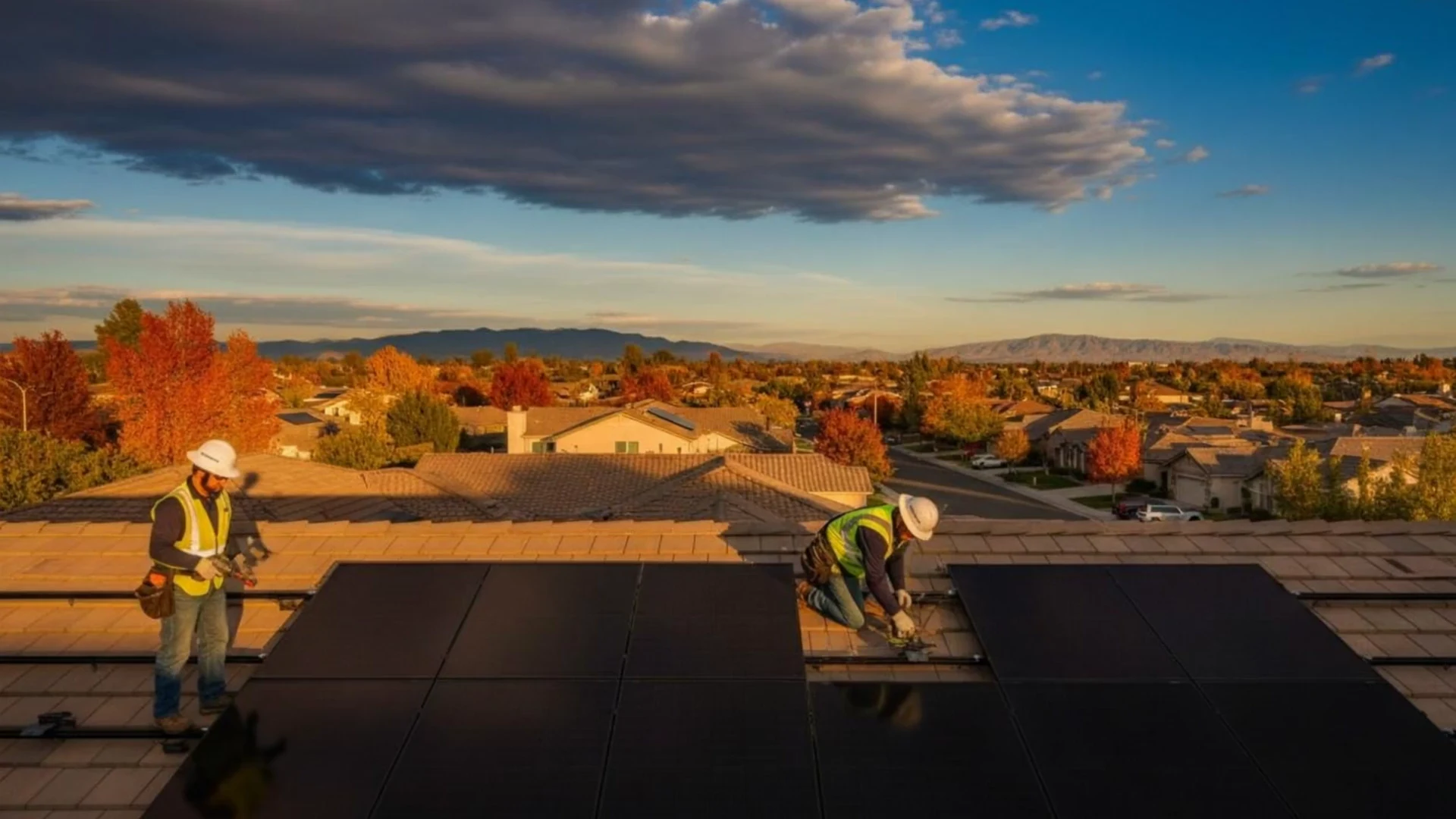
Solar Panel Removal & Reinstallation in North Miami, FL
America’s #1 Choice for Energy Independence
We handle removal, storage, and reinstallation — coordinating with your roofer so your project runs smoothly from start to finish.
By submitting or calling, you consent to receive calls and SMS from The Light Group USA at the number provided, including via auto-dialer or pre-recorded messages. Consent is not required for purchase. Msg/data rates may apply. Reply STOP to opt out. See our Privacy Policy.

Protect your roof and your solar investment
Let professionals handle your solar panel removal the right way.
By submitting or calling, you consent to receive calls and SMS from The Light Group USA at the number provided, including via auto-dialer or pre-recorded messages. Consent is not required for purchase. Msg/data rates may apply. Reply STOP to opt out. See our Privacy Policy.
Panel removal and reinstall in North Miami
North Miami sits under half a kilometer from the water, with Oleta River State Park along its eastern edge, and it falls inside Miami-Dade County. That last detail carries real weight for anything bolted to a roof here, because this is the part of Florida with the strictest wind provisions in the state building code. A solar array that comes off a roof and goes back on is re-attached under those rules, not under whatever was acceptable when it was first installed.
The reason it comes off is almost always the roof underneath. A homeowner in 33161 or 33181 books a replacement, then discovers the roofing crew excludes solar and the original installer no longer exists. Much of the housing stock here has been through more than one roof already, so the array is often the newest thing on an assembly that has been rebuilt in layers over decades.
Salt reaches every one of these blocks. It works on grounding lugs, clamp bolts, rail splices and the metal inside MC4 shells, corroding within the housing where the damage stays hidden. Panels can look immaculate while the hardware holding them to the roof is well past its service life. Removal puts all of it at eye level for the first and probably only time.
FPL serves these addresses and credits exported power at the retail rate, so the utility side is unchanged by the project. What is not unchanged is the roof: every mount is a new penetration in new material, and each has to land in structure and be flashed into the roof rather than onto it. It is scheduled work, covered from Orlando or Tampa on a window agreed with the roofer.
On a North Miami removal we get these right
Common questions about solar service in North Miami
Yes. This county sits in the most demanding wind zone in the Florida Building Code, and mounting components and attachment spacing are approved on that basis. A reinstallation is treated as new work inspected under current requirements, so racking that predates those requirements may need to be upgraded rather than simply bolted back down.
Often yes, but not automatically. Rails and clamps come down with the modules and are evaluated individually for corrosion, elongated slots and coating loss, and the attachment method is checked against what is acceptable today. In a coastal Miami-Dade location, replacing suspect hardware while the array is down costs far less than revisiting it later.
Yes. Salt-laden air does not stop at the beach, and it attacks metal well before it affects the glass. Grounding lugs, clamp bolts, rail splices and the inside of MC4 connector housings corrode where nothing is visible from the ground. Removal is the point at which every one of those connections can actually be opened.
No. FPL credits exported power at the retail rate and the interconnection is tied to the address and the system rather than to whether the modules were mounted that month. The only real cost of the downtime is lost production, which is why the roofing window is what determines the size of the gap.
For a full roof replacement, yes, because the entire deck has to be exposed, dried in and inspected. The array cannot stay mounted to a surface that is being removed. The order is fixed: solar down, roof replaced and passed, solar remounted with new flashings, then the electrical reinspection before the system is energized.
Other solar work we do here
Panel Removal & Reinstallation near North Miami
Crews based in Orlando and Tampa, covering 217 cities statewide.
South Florida
- Aventura
- Belle Glade
- Boca Raton
- Boynton Beach
- Coconut Creek
- Cooper City
- Coral Gables
- Coral Springs
- Cutler Bay
- Dania Beach
- Davie
- Deerfield Beach
- Delray Beach
- Doral
- Fort Lauderdale
- Greenacres
- Hallandale Beach
- Hialeah
- Hialeah Gardens
- Hollywood
- Homestead
- Jupiter
- Lake Worth Beach
- Lauderdale Lakes
- Lauderhill
- Margate
- Miami
- Miami Beach
- Miami Gardens
- Miami Lakes
- Miramar
- North Lauderdale
- North Miami
- North Miami Beach
- Oakland Park
- Opa-locka
- Palm Beach Gardens
- Palm Springs
- Palmetto Bay
- Parkland
- Pembroke Pines
- Pinecrest
- Plantation
- Pompano Beach
- Riviera Beach
- Royal Palm Beach
- Sunny Isles Beach
- Sunrise
- Sweetwater
- Tamarac
- Wellington
- West Palm Beach
- West Park
- Weston
We also cover Florida Panhandle, North Florida, Northeast Florida, Central Florida, Space Coast, Tampa Bay, Southwest Florida, Treasure Coast. See every Florida city we service.