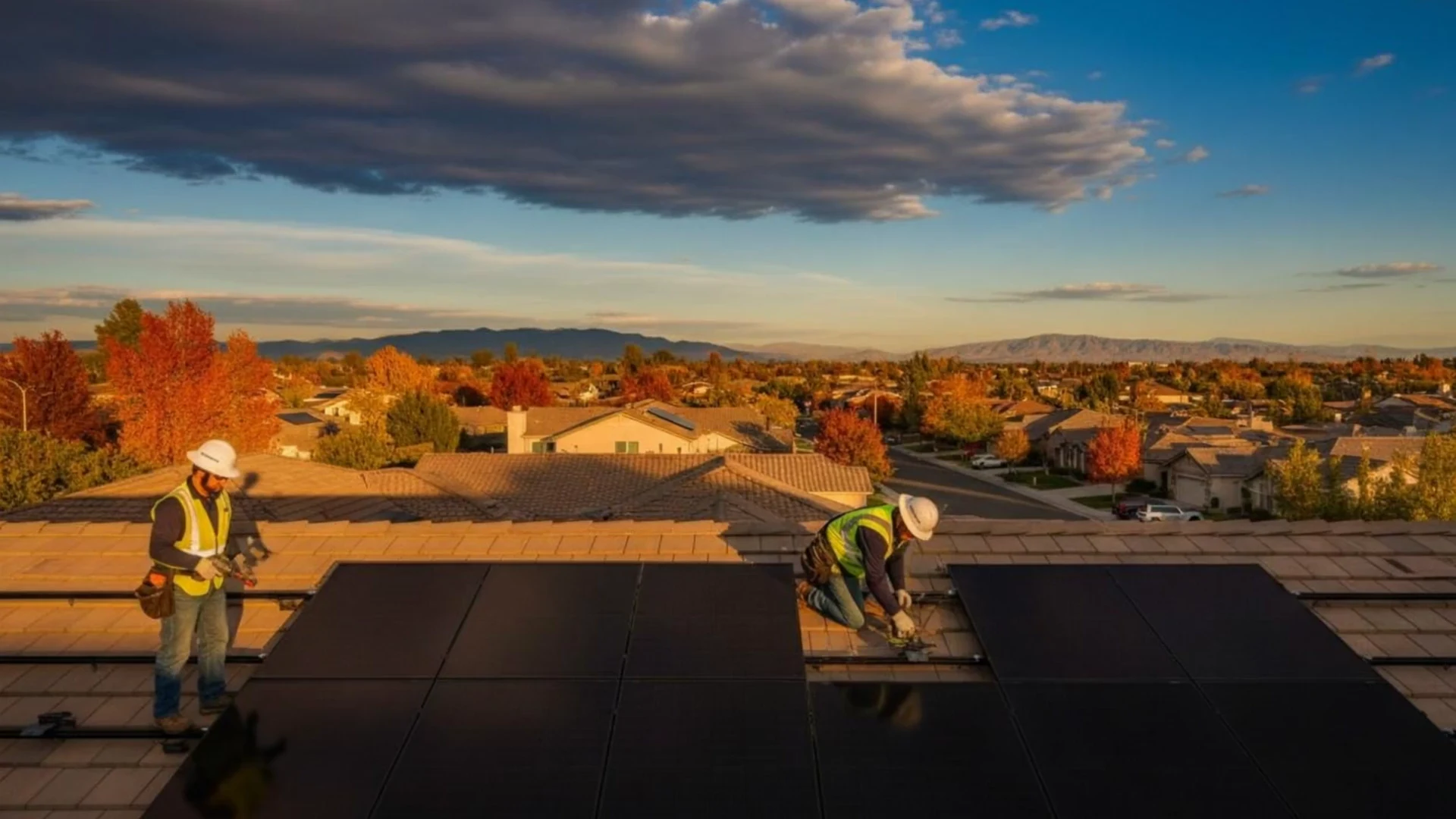
Solar Panel Removal & Reinstallation in Miami Lakes, FL
America’s #1 Choice for Energy Independence
We handle removal, storage, and reinstallation — coordinating with your roofer so your project runs smoothly from start to finish.
By submitting or calling, you consent to receive calls and SMS from The Light Group USA at the number provided, including via auto-dialer or pre-recorded messages. Consent is not required for purchase. Msg/data rates may apply. Reply STOP to opt out. See our Privacy Policy.

Protect your roof and your solar investment
Let professionals handle your solar panel removal the right way.
By submitting or calling, you consent to receive calls and SMS from The Light Group USA at the number provided, including via auto-dialer or pre-recorded messages. Consent is not required for purchase. Msg/data rates may apply. Reply STOP to opt out. See our Privacy Policy.
Panel removal and reinstall in Miami Lakes
A re-roof is measured in days or weeks, and the panels have to be somewhere for all of it. In Miami-Lakes, where lots are tight and the Main Street town center is built to be walked rather than staged from, that question is not an afterthought. A residential array's worth of modules takes real space, has to lie flat, and cannot spend three weeks leaning against a fence waiting for the deck to be finished.
Handling is where the damage actually happens, not on the roof. A module carried by one long edge flexes across the laminate. A module stacked without separators grinds against the one below it. A module set face down on a driveway takes point loads straight through the glass. None of that leaves a crack anybody can see. It shows up later as a hot spot and a string producing less than the ones next to it.
Florida Power and Light serves Miami-Lakes and credits exported energy at the retail rate, one to one. That makes an existing system worth protecting rather than rebuilding. The array that comes down should be the array that goes back up: same modules, same count, same string configuration, with documentation matching what the utility already has on file. Anything that changes gets declared before reconnection instead of surfacing at inspection.
Miami-Lakes sits inland from the coast, so the corrosion story is milder here than on a beachfront roof, but hurricane season still runs June through November and it drives when roofs get replaced. Removal and reinstallation are planned work with a firm date on both ends. We cover Miami-Lakes from Orlando and Tampa, and the schedule gets built around the roofer's calendar rather than pushed against it.
On a Miami Lakes removal we get these right
Common questions about solar service in Miami Lakes
Somewhere flat, dry, separated and out of the roofing crew's path, for as long as the roof takes. A garage bay, a covered patio or a staging area on site all work if the modules lie flat with separators between them. The plan is agreed before removal day, because re-roofs commonly run longer than the original estimate.
Yes, and it usually happens during handling rather than on the roof. Carrying a module by one long edge, stacking without separators or resting one on its glass creates cell microcracks that are invisible at the time. They appear later as hot spots and a string underperforming with no error code to explain it.
Not because of a roof replacement. FPL credits exported energy at the retail rate, one to one, and that is tied to the system on record. Reinstalling the same modules in the same configuration keeps it exactly as it was. A change to module count, layout or inverter is something to declare before reconnection.
That is what the pre-removal inventory exists for. With serials, positions and condition recorded before anything moves, a damaged module can be identified and pursued through the right channel instead of becoming an argument. A replacement also has to match the existing string electrically, which is far easier when the original specifications are documented.
Where it is sound, yes. Rails and clamps in good condition can go back on. Every mount is a new penetration through a new roof, so the flashing is new regardless of whether the rail above it is. Hardware showing corrosion, stripped threads or clamps that will not hold torque gets replaced while access is open.
Other solar work we do here
Panel Removal & Reinstallation near Miami Lakes
Crews based in Orlando and Tampa, covering 217 cities statewide.
South Florida
- Aventura
- Belle Glade
- Boca Raton
- Boynton Beach
- Coconut Creek
- Cooper City
- Coral Gables
- Coral Springs
- Cutler Bay
- Dania Beach
- Davie
- Deerfield Beach
- Delray Beach
- Doral
- Fort Lauderdale
- Greenacres
- Hallandale Beach
- Hialeah
- Hialeah Gardens
- Hollywood
- Homestead
- Jupiter
- Lake Worth Beach
- Lauderdale Lakes
- Lauderhill
- Margate
- Miami
- Miami Beach
- Miami Gardens
- Miami Lakes
- Miramar
- North Lauderdale
- North Miami
- North Miami Beach
- Oakland Park
- Opa-locka
- Palm Beach Gardens
- Palm Springs
- Palmetto Bay
- Parkland
- Pembroke Pines
- Pinecrest
- Plantation
- Pompano Beach
- Riviera Beach
- Royal Palm Beach
- Sunny Isles Beach
- Sunrise
- Sweetwater
- Tamarac
- Wellington
- West Palm Beach
- West Park
- Weston
We also cover Florida Panhandle, North Florida, Northeast Florida, Central Florida, Space Coast, Tampa Bay, Southwest Florida, Treasure Coast. See every Florida city we service.