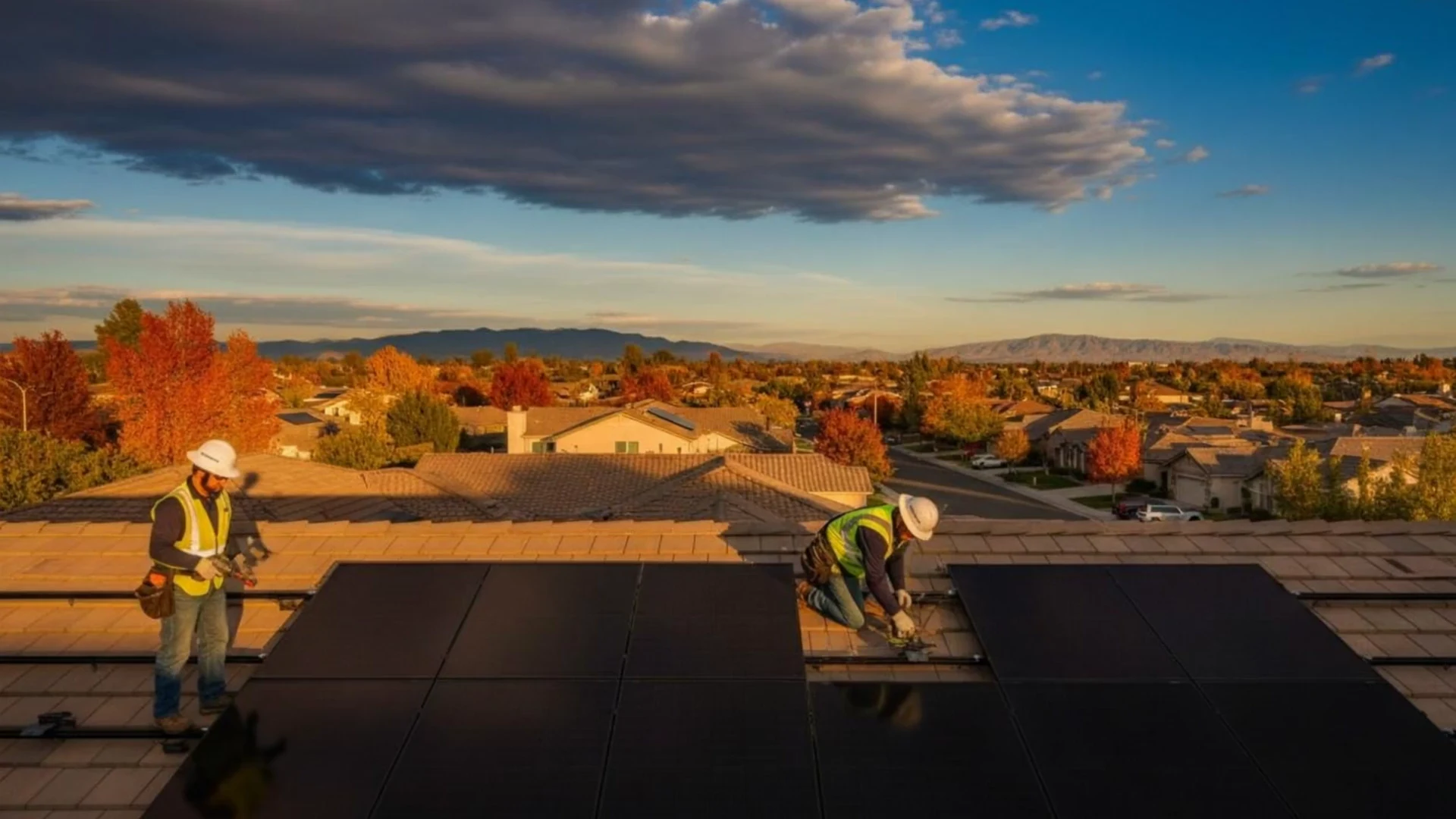
Solar Panel Removal & Reinstallation in Coral Springs, FL
America’s #1 Choice for Energy Independence
We handle removal, storage, and reinstallation — coordinating with your roofer so your project runs smoothly from start to finish.
By submitting or calling, you consent to receive calls and SMS from The Light Group USA at the number provided, including via auto-dialer or pre-recorded messages. Consent is not required for purchase. Msg/data rates may apply. Reply STOP to opt out. See our Privacy Policy.

Protect your roof and your solar investment
Let professionals handle your solar panel removal the right way.
By submitting or calling, you consent to receive calls and SMS from The Light Group USA at the number provided, including via auto-dialer or pre-recorded messages. Consent is not required for purchase. Msg/data rates may apply. Reply STOP to opt out. See our Privacy Policy.
Panel removal and reinstall in Coral Springs
Coral Springs was built in planned waves, and roofs age the same way. Whole streets around Mullins Park reach replacement age within a season or two of each other, which is why solar removal calls here tend to arrive in clusters. The homeowner is not unhappy with the system. The system is simply in the way of a tear-off that has already been scheduled, and nobody in the roofing contract owns the array.
Florida Power and Light serves the city, and FPL credits exported energy at the retail rate on a one-to-one basis. Your interconnection agreement is already on file, and taking the array down does not cancel it. What matters is that the system comes back online documented and inspected, with any change in module count or layout reflected properly, so the account is not left in a state nobody at the utility can explain later.
This part of Broward sits several miles back from the coast, so salt is not the main culprit. What ages a Coral Springs array is sun and heat: cable ties gone brittle and snapped, wiring sagging into the roof plane, conduit clips loose, junction covers chalked. None of it throws an error code. A removal forces every one of those details into daylight, and rebuilding wire management costs almost nothing while the modules are already off.
Removal and reinstallation is planned work with two fixed dates, which is why a crew based in Orlando or Tampa can serve it properly. The array comes down before the tear-off, the modules are stored where they cannot be walked on, and reinstallation waits until the new surface is finished. The one thing worth respecting is the calendar: nobody wants an open deck during the heart of hurricane season.
On a Coral Springs removal we get these right
Common questions about solar service in Coral Springs
The utility does not have to approve a temporary removal, but the reconnection needs to be clean. Florida Power and Light credits exports at the retail rate, one for one, and your interconnection agreement stays on file through a re-roof. If the reinstalled system changes in size or configuration, that change should be reflected so the agreement matches what is actually on the roof.
Possibly, if your community has architectural rules. The removal itself is invisible once the roof is done, but neighborhoods with review processes may want notice of the roofing work and confirmation that the array returns to an approved layout. Reinstalling in the same footprint avoids most questions. If the layout has to change, tell the association before the panels come down.
This is the ideal window for such work. Racking is already exposed, conductors are accessible and the roof is new, so adding capacity or replacing an aging inverter costs far less labor than doing it later as a standalone job. Any change in system size needs to be permitted and reflected with the utility, so it is decided before the removal date.
It goes quiet, and that is expected. With the inverter off, the portal reports no production and may send offline alerts. The bigger risk is a system whose monitoring account was set up by an installer who no longer exists, since nobody has the login. We identify that before removal so the portal can be recovered or rebuilt at reconnection.
As soon as the roofing date exists. Removal and reinstall are two appointments tied to somebody else's calendar, and the reinstall cannot happen until the new surface is complete. Booking early keeps the array off the roof for the shortest possible time and avoids leaving an open deck during the June through November hurricane season.
Other solar work we do here
Panel Removal & Reinstallation near Coral Springs
Crews based in Orlando and Tampa, covering 217 cities statewide.
South Florida
- Aventura
- Belle Glade
- Boca Raton
- Boynton Beach
- Coconut Creek
- Cooper City
- Coral Gables
- Coral Springs
- Cutler Bay
- Dania Beach
- Davie
- Deerfield Beach
- Delray Beach
- Doral
- Fort Lauderdale
- Greenacres
- Hallandale Beach
- Hialeah
- Hialeah Gardens
- Hollywood
- Homestead
- Jupiter
- Lake Worth Beach
- Lauderdale Lakes
- Lauderhill
- Margate
- Miami
- Miami Beach
- Miami Gardens
- Miami Lakes
- Miramar
- North Lauderdale
- North Miami
- North Miami Beach
- Oakland Park
- Opa-locka
- Palm Beach Gardens
- Palm Springs
- Palmetto Bay
- Parkland
- Pembroke Pines
- Pinecrest
- Plantation
- Pompano Beach
- Riviera Beach
- Royal Palm Beach
- Sunny Isles Beach
- Sunrise
- Sweetwater
- Tamarac
- Wellington
- West Palm Beach
- West Park
- Weston
We also cover Florida Panhandle, North Florida, Northeast Florida, Central Florida, Space Coast, Tampa Bay, Southwest Florida, Treasure Coast. See every Florida city we service.