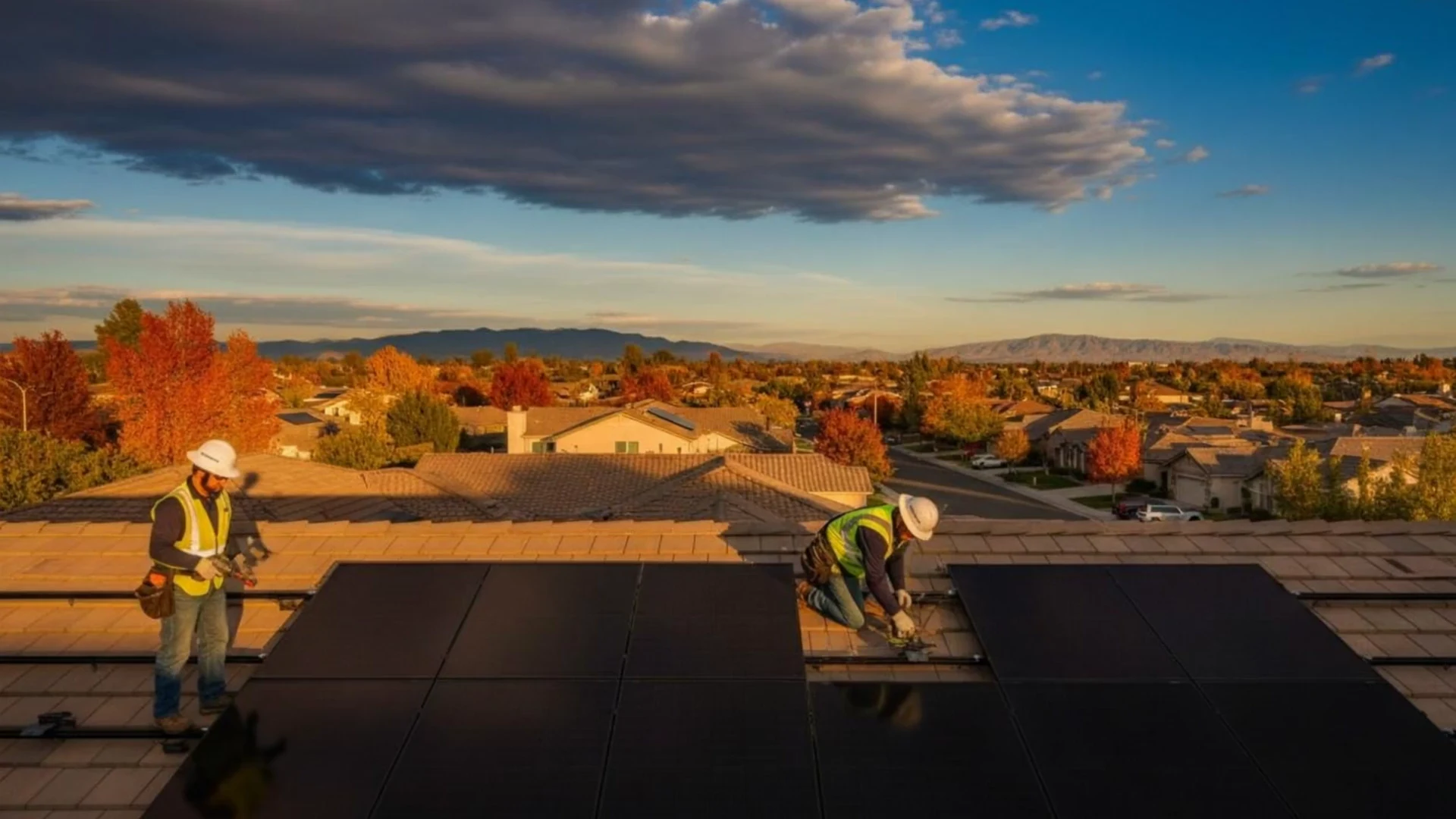
Solar Panel Removal & Reinstallation in Coral Gables, FL
America’s #1 Choice for Energy Independence
We handle removal, storage, and reinstallation — coordinating with your roofer so your project runs smoothly from start to finish.
By submitting or calling, you consent to receive calls and SMS from The Light Group USA at the number provided, including via auto-dialer or pre-recorded messages. Consent is not required for purchase. Msg/data rates may apply. Reply STOP to opt out. See our Privacy Policy.

Protect your roof and your solar investment
Let professionals handle your solar panel removal the right way.
By submitting or calling, you consent to receive calls and SMS from The Light Group USA at the number provided, including via auto-dialer or pre-recorded messages. Consent is not required for purchase. Msg/data rates may apply. Reply STOP to opt out. See our Privacy Policy.
Panel removal and reinstall in Coral Gables
Coral Gables was built to a plan, and the housing stock shows it: tile roofs, deep eaves and a look the city cares about keeping. Off Miracle Mile and through the neighborhoods along Coral Way, the roof under the array is the reason most removal jobs happen. A tile reroof is not a shingle reroof, and pulling panels off tile is not the same job as pulling them off asphalt either.
Coral Gables is FPL territory, which means exported power is credited at the retail rate one for one and the interconnection record follows the address. The address is also at the water. Salt reaches rails, bolts, grounding lugs and MC4 connectors long before it touches the glass, and it corrodes inside the housings where nobody is looking until a connector fails.
On tile, every mount is a hole through a brittle surface that was cut and set by hand. Panels coming off means tiles come off with them, and some will break no matter how careful the crew is. Replacements have to be sourced and matched, and the count needs to be agreed with the roofer before anyone starts rather than discovered at the end.
This is scheduled work with a fixed date, which is what makes covering Coral Gables from Orlando and Tampa workable. It also leaves room for the permitting a removal and reinstall needs here, where the address sits inside an incorporated city with its own review process rather than in an unincorporated pocket of Miami-Dade County. Booking outside hurricane season, June through November, keeps a stripped roof from waiting on weather.
On a Coral Gables removal we get these right
Common questions about solar service in Coral Gables
Yes, and it is routine, but it is slower and costlier than on shingle. Tiles have to come up around each mount, some will break and need matching replacements, and the new mounts have to be flashed into the tile system rather than sealed on top of it. The tile count and who supplies replacements is agreed before work starts.
Yes, at the hardware level. Salt attacks rails, bolts, grounding lugs and MC4 connectors before it does anything visible to the panels, and it works inside connector housings where you cannot see it. A removal is the only practical chance to inspect all of it, so corroded parts are replaced rather than bolted back down.
They are usually two permits. The roofer permits the roof, and the removal and reinstall of the PV system is permitted separately, each with its own inspection. In Coral Gables both go through the city, since the address is inside an incorporated municipality rather than unincorporated Miami-Dade County. The exact path is confirmed before scheduling.
As long as the roof takes, which is usually days to a few weeks rather than hours. The panels come down in a day or two, then the array waits on the roofing schedule and the roof inspection before anything goes back up. The reinstall is booked against the roofer dates instead of guessed at.
This is common and it is workable. An orphaned system is read off the equipment rather than the paperwork: module and inverter labels, string layout, disconnect and meter arrangement. Monitoring tied to the original installer account often has to be rebuilt too, which is worth doing while the array is already down.
Other solar work we do here
Panel Removal & Reinstallation near Coral Gables
Crews based in Orlando and Tampa, covering 217 cities statewide.
South Florida
- Aventura
- Belle Glade
- Boca Raton
- Boynton Beach
- Coconut Creek
- Cooper City
- Coral Gables
- Coral Springs
- Cutler Bay
- Dania Beach
- Davie
- Deerfield Beach
- Delray Beach
- Doral
- Fort Lauderdale
- Greenacres
- Hallandale Beach
- Hialeah
- Hialeah Gardens
- Hollywood
- Homestead
- Jupiter
- Lake Worth Beach
- Lauderdale Lakes
- Lauderhill
- Margate
- Miami
- Miami Beach
- Miami Gardens
- Miami Lakes
- Miramar
- North Lauderdale
- North Miami
- North Miami Beach
- Oakland Park
- Opa-locka
- Palm Beach Gardens
- Palm Springs
- Palmetto Bay
- Parkland
- Pembroke Pines
- Pinecrest
- Plantation
- Pompano Beach
- Riviera Beach
- Royal Palm Beach
- Sunny Isles Beach
- Sunrise
- Sweetwater
- Tamarac
- Wellington
- West Palm Beach
- West Park
- Weston
We also cover Florida Panhandle, North Florida, Northeast Florida, Central Florida, Space Coast, Tampa Bay, Southwest Florida, Treasure Coast. See every Florida city we service.