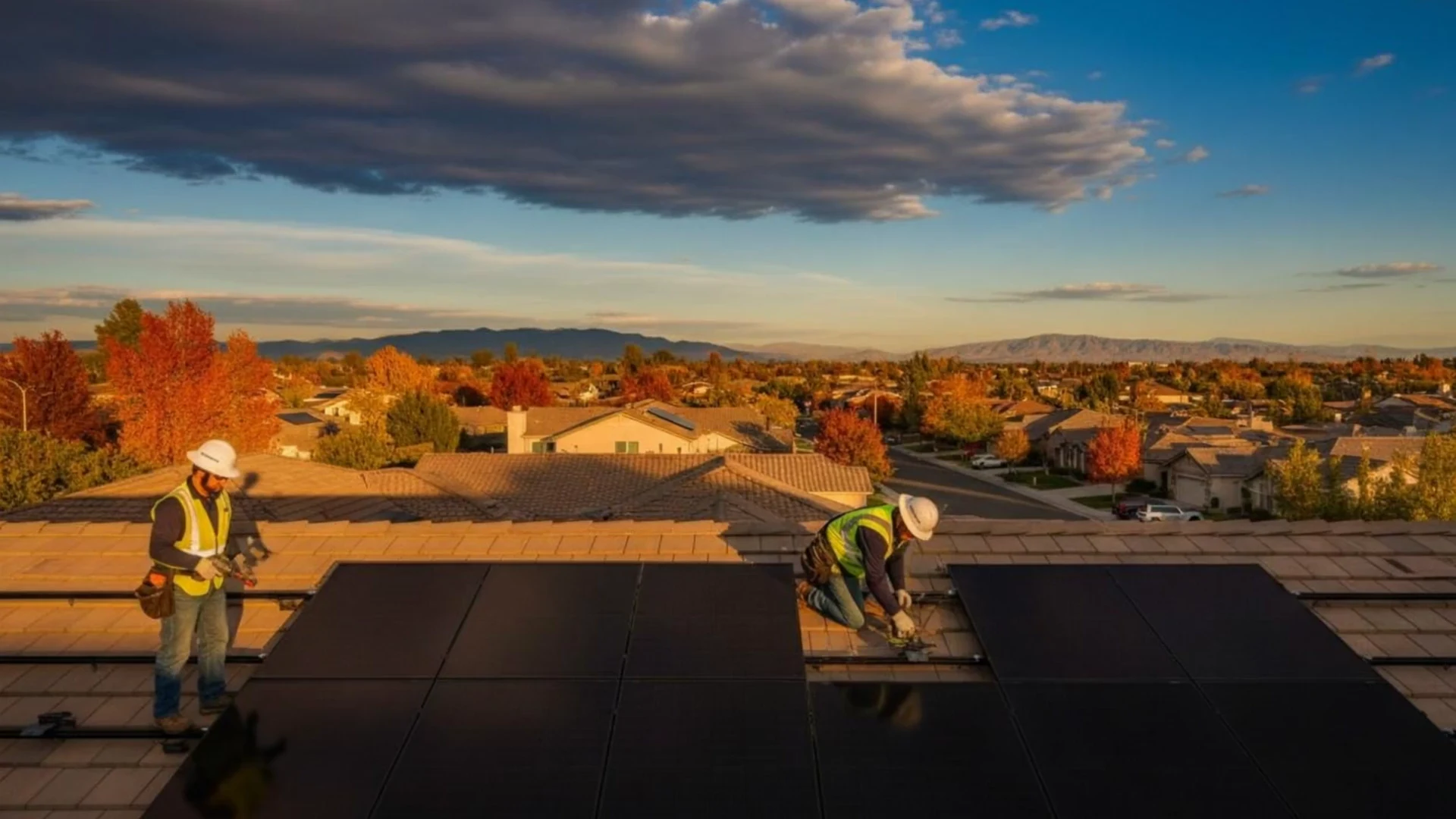
Solar Panel Removal & Reinstallation in Pembroke Pines, FL
America’s #1 Choice for Energy Independence
We handle removal, storage, and reinstallation — coordinating with your roofer so your project runs smoothly from start to finish.
By submitting or calling, you consent to receive calls and SMS from The Light Group USA at the number provided, including via auto-dialer or pre-recorded messages. Consent is not required for purchase. Msg/data rates may apply. Reply STOP to opt out. See our Privacy Policy.

Protect your roof and your solar investment
Let professionals handle your solar panel removal the right way.
By submitting or calling, you consent to receive calls and SMS from The Light Group USA at the number provided, including via auto-dialer or pre-recorded messages. Consent is not required for purchase. Msg/data rates may apply. Reply STOP to opt out. See our Privacy Policy.
Panel removal and reinstall in Pembroke Pines
Pembroke Pines spreads west of Flamingo Road across Broward County, built out in successive waves of tract housing around Pines Boulevard and the Pembroke Lakes Mall. Whole subdivisions share a builder, a floor plan and a roof type. When an array has to come off one of those roofs, the roof type usually decides how the week is going to go.
A great many of those roofs are concrete or clay tile, and tile changes the job. Mounting hardware sits under lifted tiles rather than on top of shingles, tiles break when they are walked wrong, and replacements for a discontinued profile are not always available. Removal here starts with counting tiles and confirming that matching ones exist before anything is lifted.
The trigger is the same one everywhere: a roof contract is signed, the roofer excludes solar, and the original installer is unreachable. In a city this size that is a common story rather than bad luck. What is needed is a defined scope with a real sequence: shutdown, labeling, removal by rows, secure storage, then a reinstallation that lands on structure.
Pembroke Pines is far enough inland that the daily problem is heat and grime, not spray. Modules run hot and derate; dust and pollen shave output with no error to show for it. FPL serves the city and credits exported energy at retail, so the meter resumes as before once the reconnection is approved. The permit comes through the city.
On a Pembroke Pines removal we get these right
Common questions about solar service in Pembroke Pines
It usually costs more time than a shingle roof does. Tiles have to be lifted rather than stripped past, breakage is expected, and replacement tiles for older profiles can be slow to source. The mounting hardware is different too. Confirming tile availability before the array comes off is what keeps the schedule honest.
No, and trying is what causes damage. The array has to be fully off before the tear-off begins, and the new roof has to be complete before reinstallation starts. Two trades on one roof means modules being moved around active roofing work, which is exactly how panels get cracked.
Longer than a shingle job. Removal is typically one day and reinstallation another; everything between belongs to the roofer, the tile supply and the inspection queue. Weeks is realistic for tile. Booking the reinstallation visit at the same time as the removal is what keeps the gap from stretching further.
There is a reconnection step, yes. FPL credits exported energy at the retail rate and that does not change, but exports stop while the modules are off and resume once the reinstallation passes inspection and the utility clears the system. Handling that paperwork alongside the permit avoids a finished array waiting on an email.
No. Orphaned systems are routine, particularly in neighborhoods built out during the same installer boom. String layout, racking model, inverter settings and monitoring access get reconstructed from the equipment itself while the array is down, then handed back so the next roof job does not start from zero again.
Other solar work we do here
Panel Removal & Reinstallation near Pembroke Pines
Crews based in Orlando and Tampa, covering 217 cities statewide.
South Florida
- Aventura
- Belle Glade
- Boca Raton
- Boynton Beach
- Coconut Creek
- Cooper City
- Coral Gables
- Coral Springs
- Cutler Bay
- Dania Beach
- Davie
- Deerfield Beach
- Delray Beach
- Doral
- Fort Lauderdale
- Greenacres
- Hallandale Beach
- Hialeah
- Hialeah Gardens
- Hollywood
- Homestead
- Jupiter
- Lake Worth Beach
- Lauderdale Lakes
- Lauderhill
- Margate
- Miami
- Miami Beach
- Miami Gardens
- Miami Lakes
- Miramar
- North Lauderdale
- North Miami
- North Miami Beach
- Oakland Park
- Opa-locka
- Palm Beach Gardens
- Palm Springs
- Palmetto Bay
- Parkland
- Pembroke Pines
- Pinecrest
- Plantation
- Pompano Beach
- Riviera Beach
- Royal Palm Beach
- Sunny Isles Beach
- Sunrise
- Sweetwater
- Tamarac
- Wellington
- West Palm Beach
- West Park
- Weston
We also cover Florida Panhandle, North Florida, Northeast Florida, Central Florida, Space Coast, Tampa Bay, Southwest Florida, Treasure Coast. See every Florida city we service.