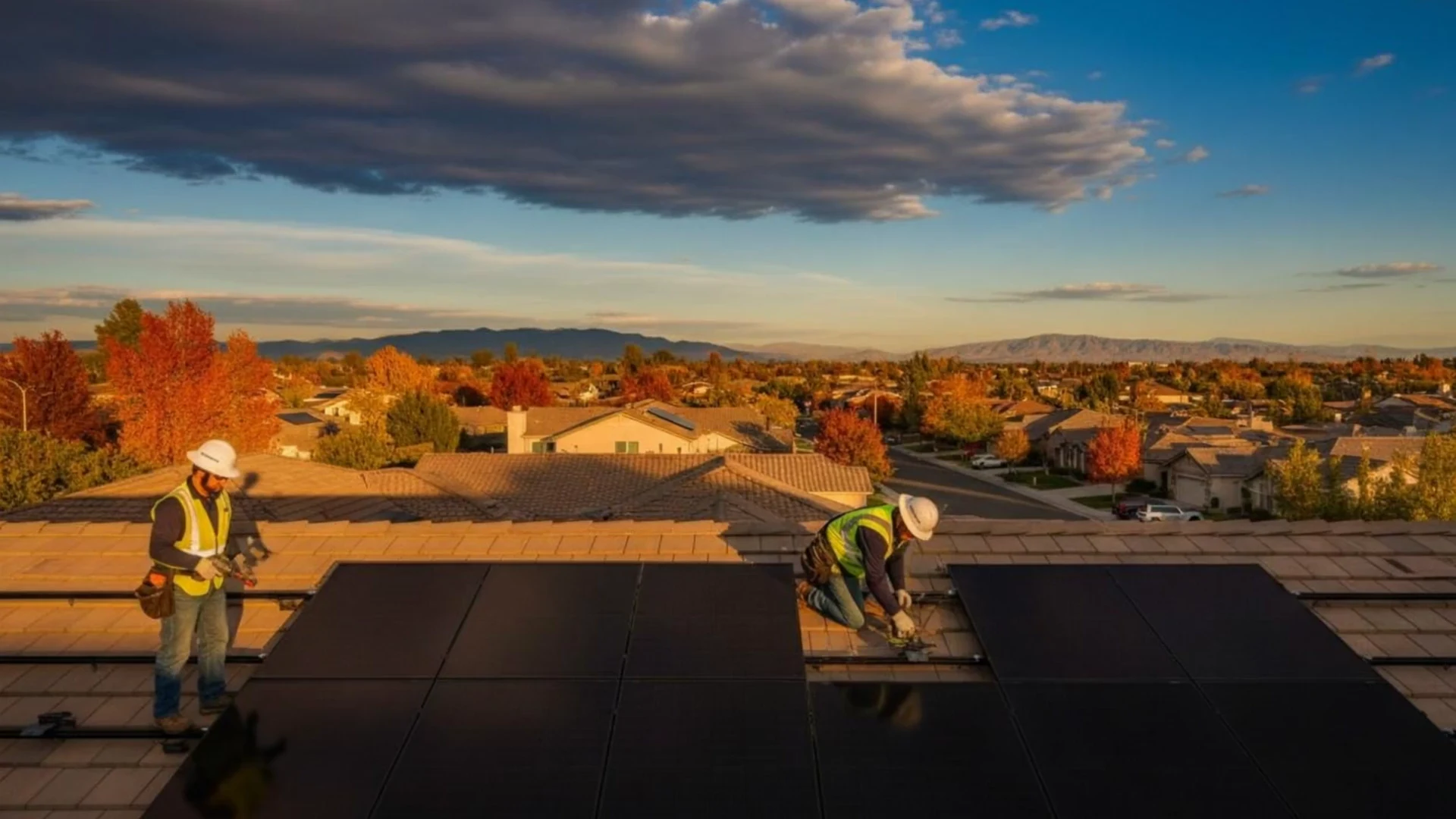
Solar Panel Removal & Reinstallation in Hialeah Gardens, FL
America’s #1 Choice for Energy Independence
We handle removal, storage, and reinstallation — coordinating with your roofer so your project runs smoothly from start to finish.
By submitting or calling, you consent to receive calls and SMS from The Light Group USA at the number provided, including via auto-dialer or pre-recorded messages. Consent is not required for purchase. Msg/data rates may apply. Reply STOP to opt out. See our Privacy Policy.

Protect your roof and your solar investment
Let professionals handle your solar panel removal the right way.
By submitting or calling, you consent to receive calls and SMS from The Light Group USA at the number provided, including via auto-dialer or pre-recorded messages. Consent is not required for purchase. Msg/data rates may apply. Reply STOP to opt out. See our Privacy Policy.
Panel removal and reinstall in Hialeah Gardens
Hialeah Gardens sits well inland, and Okeechobee Road carries the city's traffic and its commerce past most of the residential streets. That corridor is part of the story for a rooftop array: road grit and exhaust film settle on glass in a way that a coastal breeze never delivers. When the roof under that array finally needs replacing, the panels come off first, and the roofing crew is almost never the one to do it.
The trigger is nearly always the roof, not the solar. An owner books a tear-off, then learns two things in the same week: the roofer will not touch the array, and the company that installed it does not answer the phone anymore. That is a normal starting point here, and it is workable. What it changes is the paperwork, because nothing about the original install can be assumed.
Removal is straightforward when it is done in order. The system is shut down and locked out, strings are isolated and verified dead, each module is tagged to its position, and rows come off from the top down. Rails, clamps and rooftop conduit follow. What matters is the record: photographs, string map, module and inverter model numbers, so the reinstall rebuilds the original design instead of an approximation.
Hialeah Gardens is an incorporated city, so the detach-and-reset permit and reinspection generally run through city review. This is scheduled work, covered from Orlando and Tampa with a booked window rather than a same-day call. FPL credits exported power at the retail rate, so the sooner the reset clears inspection, the sooner the system is banking credit again instead of sitting in a garage.
On a Hialeah Gardens removal we get these right
Common questions about solar service in Hialeah Gardens
It is common and it is workable. Everything needed can be read off the equipment during removal: panel and inverter models, serial numbers, string layout, rapid shutdown devices. That record is rebuilt as part of the job, so the reinstall matches the original design and you end up with documentation you did not have before.
In most Florida jurisdictions yes, and a Hialeah Gardens address generally files with the city. A detach and reset is treated as work on an electrical system attached to a structure, so it is permitted and reinspected. The array should stay de-energized until the reinspection passes, regardless of the roof being finished.
Sometimes, if the work area does not reach under the array and the roofer accepts the constraint. More often the tear-off covers the whole plane the panels sit on, and partial work leaves an unclear boundary for warranty. Confirm the exact scope with the roofer before assuming a section can stay mounted.
Upright, separated, off the ground and out of the weather, usually in a garage or a secured on-site location agreed in advance. Panels are never stacked face down or leaned on the glass, since that is where handling damage starts. Storage location and duration get settled before removal day, not during it.
The interconnection stays in place, so there is no new agreement for a straight detach and reset that returns the same equipment to the roof. FPL credits exports at retail rate. What does change is the local inspection record. If the array size or equipment changes during the project, that is a different conversation with the utility.
Other solar work we do here
Panel Removal & Reinstallation near Hialeah Gardens
Crews based in Orlando and Tampa, covering 217 cities statewide.
South Florida
- Aventura
- Belle Glade
- Boca Raton
- Boynton Beach
- Coconut Creek
- Cooper City
- Coral Gables
- Coral Springs
- Cutler Bay
- Dania Beach
- Davie
- Deerfield Beach
- Delray Beach
- Doral
- Fort Lauderdale
- Greenacres
- Hallandale Beach
- Hialeah
- Hialeah Gardens
- Hollywood
- Homestead
- Jupiter
- Lake Worth Beach
- Lauderdale Lakes
- Lauderhill
- Margate
- Miami
- Miami Beach
- Miami Gardens
- Miami Lakes
- Miramar
- North Lauderdale
- North Miami
- North Miami Beach
- Oakland Park
- Opa-locka
- Palm Beach Gardens
- Palm Springs
- Palmetto Bay
- Parkland
- Pembroke Pines
- Pinecrest
- Plantation
- Pompano Beach
- Riviera Beach
- Royal Palm Beach
- Sunny Isles Beach
- Sunrise
- Sweetwater
- Tamarac
- Wellington
- West Palm Beach
- West Park
- Weston
We also cover Florida Panhandle, North Florida, Northeast Florida, Central Florida, Space Coast, Tampa Bay, Southwest Florida, Treasure Coast. See every Florida city we service.