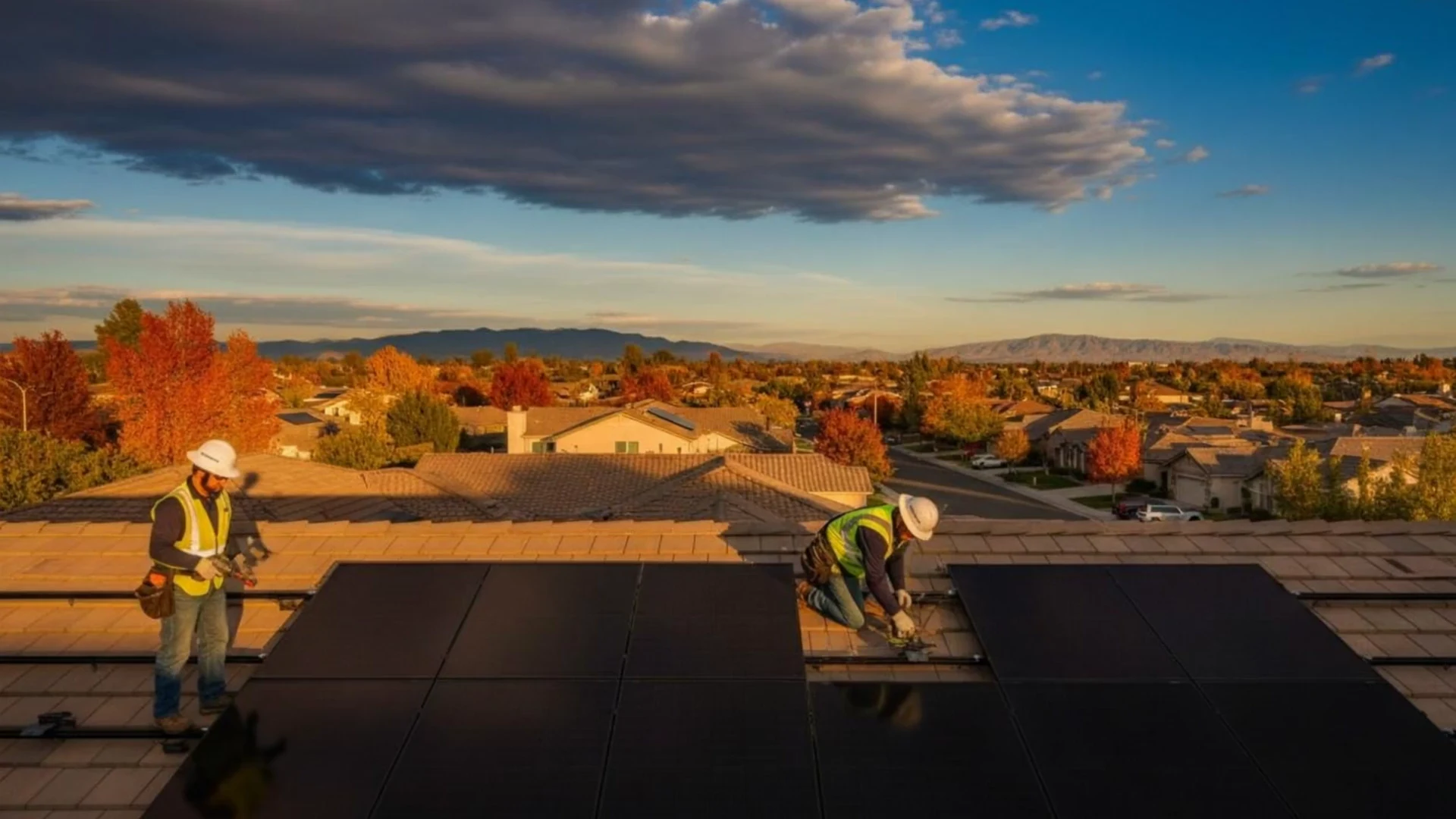
Solar Panel Removal & Reinstallation in Pompano Beach, FL
America’s #1 Choice for Energy Independence
We handle removal, storage, and reinstallation — coordinating with your roofer so your project runs smoothly from start to finish.
By submitting or calling, you consent to receive calls and SMS from The Light Group USA at the number provided, including via auto-dialer or pre-recorded messages. Consent is not required for purchase. Msg/data rates may apply. Reply STOP to opt out. See our Privacy Policy.

Protect your roof and your solar investment
Let professionals handle your solar panel removal the right way.
By submitting or calling, you consent to receive calls and SMS from The Light Group USA at the number provided, including via auto-dialer or pre-recorded messages. Consent is not required for purchase. Msg/data rates may apply. Reply STOP to opt out. See our Privacy Policy.
Panel removal and reinstall in Pompano Beach
A lot of arrays in Broward were installed by companies that no longer answer the phone. The monitoring portal stopped reporting years ago, the login belonged to the installer, and nobody in the house has a string diagram or a list of serial numbers. Then the roof needs replacing, and all of that missing paperwork turns into a problem with a deadline attached to it.
Which is why the first hour on an orphaned system is documentation, not demolition. Modules get counted, serials recorded, positions mapped and strings traced before anything is unplugged. The roof gets photographed exactly as it stands. That record is what makes a faithful reinstallation possible, and it is what a warranty department, an insurance adjuster or the next owner of the house will eventually ask to see.
FPL serves Pompano Beach and credits exported energy at the retail rate, one to one. An orphaned system is not an unregistered one. There is an interconnection record with the utility, and the array that goes back up should match it, same module count and same inverter, or the difference should be declared rather than left for somebody to discover at the reconnection inspection.
The oceanfront adds its own layer. Out past the Airpark where the Goodyear Blimp keeps its base, salt reaches hardware under the modules that nobody has looked at since the day it went up. This is the one moment it is all within reach. Pompano Beach is planned work on a set calendar, covered from Orlando and Tampa, scheduled around the roofer rather than around a storm.
On a Pompano Beach removal we get these right
Common questions about solar service in Pompano Beach
Yes. Equipment does not stop being serviceable because the company that sold it closed. What is usually missing is documentation: string diagrams, serial lists, monitoring access and permit records. That gets rebuilt as part of the removal itself, by documenting the array in place, photograph by photograph, before anything is unplugged.
In many cases yes, because the hardware is still on the wall and it is the account that is inaccessible rather than the equipment. Reinstallation is the sensible moment to sort it out, with the system already being handled and commissioned. A system nobody can monitor is one where a dead string goes unnoticed for a year.
It does not prevent the removal, but it is worth knowing before the roof is opened. The permit for removal and reinstallation is a separate application, and the reconnection will be inspected regardless of what history exists. The authority is either the city or unincorporated Broward County depending on the address, and that gets confirmed first.
A workmanship warranty is only as good as the company standing behind it, so when the installer is gone that coverage is effectively gone too. Manufacturer warranties on the modules and the inverter are separate and attach to the equipment itself, which is exactly why serial numbers and model records get collected during removal.
Physically yes, but it changes the string configuration and the system on record with FPL, and it lowers production permanently. A missing module in a series string affects the whole string, not only itself. If replacement is not practical, the reduced configuration should be designed deliberately and declared, not left as a gap on the roof.
Other solar work we do here
Panel Removal & Reinstallation near Pompano Beach
Crews based in Orlando and Tampa, covering 217 cities statewide.
South Florida
- Aventura
- Belle Glade
- Boca Raton
- Boynton Beach
- Coconut Creek
- Cooper City
- Coral Gables
- Coral Springs
- Cutler Bay
- Dania Beach
- Davie
- Deerfield Beach
- Delray Beach
- Doral
- Fort Lauderdale
- Greenacres
- Hallandale Beach
- Hialeah
- Hialeah Gardens
- Hollywood
- Homestead
- Jupiter
- Lake Worth Beach
- Lauderdale Lakes
- Lauderhill
- Margate
- Miami
- Miami Beach
- Miami Gardens
- Miami Lakes
- Miramar
- North Lauderdale
- North Miami
- North Miami Beach
- Oakland Park
- Opa-locka
- Palm Beach Gardens
- Palm Springs
- Palmetto Bay
- Parkland
- Pembroke Pines
- Pinecrest
- Plantation
- Pompano Beach
- Riviera Beach
- Royal Palm Beach
- Sunny Isles Beach
- Sunrise
- Sweetwater
- Tamarac
- Wellington
- West Palm Beach
- West Park
- Weston
We also cover Florida Panhandle, North Florida, Northeast Florida, Central Florida, Space Coast, Tampa Bay, Southwest Florida, Treasure Coast. See every Florida city we service.