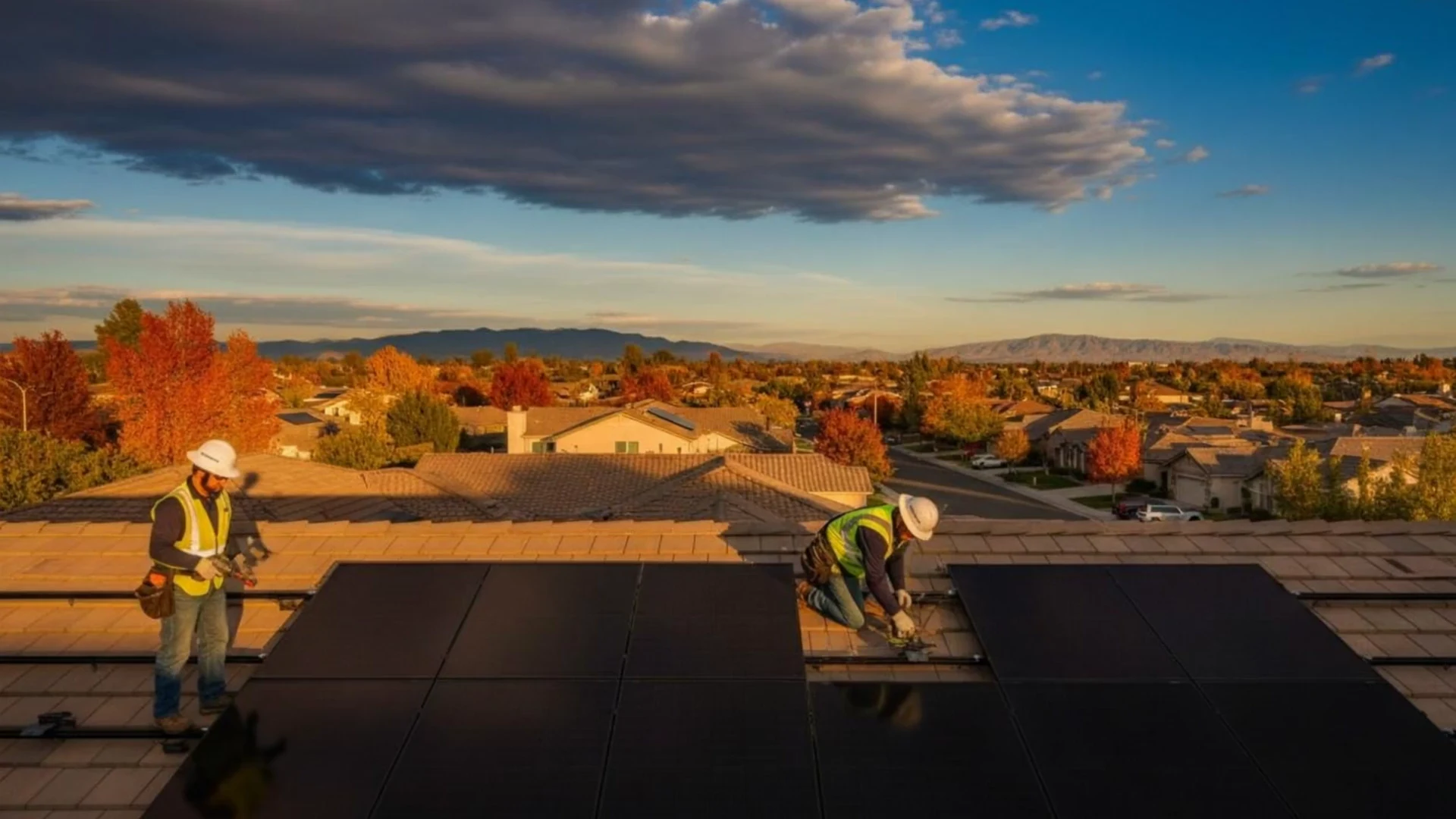
Solar Panel Removal & Reinstallation in Fort Lauderdale, FL
America’s #1 Choice for Energy Independence
We handle removal, storage, and reinstallation — coordinating with your roofer so your project runs smoothly from start to finish.
By submitting or calling, you consent to receive calls and SMS from The Light Group USA at the number provided, including via auto-dialer or pre-recorded messages. Consent is not required for purchase. Msg/data rates may apply. Reply STOP to opt out. See our Privacy Policy.

Protect your roof and your solar investment
Let professionals handle your solar panel removal the right way.
By submitting or calling, you consent to receive calls and SMS from The Light Group USA at the number provided, including via auto-dialer or pre-recorded messages. Consent is not required for purchase. Msg/data rates may apply. Reply STOP to opt out. See our Privacy Policy.
Panel removal and reinstall in Fort Lauderdale
Fort Lauderdale runs from the beach inland along Las Olas Boulevard into neighborhoods that were built decades apart and look it. A house in 33308 and a house in 33311 can be different eras, different roof structures and different original solar installers. That variety matters here, because a removal and reinstallation is not a product with one procedure. It is a survey of whatever is actually bolted to that particular roof.
The reason for the call is almost always the roof itself. A homeowner books a replacement, then learns the roofing crew excludes solar from its scope and the original installer is out of business. In a market this size, companies have come and gone repeatedly, so orphaned arrays with no documentation, no monitoring login and no record of the original layout are ordinary rather than exceptional.
The array also sits at the coast, and salt attacks the metal before it touches the glass. Rails, tie-down hardware, grounding lugs and connector shells corrode inside their housings, where a look from the driveway sees nothing. Removal is the one time all of that is at eye level and reachable, so the hardware review happens then rather than being deferred to a service call that never gets booked.
FPL serves these addresses and credits exported power at the retail rate, so the utility side of the project does not change. What changes is the roof underneath, and every new penetration has to be placed and flashed as if the array had never been there. It is scheduled work, not an emergency, which is why it is covered from Orlando or Tampa on a window agreed in advance.
On a Fort Lauderdale removal we get these right
Common questions about solar service in Fort Lauderdale
Not always. If the damaged area is clear of the array, a repair can often be done without touching the panels. Partial removal of one or two rows is possible when the work is localized. A full tear-off and replacement is different, since the entire deck is exposed and nothing can stay mounted to it.
Because the layout is mapped and labeled before removal. Each module position, string assignment and connector pair is tagged against a drawing while the system is still assembled. Without that map, a reinstalled array can end up with mismatched string lengths that lower production without producing any obvious error.
Handling, in almost every case. Setting a module face down on its glass, stacking modules without separators, or lifting one by a single long frame edge flexes the cells enough to crack them internally. The damage is invisible from outside, and it shows up later as a section of the array quietly underproducing.
Yes, and that is the usual arrangement. The homeowner keeps the roofer they chose, and the solar removal and reinstallation is sequenced around that contractor's dates. What gets agreed in writing is the order of operations and the boundary of responsibility, so no stage of the project ends up belonging to nobody.
Sometimes, but it is a separate decision with its own constraints. Adding capacity can change string design, inverter loading and the interconnection agreement with FPL, so it is not simply more panels on the same rails. It gets evaluated during the survey, not decided on removal day with the roof already open.
Other solar work we do here
Panel Removal & Reinstallation near Fort Lauderdale
Crews based in Orlando and Tampa, covering 217 cities statewide.
South Florida
- Aventura
- Belle Glade
- Boca Raton
- Boynton Beach
- Coconut Creek
- Cooper City
- Coral Gables
- Coral Springs
- Cutler Bay
- Dania Beach
- Davie
- Deerfield Beach
- Delray Beach
- Doral
- Fort Lauderdale
- Greenacres
- Hallandale Beach
- Hialeah
- Hialeah Gardens
- Hollywood
- Homestead
- Jupiter
- Lake Worth Beach
- Lauderdale Lakes
- Lauderhill
- Margate
- Miami
- Miami Beach
- Miami Gardens
- Miami Lakes
- Miramar
- North Lauderdale
- North Miami
- North Miami Beach
- Oakland Park
- Opa-locka
- Palm Beach Gardens
- Palm Springs
- Palmetto Bay
- Parkland
- Pembroke Pines
- Pinecrest
- Plantation
- Pompano Beach
- Riviera Beach
- Royal Palm Beach
- Sunny Isles Beach
- Sunrise
- Sweetwater
- Tamarac
- Wellington
- West Palm Beach
- West Park
- Weston
We also cover Florida Panhandle, North Florida, Northeast Florida, Central Florida, Space Coast, Tampa Bay, Southwest Florida, Treasure Coast. See every Florida city we service.