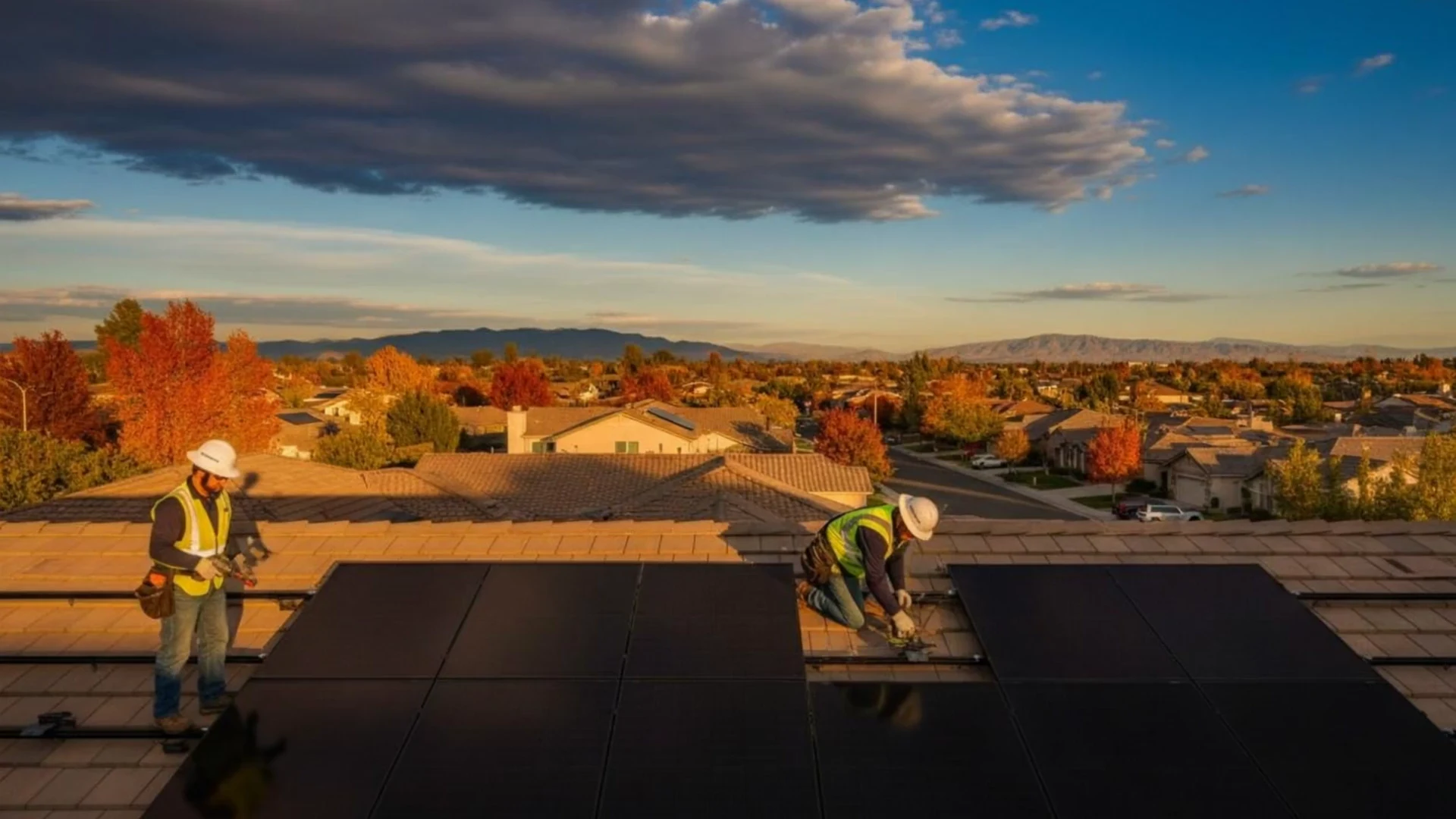
Solar Panel Removal & Reinstallation in West Palm Beach, FL
America’s #1 Choice for Energy Independence
We handle removal, storage, and reinstallation — coordinating with your roofer so your project runs smoothly from start to finish.
By submitting or calling, you consent to receive calls and SMS from The Light Group USA at the number provided, including via auto-dialer or pre-recorded messages. Consent is not required for purchase. Msg/data rates may apply. Reply STOP to opt out. See our Privacy Policy.

Protect your roof and your solar investment
Let professionals handle your solar panel removal the right way.
By submitting or calling, you consent to receive calls and SMS from The Light Group USA at the number provided, including via auto-dialer or pre-recorded messages. Consent is not required for purchase. Msg/data rates may apply. Reply STOP to opt out. See our Privacy Policy.
Panel removal and reinstall in West Palm Beach
West Palm Beach covers an unusual spread of housing for one city name. Around Clematis Street the homes are older, closer together and closer to the water. Further west the subdivisions are newer, with different roof geometry, different decking and arrays that are frequently only a few years old. A removal plan built for one of those neighborhoods does not transfer to the other, which is why the scope here starts with the roof, not the city.
That spread has a practical consequence at the permit counter. Some addresses in these ZIP codes sit inside the city limits and permit through West Palm Beach, while others are unincorporated and go through Palm Beach County. Two neighbors with similar homes can follow different processes. Removal and reinstallation is normally a permitted scope of its own, separate from the roofing permit, so the jurisdiction is confirmed by address before any date is committed.
Florida Power and Light serves the whole area and credits exported energy at the retail rate, one for one. Taking the array down does not cancel your interconnection agreement. What causes problems later is a system that returns different from its paperwork, with modules dropped, an inverter swapped or the layout rearranged and nothing recorded. When the permit, the meter and the agreement disagree, the homeowner is the one who has to sort it out.
Close to downtown, salt is part of the picture. It works on grounding lugs, clamp hardware, rail channels and connector crimps rather than the module glass, and it does its damage inside the assembly where nothing shows from the ground. A removal is the only point at which every one of those connections is accessible, so it is treated as an inspection as much as a logistics exercise, with corroded parts replaced before anything returns to a new roof.
On a West Palm Beach removal we get these right
Common questions about solar service in West Palm Beach
It depends on the specific address. West Palm Beach ZIP codes include both incorporated addresses that permit through the city and unincorporated ones that go through Palm Beach County. Removing and reinstalling an array is normally a permitted scope separate from the roofing permit, closing with its own inspection. We confirm the jurisdiction from your address before scheduling anything.
Yes, mainly through the roof structure. Older homes near downtown often have different decking, older framing spacing and sometimes low-slope sections, all of which affect where new mounts can land and how they are flashed. Newer subdivisions west of downtown tend to be more uniform. The plan is written after assessing the actual roof rather than from the neighborhood.
Yes, but with a different attachment approach. Low-slope roofing relies on membrane integrity, so mounting details, flashing and drainage clearance are all handled differently than on a pitched shingle roof. The mounting system may need to change with the new surface. This is decided before removal, since both the permit and the reinstallation scope depend on it.
It stays in force. Florida Power and Light credits exported energy at the retail rate, one for one, and a temporary removal does not cancel your agreement. The requirement is that the system returns matching its documentation. If module count, capacity or the inverter changes during reinstallation, that difference is recorded so the utility's file describes the array actually on your roof.
No, and that is deliberate. Removal and reinstallation is planned work tied to a roofing calendar, with a date before the tear-off and a second date once the new surface is complete. Scheduling it properly is what allows the array to be documented, stored correctly and reinstalled to specification. Emergency response is a different service with different tradeoffs.
Other solar work we do here
Panel Removal & Reinstallation near West Palm Beach
Crews based in Orlando and Tampa, covering 217 cities statewide.
South Florida
- Aventura
- Belle Glade
- Boca Raton
- Boynton Beach
- Coconut Creek
- Cooper City
- Coral Gables
- Coral Springs
- Cutler Bay
- Dania Beach
- Davie
- Deerfield Beach
- Delray Beach
- Doral
- Fort Lauderdale
- Greenacres
- Hallandale Beach
- Hialeah
- Hialeah Gardens
- Hollywood
- Homestead
- Jupiter
- Lake Worth Beach
- Lauderdale Lakes
- Lauderhill
- Margate
- Miami
- Miami Beach
- Miami Gardens
- Miami Lakes
- Miramar
- North Lauderdale
- North Miami
- North Miami Beach
- Oakland Park
- Opa-locka
- Palm Beach Gardens
- Palm Springs
- Palmetto Bay
- Parkland
- Pembroke Pines
- Pinecrest
- Plantation
- Pompano Beach
- Riviera Beach
- Royal Palm Beach
- Sunny Isles Beach
- Sunrise
- Sweetwater
- Tamarac
- Wellington
- West Palm Beach
- West Park
- Weston
We also cover Florida Panhandle, North Florida, Northeast Florida, Central Florida, Space Coast, Tampa Bay, Southwest Florida, Treasure Coast. See every Florida city we service.